 ultimate-guide
Commercial Maintenance Planning: Minor Repairs to Major Renovations
Table of Contents
- Understanding Commercial Maintenance Planning
- Emergency Repair vs Planned Maintenance: Strategic Differences
- Building a Commercial Preventive Maintenance Checklist
- NEC Compliance for Commercial Renovations
- Energy Efficient Lighting Upgrades for Commercial Properties
- Capital Improvement Projects and Asset Lifecycle Management
- Technology Integration and Maintenance Scheduling
- Prioritizing Repairs and Renovations: ROI and Planning
- Frequently Asked Questions
Last Updated: August 30, 2026
Understanding Commercial Maintenance Planning
Commercial maintenance planning is the strategic process of managing building systems, infrastructure, and assets to prevent failures, extend asset lifecycle, and control operational costs. It combines preventive maintenance, emergency response protocols, and capital improvement planning into a coordinated framework that keeps commercial properties safe, compliant, and efficient.
The difference between reactive maintenance (fixing things when they break) and planned maintenance (preventing breaks before they happen) determines whether a facility runs smoothly or constantly surprises you with expensive emergencies. A solid commercial maintenance planning strategy addresses everything from routine inspections to major renovations, ensuring your property stays operational while protecting your investment.
At Mister Volts, we work with commercial facility managers across Georgia to develop maintenance plans that integrate electrical systems, mechanical infrastructure, and building envelope protection. The scope ranges from minor repairs and preventive maintenance to complete renovation projects requiring integrated electrical design and safety compliance inspections.
Emergency Repair vs Planned Maintenance: Strategic Differences
Emergency repairs cost significantly more than planned maintenance because they happen on the facility's worst timeline, not yours. When a critical system fails unexpectedly, you're paying for expedited service, potential downtime, and often reactive solutions that don't address root causes.
Planned maintenance operates on your schedule. You control timing, budget allocation, and contractor selection. Preventive maintenance identifies wear patterns before failure, allowing you to batch repairs, negotiate better pricing, and avoid cascading failures that multiply costs. A facility manager who treats maintenance as a strategic expense rather than a cost center typically spends less overall while maintaining higher uptime.
The strategic difference is this: emergency response addresses symptoms. Planned maintenance addresses systems. When you schedule HVAC servicing annually, you catch refrigerant leaks before they cause compressor failure. When you conduct routine electrical inspections, you identify overloaded circuits before they create fire hazards. When you maintain your building envelope, you prevent water intrusion that would otherwise trigger structural repairs.
Emergency repairs also create liability exposure. A system that fails catastrophically often indicates deferred maintenance or inadequate inspections, both of which create liability if the failure injures someone or damages property. Documented preventive maintenance demonstrates due diligence and reduces legal exposure.
The financial case is straightforward: budget for planned maintenance or budget for emergency repairs plus downtime. Most facility managers find that investing in preventive maintenance reduces total maintenance costs by 20-30% while improving operational reliability (peer-reviewed research).
Building a Commercial Preventive Maintenance Checklist
A commercial preventive maintenance checklist translates maintenance planning from strategy into action. It identifies what needs inspection, how often, and what triggers service calls before problems escalate. The checklist becomes your operational standard, the document that ensures nothing slips through gaps between seasons or between staff transitions.
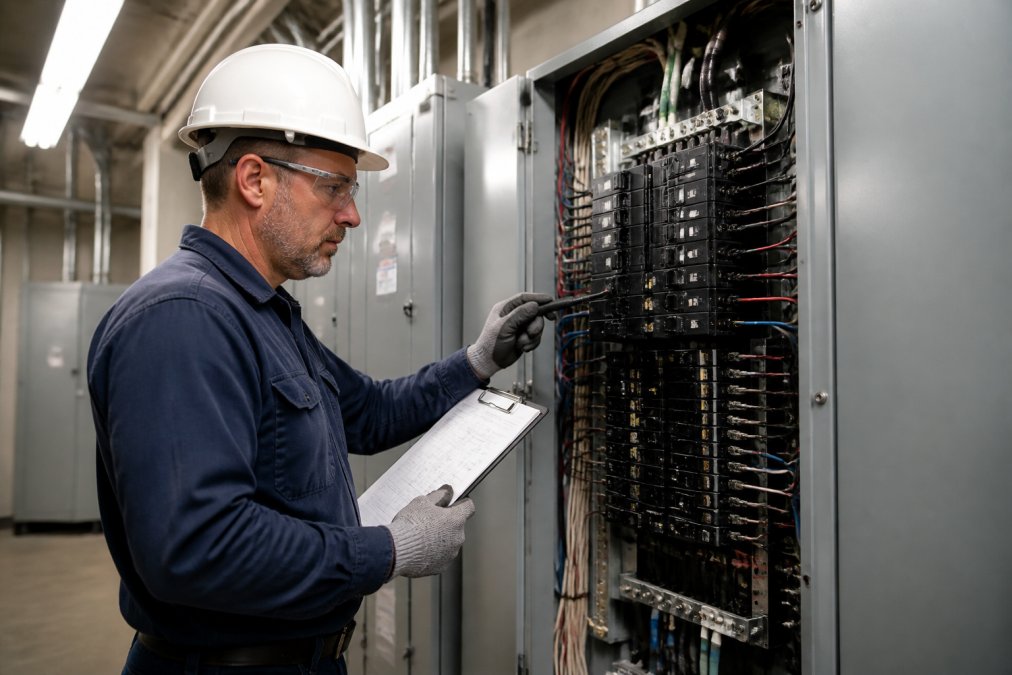
An effective preventive maintenance checklist covers three tiers: monthly, quarterly, and annual inspections. Monthly checks catch obvious issues, unusual sounds, visible wear, temperature anomalies. Quarterly inspections go deeper into system performance and efficiency. Annual inspections involve detailed assessments of major systems and often require specialist contractors.
HVAC and Mechanical Systems
HVAC servicing typically happens twice yearly, spring and fall, to prepare for high-demand seasons. Your checklist should include filter changes (monthly or quarterly depending on environment), refrigerant level checks, compressor performance assessment, and thermostat calibration. Ductwork inspection for leaks and blockages prevents efficiency loss and maintains indoor air quality. Many commercial facilities discover that 15-20% of conditioned air escapes through undetected duct leaks, a problem invisible until you inspect (energy.gov).
Document baseline performance metrics: outdoor temperature, indoor temperature, humidity levels, and run times. Comparing current readings to baseline data reveals degradation patterns. A compressor that used to cycle every 8 minutes but now cycles every 4 minutes signals declining efficiency and approaching failure.
Electrical and Plumbing Infrastructure
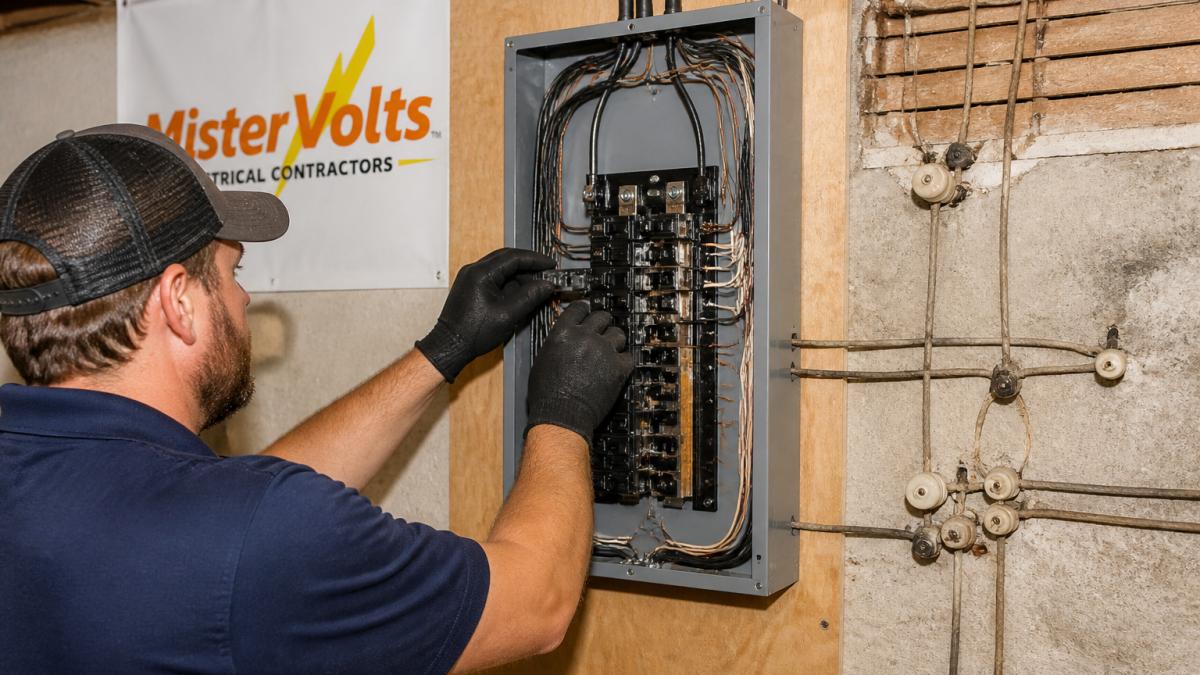
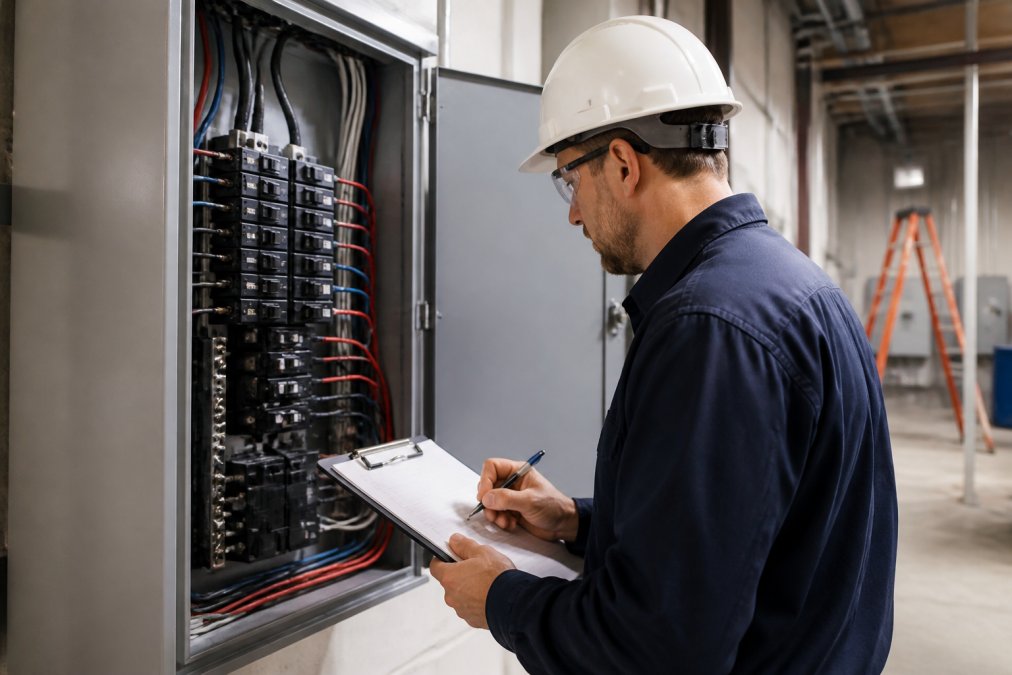
Electrical infrastructure inspection focuses on panel condition, breaker operation, circuit load distribution, and grounding integrity. Many commercial buildings experience circuit overload because loads were added over time without redistributing demand. An overloaded circuit runs hot, ages insulation faster, and creates fire hazard. A comprehensive electrical inspection identifies this before failure.
Plumbing inspection includes water pressure testing, leak detection (including hidden leaks behind walls), backflow prevention device testing, and drain line cleaning. Slow drains often indicate accumulating sediment or grease, issues that worsen until the line backs up completely. Regular drain cleaning prevents emergency service calls and property damage.
Both systems require documentation. Record inspection dates, findings, corrective actions taken, and contractor notes. This documentation becomes evidence of due diligence and helps you spot recurring issues that signal deeper problems.
Exterior Building Maintenance
The building envelope, roof, walls, windows, doors, and foundation, protects everything inside. Exterior maintenance prevents water intrusion, which is the root cause of most structural damage, mold growth, and electrical hazards. Inspect roof condition, flashing integrity, gutter function, and drainage patterns. Check wall surfaces for cracks, efflorescence, or moisture staining. Verify that windows and doors seal properly.
Seasonal inspections catch weather damage early. After heavy storms, inspect for missing shingles, debris accumulation, or water stains inside. Spring and fall inspections should verify that gutters drain properly and that vegetation doesn't obstruct roof ventilation.
NEC Compliance for Commercial Renovations
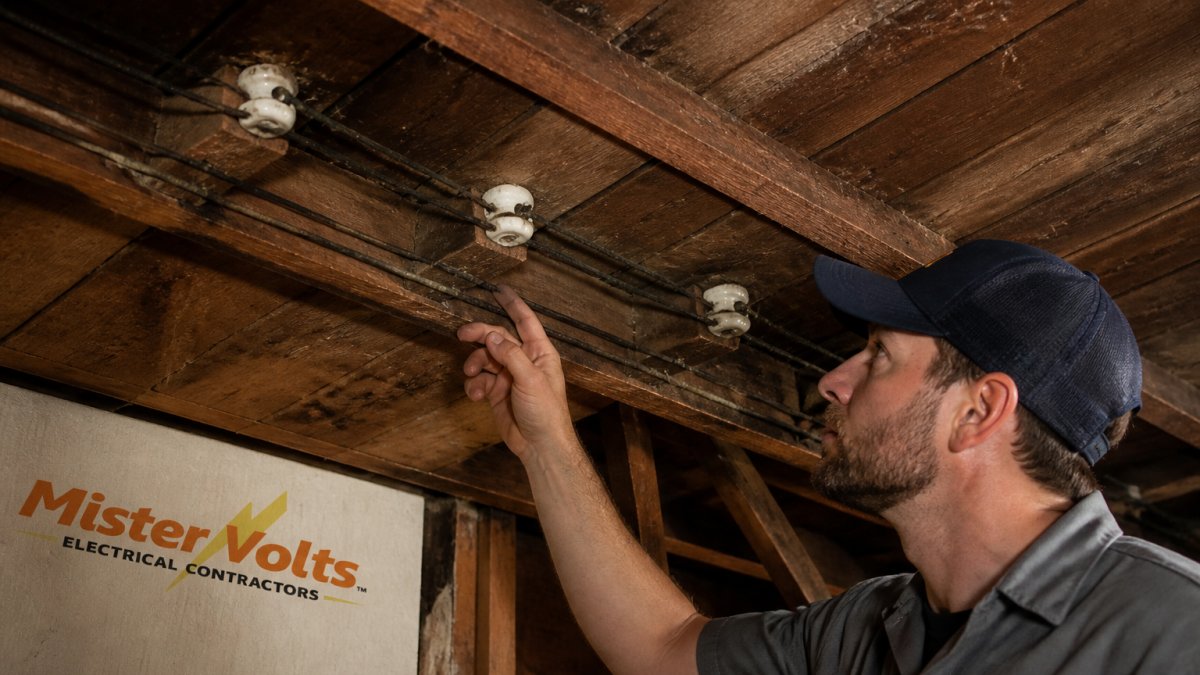
The National Electrical Code (NEC) sets minimum safety standards for electrical installation and maintenance across the United States. Commercial renovations trigger NEC compliance requirements because code standards change periodically, and older installations may not meet current standards.
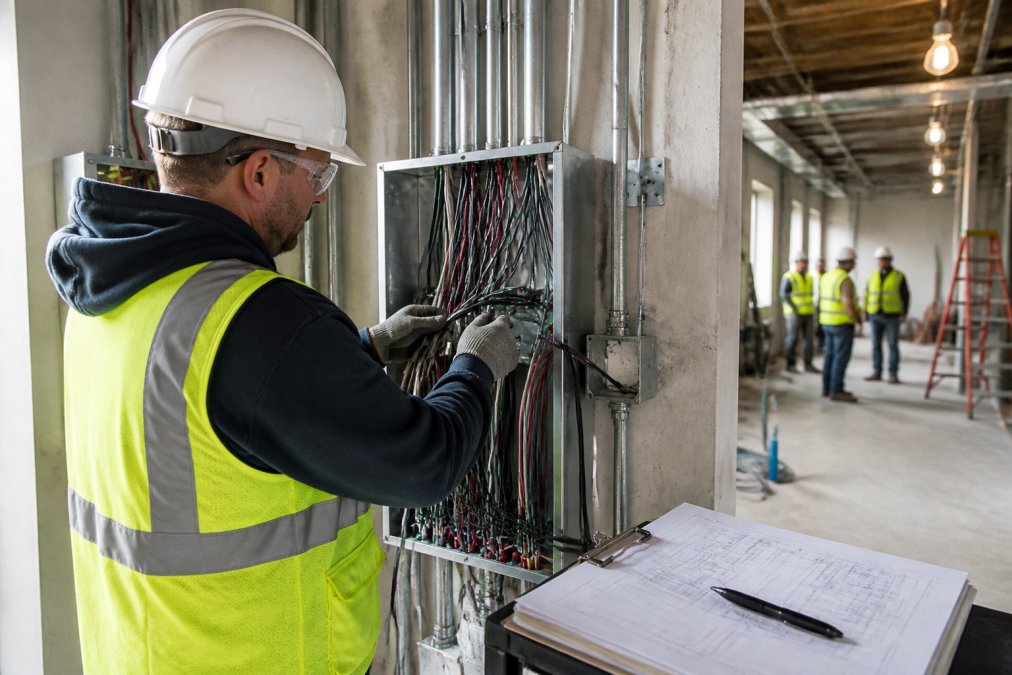
When you renovate a commercial space, adding circuits, upgrading panels, rewiring sections, or installing new equipment, the work must comply with the current NEC edition adopted by your jurisdiction. This isn't optional. Building permits require NEC compliance, inspectors verify it, and insurance may deny claims if non-compliant work caused damage or injury.
Common compliance issues in commercial renovations include undersized conductors (wiring that can't safely handle the load), inadequate grounding, improper conduit installation, and circuit protection that doesn't match load requirements. These aren't cosmetic issues, they're fire and shock hazards that create liability.
The practical implication: hire licensed electricians experienced with commercial work who understand NEC requirements. Mister Volts maintains expertise in NEC-compliant installations and designs electrical systems for commercial renovations that pass inspection and operate safely. Cutting corners on electrical compliance during renovation creates liability that outlasts the project.
Energy Efficient Lighting Upgrades for Commercial Properties
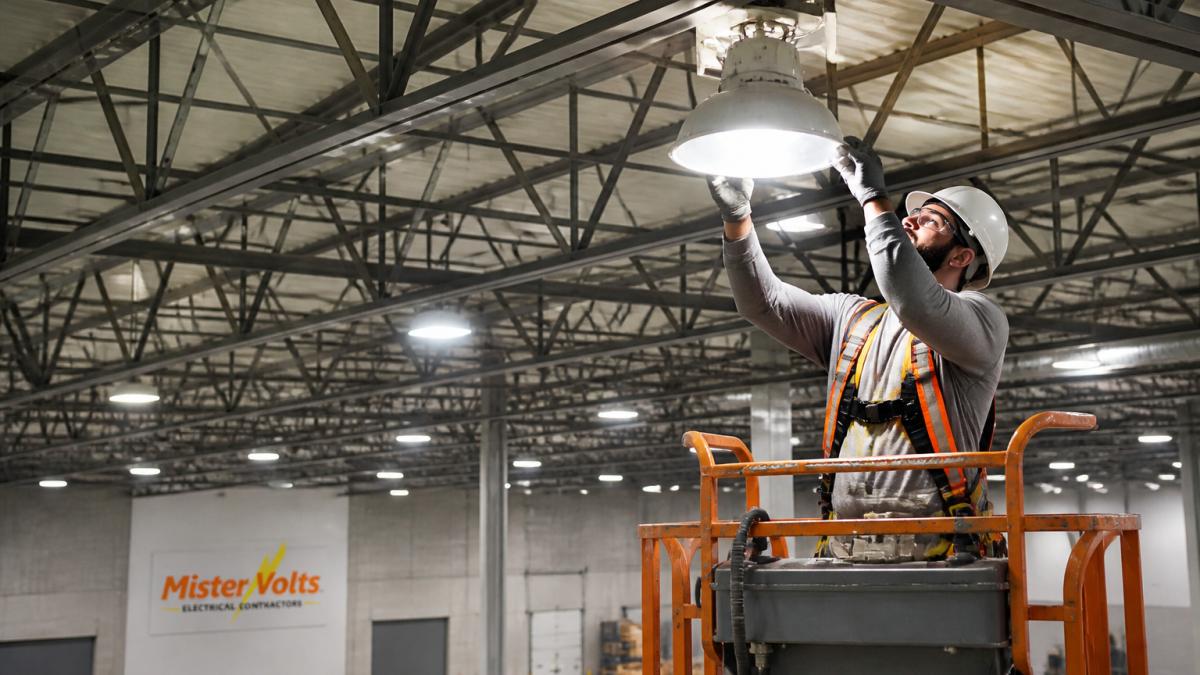
Commercial lighting typically consumes 20-30% of facility electricity (energy.gov). Upgrading to energy-efficient lighting reduces consumption without sacrificing illumination quality. LED technology has matured to the point where it outperforms older fluorescent and incandescent systems on every metric: lifespan, light quality, efficiency, and total cost of ownership.
A typical commercial lighting upgrade involves replacing fluorescent fixtures with LED equivalents, upgrading incandescent exit signs to LED, and installing occupancy sensors in spaces with variable occupancy (conference rooms, storage areas, restrooms). Occupancy sensors eliminate the waste of lighting empty spaces, a single sensor can reduce lighting energy in a conference room by 40-50% because spaces sit empty for significant portions of the day.
Beyond simple replacement, energy-efficient lighting upgrades often include lighting design improvements: task lighting instead of uniform overhead illumination, daylight harvesting (dimming artificial light when natural light is sufficient), and color temperature selection that improves visual comfort and alertness.
The economics are compelling. LED fixtures cost more upfront but consume 75% less energy than fluorescent equivalents and last 3-5 times longer. A facility that upgrades 100 fluorescent fixtures to LEDs typically recovers the investment within 3-5 years through energy savings, then enjoys reduced maintenance costs (fewer bulb replacements, fewer ballast failures) for the remaining fixture lifespan.
Capital Improvement Projects and Asset Lifecycle Management
Capital improvement projects are significant investments in building systems, infrastructure, or renovations that extend asset life or add functionality. Unlike maintenance (which keeps existing systems running), capital improvements upgrade or replace aging systems with newer technology or expanded capacity.
Asset lifecycle management recognizes that every building system has a finite life. HVAC systems typically last 15-20 years. Roofs last 20-30 years. Electrical panels last 25-40 years depending on usage and environment. Planning capital improvements around these lifecycles prevents unexpected failure and allows you to budget strategically.
A 20-year-old HVAC system isn't "broken" yet, but it's approaching the end of its economical life. Repair costs climb as components wear. Efficiency declines. At some point, replacing the system becomes cheaper than continuing repairs. Knowing that replacement is coming in 2-3 years allows you to plan the capital expenditure, request budget approval, and schedule installation when it doesn't disrupt operations.
The same logic applies to electrical infrastructure. An aging electrical panel that still functions may be approaching capacity or showing signs of wear (corrosion, loose connections, outdated breaker types). Planning a panel upgrade before failure allows you to coordinate the project with other renovations and avoid emergency service calls.
Technology Integration and Maintenance Scheduling
Maintenance management software transforms maintenance planning from spreadsheets and memory into systematic, documented processes. These platforms track maintenance history, schedule recurring tasks, generate work orders, and create compliance documentation.
A maintenance scheduling system allows you to set preventive maintenance tasks (HVAC filter changes, electrical inspections, plumbing tests) and receive automated reminders when they're due. The system tracks completion, stores documentation, and generates reports showing maintenance compliance and costs by category.
For commercial properties with multiple buildings or complex systems, scheduling software prevents tasks from being overlooked. Without systematic tracking, seasonal maintenance gets skipped during busy periods, creating gaps that lead to failures.
Integration with facility management systems connects maintenance data to work order management, contractor communication, and budget tracking. When a preventive inspection identifies a needed repair, the system can automatically generate a work order, request quotes from approved contractors, and track completion and cost.
Technology also enables predictive maintenance, using data from sensors or monitoring systems to predict when equipment will fail. An HVAC compressor that's running hotter than baseline or cycling more frequently is approaching failure. Temperature sensors and pressure gauges provide early warning, allowing you to schedule replacement before catastrophic failure.
Prioritizing Repairs and Renovations: ROI and Planning
Not every repair or renovation happens immediately. Facility budgets are finite, so you must prioritize based on urgency, cost, and impact. A framework for prioritization prevents you from funding low-impact projects while deferring critical ones.
The first priority tier is safety and compliance. Electrical hazards, fire code violations, structural damage, and accessibility issues must be addressed immediately because they create liability and legal exposure. If an electrical inspection identifies a fire hazard, that repair happens before cosmetic renovations.
The second tier is operational necessity. Systems that are failing or severely degraded affect facility function and staff productivity. An HVAC system that can't maintain comfortable temperature during summer affects work environment and may violate workplace standards. A plumbing system with chronic leaks wastes water and creates mold risk. These get addressed before enhancements.
The third tier is efficiency and cost reduction. Energy-efficient lighting upgrades, insulation improvements, and system optimization reduce operating costs but aren't urgent. These projects have strong ROI but can be scheduled around budget cycles and operational needs.
The fourth tier is enhancement and modernization. Renovations that improve aesthetics, update technology, or add functionality enhance the facility but don't address urgent needs. These are scheduled when budget allows and when they don't disrupt operations.
Within each tier, ROI analysis helps prioritize. Calculate the cost of a project against the benefit: energy savings, reduced maintenance costs, increased asset lifespan, or improved productivity. A lighting upgrade that costs $50,000 and saves $10,000 annually in energy costs has a 5-year payback, reasonable for a project with a 20+ year fixture lifespan. A renovation that costs $100,000 and has no measurable return gets lower priority unless it addresses safety or compliance.
Commercial maintenance planning works when you treat it as a strategic investment rather than a cost to minimize. The facilities that operate most reliably and cost-effectively are those where management plans maintenance systematically, conducts regular inspections, and addresses issues before they escalate.
Mister Volts helps commercial facility managers across Georgia develop electrical maintenance plans that fit within broader facility management strategies. From routine inspections and preventive maintenance to complex renovation projects requiring integrated electrical design, our licensed electricians deliver code-compliant work that keeps your systems operating safely and efficiently. Contact Mister Volts for a facility assessment and maintenance planning consultation tailored to your commercial property's specific needs.
Frequently Asked Questions
What should be included in a commercial building maintenance checklist?
A comprehensive commercial building maintenance checklist covers HVAC servicing, electrical system inspections, plumbing checks, fire safety systems, structural assessments, and exterior building maintenance. Include routine inspections at scheduled intervals, emergency repair protocols, and documentation of all maintenance activities. Regular facility maintenance plans should address preventive maintenance tasks, compliance standards, and building code requirements. Track service level agreements with contractors and maintain records for liability protection and asset lifecycle management.
How often should commercial electrical systems be inspected?
Commercial electrical infrastructure should be inspected annually at minimum, with more frequent checks for high-demand facilities. The National Electrical Code (NEC) requires compliance inspections during renovations and after significant electrical work. Preventive maintenance scheduling should include quarterly visual inspections of panels, wiring, and equipment, plus comprehensive testing every 3-5 years. Emergency response protocols should be in place for any signs of deterioration, overheating, or code violations to ensure operational efficiency and safety.
What is the difference between emergency repair and planned maintenance in commercial buildings?
Emergency repair responds to unexpected failures that disrupt operations, while planned maintenance prevents those failures through routine inspections and timely service. Reactive maintenance is costly, it causes downtime, damages other systems, and often requires premium pricing for urgent work. Preventive maintenance scheduling reduces costs compared to emergency-only approaches and extends asset lifecycle. Strategic commercial maintenance planning balances both: establish preventive maintenance routines to minimize emergencies, but maintain emergency response capabilities for unavoidable failures.
How do I create a comprehensive commercial maintenance plan?
Start with a facility management assessment of all building systems: HVAC, electrical, plumbing, structural, and fire safety. Document each system's age, condition, and maintenance history. Establish a preventive maintenance schedule with monthly, quarterly, and annual tasks. Define capital improvement projects based on asset lifecycle, older systems need replacement planning. Set service level agreements with contractors, assign responsibility for routine inspections, and track compliance standards. Use maintenance scheduling technology to automate reminders and document all work. Review and adjust annually based on operational efficiency and cost-benefit analysis.
What is the ROI of preventive maintenance versus waiting for major repairs?
Preventive maintenance typically costs less than reactive repair over a facility's lifetime. By scheduling routine inspections and timely servicing, you extend asset lifecycle, reduce emergency downtime, and avoid cascade failures that damage multiple building systems. Capital improvement planning allows you to budget predictably and spread costs over time. Energy efficient upgrades during planned maintenance also reduce operational costs. Facilities with strong preventive maintenance programs report fewer compliance violations, lower liability risk, and better property valuations.
How do I prioritize major renovations versus minor repairs in my maintenance budget?
Evaluate each project by urgency (safety/compliance first), impact on operations, and cost-benefit analysis. Emergency repairs that affect safety or code compliance take priority. Next, prioritize capital improvement projects that extend asset lifecycle or reduce energy costs. Then address deferred maintenance that could worsen over time. Use a facility maintenance plan matrix: rate each project on impact, cost, and timeline. Combine multiple minor repairs into single contractor visits to reduce labor costs. Schedule capital expenditure projects during low-demand periods to minimize operational disruption and negotiate volume pricing.
What are the main types of commercial maintenance work?
Commercial maintenance spans four primary categories: preventive maintenance (routine inspections and servicing), predictive maintenance (monitoring systems for early failure signs), corrective maintenance (fixing identified problems), and capital improvement projects (major upgrades or replacements). Within these, facility management covers HVAC servicing, electrical infrastructure, plumbing systems, structural repairs, fire safety compliance, exterior building maintenance, and energy efficiency upgrades. Each type requires different scheduling, contractor expertise, and budget planning. A comprehensive maintenance strategy uses all four types to balance cost, safety, and operational efficiency.