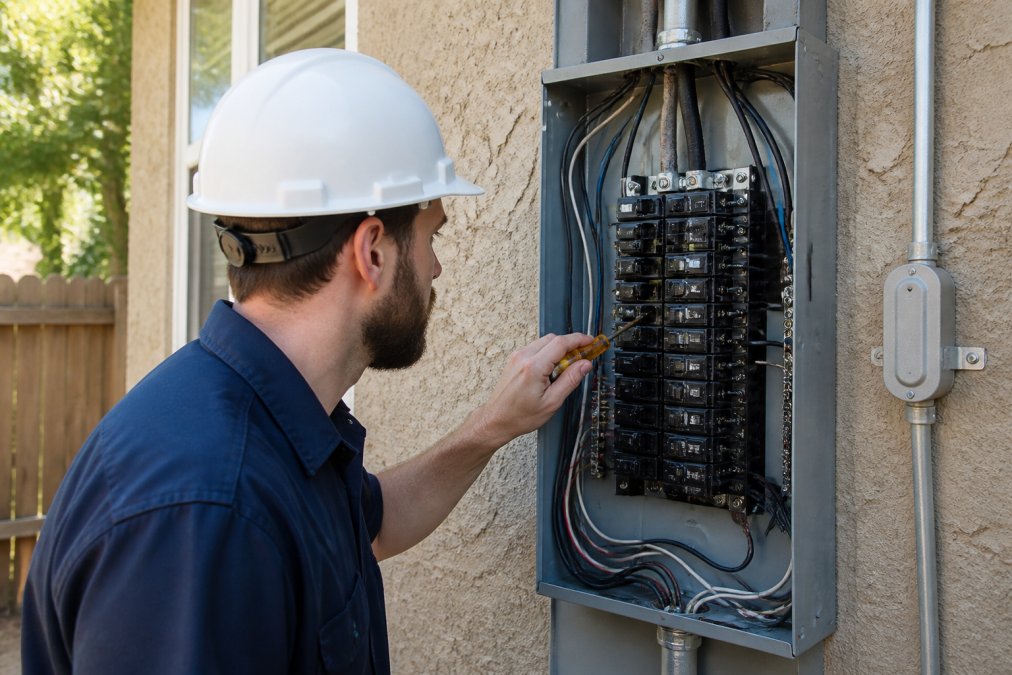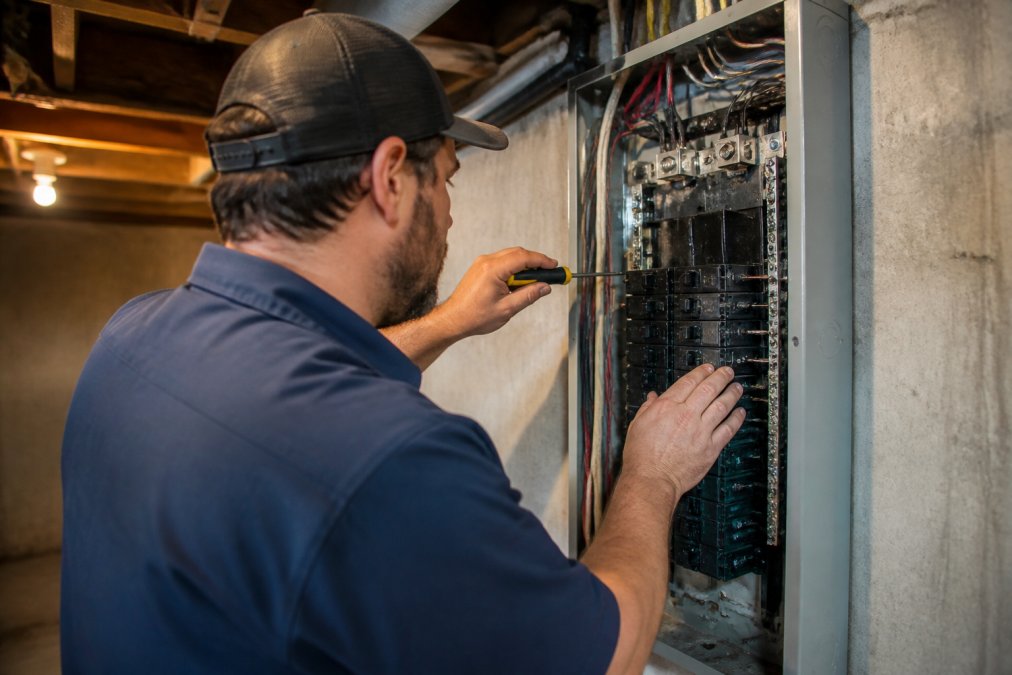
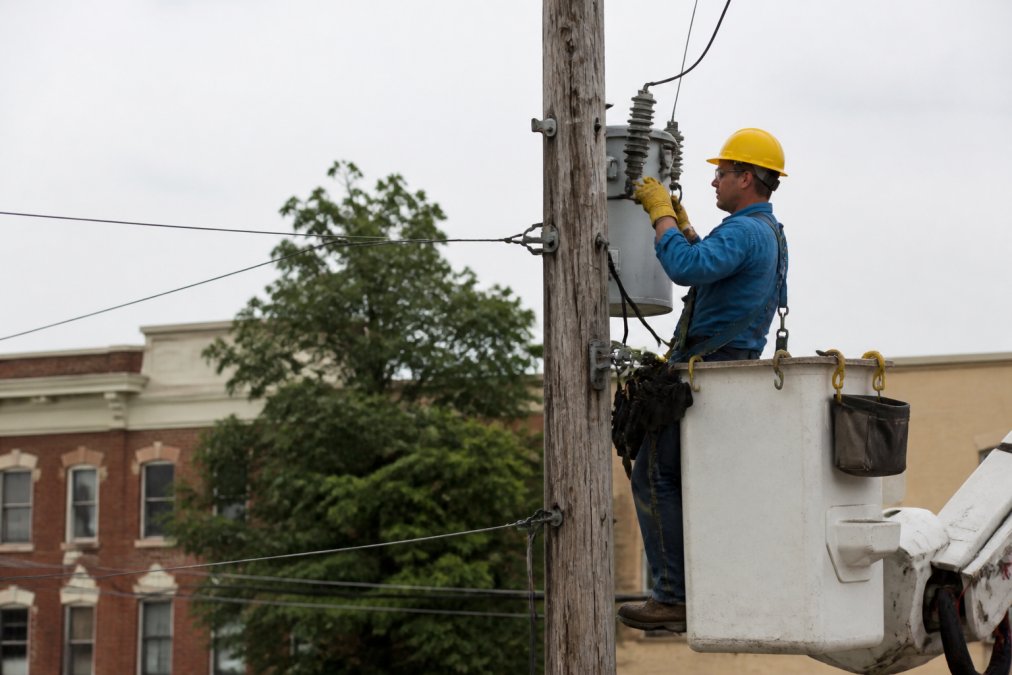
 comparison
Electric Companies Macon GA: A 2026 Guide
Table of Contents
- Utility Providers vs. Electrical Contractors: What Electric Companies Macon Residents Actually Need
- Residential Electrical Repair Costs: What Drives the Price
- Electrical Service Panel Upgrade: When You Need One and What's Involved
- Commercial Electrical Services: Code Compliance Without Downtime
- How to Choose an Electrical Contractor You Can Actually Trust
- Full-Service Electrical Work: From EV Charger Installation to Whole-Home Surge Protection
- Energy Efficiency Audit Checklist Before Your Next Service Call
- Frequently Asked Questions
Last Updated: August 26, 2026
Most searches for "electric companies macon ga" end in frustration because people land on utility contact pages when what they actually need is a licensed electrician. At Mister Volts, we see this confusion every week: a homeowner calls Georgia Power to report a tripped breaker, only to be told that's not their problem. Understanding who does what is the single most useful thing this guide can give you before you pick up the phone.
Below, we cover the full picture: the difference between utility providers and electrical contractors, what drives residential repair costs, when a panel upgrade is non-negotiable, how commercial clients can stay code-compliant without operational downtime, and a practical checklist to run before your next service call.
Utility Providers vs. Electrical Contractors: What Electric Companies Macon Residents Actually Need
The distinction between a utility provider and a licensed electrical contractor is one of the most misunderstood points in residential and commercial electrical service. Getting it wrong costs time and money.
What a Utility Provider Does (and Doesn't Do)
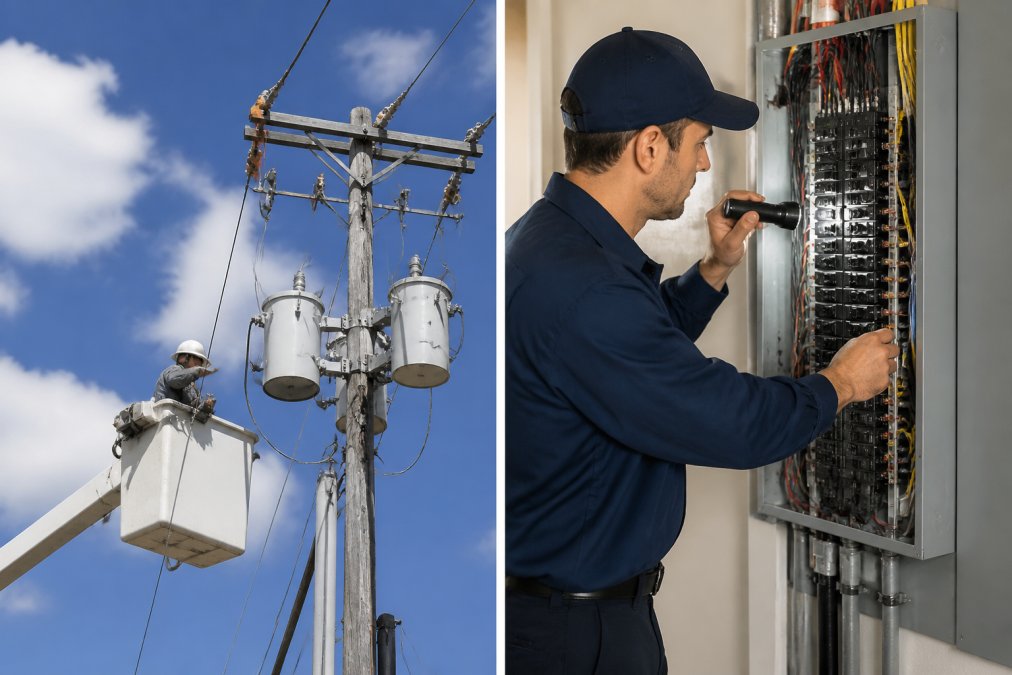
A utility provider owns and maintains the power grid infrastructure that delivers electricity to your property. Their responsibility ends at the meter. They handle outages on the distribution network, replace faulty meters, and restore power after storm damage to transmission lines. They do not touch your internal wiring, electrical panel, circuit breakers, or any outlet or fixture inside your home or building.
When power goes out across your neighborhood, that's a utility call. When one circuit in your kitchen keeps tripping, that's a contractor call. The line is the meter itself. Everything on the utility side belongs to the power company. Everything on your side belongs to you and the licensed electrician you hire.
According to the U.S. Energy Information Administration's residential electricity overview, the average American household's electrical load has grown steadily over the past decade as EV chargers, home offices, and high-draw appliances become standard. That increased load is exactly why the contractor side of this equation matters more than ever.
What a Licensed Electrical Contractor Handles
A licensed electrical contractor handles everything from the service entrance on your side of the meter inward: panel upgrades and replacements, new circuit installation, wiring for additions and renovations, EV charger installation, lighting fixtures, surge protection devices, grounding systems, and troubleshooting faults anywhere in your building's electrical infrastructure.
Licensing is critical. In Georgia, electrical contractors must hold a valid state license and carry liability insurance. Work performed without a license may not pass inspection and can void your homeowner's insurance in the event of a fire or damage claim.
Residential Electrical Repair Costs: What Drives the Price
Residential electrical repair costs vary significantly based on the nature and complexity of the work. Any contractor who quotes a flat fee before seeing the job should give you pause.
Factors That Affect Your Final Quote
Several variables determine your final invoice:
- Scope of work: Replacing a single outlet takes less labor than running new circuits through finished walls to a home addition.
- Panel capacity: If your existing panel is at capacity or undersized, additional work may require a panel upgrade before new circuits can be added.
- Code compliance requirements: Older homes often require remediation of outdated wiring or grounding issues before new work can be permitted.
- Permit fees: Most structural electrical work requires a permit, and costs vary by jurisdiction and project type.
- Access and conditions: Crawl spaces, finished ceilings, and older construction with non-standard framing increase labor time.
- Emergency vs. scheduled service: After-hours and emergency service calls typically carry a premium over standard appointments.
Getting multiple quotes is reasonable, but compare them on scope, not just price. A quote that excludes permitting or code remediation will look cheaper on paper and cost more in total.
| Factor | Impact on Cost | What to Ask Your Contractor |
|---|---|---|
| Scope of work | High | What's included in the base quote? |
| Panel capacity | High if upgrade needed | Does my current panel support this work? |
| Permitting | Moderate | Is permit cost included in your quote? |
| Access difficulty | Moderate to High | Have you seen the work area? |
| Emergency timing | High | What's the after-hours rate? |
| Code remediation | Variable | What code issues need addressing first? |
Electrical Service Panel Upgrade: When You Need One and What's Involved
An electrical service panel upgrade is necessary when your existing panel can no longer safely handle your home's electrical load. This is a safety and capacity issue that affects every circuit in the building.
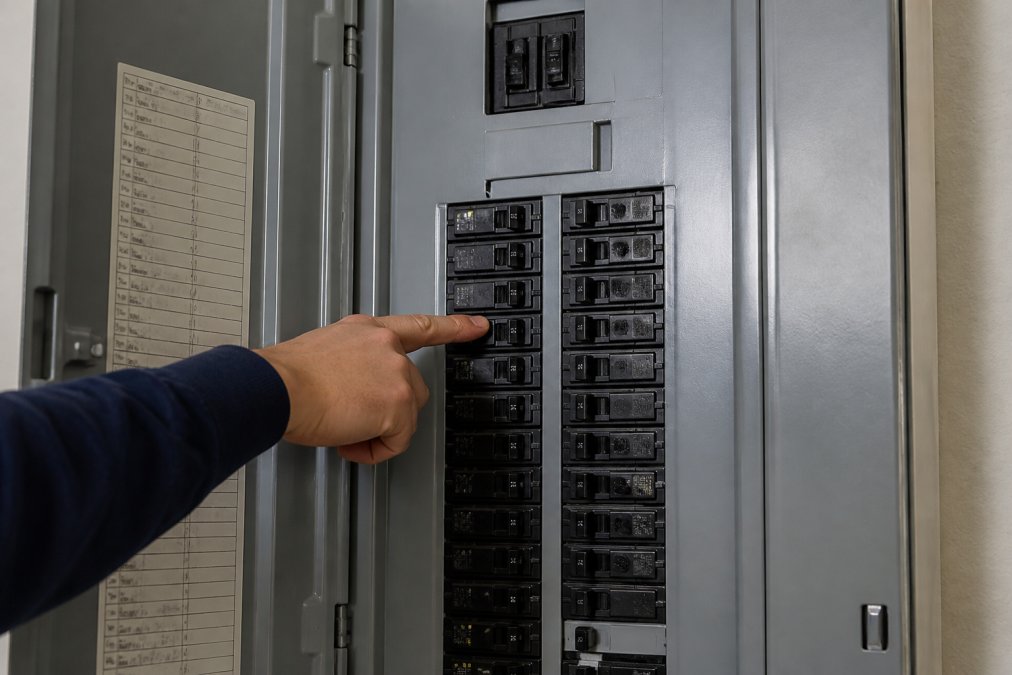
Signs that an upgrade is overdue include breakers that trip repeatedly under normal load, a panel using fuses instead of breakers, flickering lights when large appliances run, or a panel rated at 100 amps in a home now running an EV charger, central HVAC, and multiple high-draw appliances simultaneously. Many homes built before the 1990s were wired for loads that bear no resemblance to current usage patterns.
The National Electrical Code (NEC) published by the National Fire Protection Association sets the baseline standards for panel installations and upgrades. Any upgrade must comply with the current edition of the NEC as adopted by Georgia, and the work must be permitted and inspected. An unpermitted panel upgrade is a liability problem at resale or insurance claim time.
Panel upgrades involve disconnecting service at the meter, removing the old panel, installing a new panel with adequate amperage capacity (commonly 200-amp service for modern residential use), and reconnecting all circuits. The utility provider coordinates the temporary disconnection and reconnection at the meter. The licensed electrician handles everything else.
Commercial Electrical Services: Code Compliance Without Downtime
Commercial electrical work operates under stricter requirements than residential, and the stakes for non-compliance are higher. A failed inspection delays a certificate of occupancy. An electrical fault during business hours creates liability exposure and operational disruption.
The core challenge for commercial facility managers is scheduling work around operations. A full rewire of an occupied office building requires phased planning: circuits isolated and completed in sequence so the majority of the space stays functional throughout the project.
Code compliance in commercial settings means meeting both the NEC and any applicable local amendments, plus OSHA requirements for worker safety during installation. For facilities handling food, healthcare, or hazardous materials, additional standards apply to power distribution, grounding, and emergency circuits.
Common commercial electrical services include new tenant build-outs, lighting installation and design, service upgrades to support increased load, emergency power systems, and preventative maintenance contracts. Preventative maintenance identifies deteriorating connections, overloaded circuits, and aging components before they cause outages or safety incidents. For commercial properties, that inspection record also matters for insurance purposes.
How to Choose an Electrical Contractor You Can Actually Trust
The biggest mistake people make when hiring an electrical contractor is treating it like hiring any other service trade. Electrical work has legal, safety, and insurance implications that make credential verification non-negotiable.
Licensing, Insurance, and NEC Compliance
A legitimate electrical contractor carries a valid Georgia state electrical contractor license and general liability insurance at a minimum. Workers' compensation coverage is also required for any contractor with employees. Ask for proof of both before work begins. A contractor who hesitates to provide license numbers and insurance certificates is telling you something important.
NEC compliance is not optional. Work that doesn't meet NEC requirements will fail inspection and may need to be redone at your expense. Verify that your contractor works to current code.
Permitting Requirements and What They Mean for Your Project
Most electrical work beyond simple device replacement requires a permit. Panel upgrades, new circuits, service upgrades, EV charger installation, and any work on a commercial property almost always require permitting through the local authority having jurisdiction.
Permits exist for your protection. They require that work be inspected by a third party before it's closed up in walls or energized under load. A contractor who suggests skipping the permit to save time or money is exposing you to risk: unpermitted work creates problems at resale, can void insurance coverage, and leaves you with no recourse if the work is defective.
According to the Georgia Secretary of State's licensing verification portal, contractor license status can be verified online before you sign any contract.
Full-Service Electrical Work: From EV Charger Installation to Whole-Home Surge Protection
The range of work a full-service electrical contractor handles extends well beyond repairs. Two areas that have seen significant growth in residential demand are EV charger installation and whole-home surge protection.
EV charger installation requires a dedicated 240-volt circuit, proper amperage sizing for the charger, and in most cases a permit. Level 2 chargers typically require a 40- to 50-amp circuit. If your panel doesn't have the capacity, the charger installation and a panel upgrade become a single project.
Whole-home surge protection is equally important. A surge protection device installed at the main panel protects every circuit and connected device in the building from voltage spikes caused by lightning strikes, utility switching events, or large motor loads cycling on and off. Individual power strips provide limited, localized protection. A panel-level surge protection device covers the entire electrical infrastructure.
Other full-service work includes custom lighting installation and design, grounding system upgrades, generator connection and transfer switch installation, and complete wiring for new construction or major additions. All require licensed electricians working to current NEC standards with proper permitting.
Energy Efficiency Audit Checklist Before Your Next Service Call
Running through this checklist before scheduling a service call helps you communicate the full scope of what you need and may surface issues you didn't know existed.
Lighting and Fixtures
- Identify any fixtures running incandescent or older fluorescent bulbs that could be converted to LED
- Note any exterior lighting on manual switches that could benefit from timers or motion sensors
- Check for flickering or dimming in specific rooms that may indicate a wiring or connection issue
Panel and Circuit Assessment
- Count the number of available breaker slots in your current panel
- Note any breakers that trip more than once per month
- Identify circuits that run multiple high-draw appliances on a single breaker
Outlets and Wiring
- Check for outlets that feel warm to the touch or show discoloration
- Identify any two-prong outlets in areas where grounded three-prong outlets are needed
- Note any areas with no outlets where you consistently use extension cords
High-Draw Additions
- Determine whether an EV charger is planned within the next two years
- Assess whether HVAC equipment upgrades are planned that would increase electrical load
- Identify any home office or workshop areas where dedicated circuits would improve reliability
Safety and Compliance
- Verify GFCI protection is present in all wet areas (kitchens, bathrooms, exterior outlets)
- Confirm AFCI breakers are installed in bedroom circuits if your panel was upgraded recently
- Check that your panel has a whole-home surge protection device installed
This checklist gives a licensed electrician the context to provide an accurate quote and identify any code compliance gaps before work begins. It also prevents the situation where a simple repair call turns into a surprise remediation project because nobody flagged the underlying issues upfront.
For a broader perspective on residential energy efficiency standards, the U.S. Department of Energy's home energy efficiency resources provides guidance on where electrical upgrades intersect with overall energy performance.
Finding reliable electric companies in the Macon area comes down to one question: do you need the utility or a licensed contractor? For anything on your side of the meter, you need a contractor with the credentials, insurance, and code knowledge to do the work right the first time. Mister Volts serves residential, commercial, and industrial clients throughout the area with licensed electricians, NEC-compliant installations, and competitive quotes on everything from a single circuit repair to a full service panel upgrade. Get started with Mister Volts and get a clear, itemized quote before any work begins.
Frequently Asked Questions
What is the difference between an electric utility company and an electrical contractor?
A utility provider owns and maintains the power grid infrastructure, the lines, transformers, and meters that deliver electricity to your property. They handle outages on their side of the meter. A licensed electrical contractor like Mister Volts works on everything inside your property: wiring, circuit breakers, panels, lighting, and EV charging stations. If your power is out at the street, call your utility. If it's a problem inside your home or business, call a licensed electrician.
Is Georgia Power the only electricity provider available in this area?
Georgia Power serves a large portion of the state, but it is not the only option. Some areas are served by electric membership corporations (EMCs) or municipal utilities depending on your specific address. However, none of these utility providers handle wiring, panel upgrades, or electrical repairs inside your property. For those services, you need a licensed electrical contractor who operates independently of the utility company.
How do I find a licensed and insured electrician for home repairs?
Verify that any electrician you hire holds a current Georgia state license and carries both general liability and workers' compensation insurance. Ask for the license number and confirm it through the Georgia Secretary of State's licensing portal. A reputable contractor will also pull the required permits for your project and schedule inspections to confirm NEC compliance. Mister Volts is licensed and insured, serving residential and commercial clients throughout the Macon and Perry area.
What should I look for when hiring a commercial electrical contractor?
Commercial electrical work involves higher voltage systems, larger electrical loads, and stricter code compliance requirements than most residential jobs. Look for a contractor with documented commercial experience, familiarity with NEC commercial standards, and a process for minimizing operational downtime during installation or repairs. Ask specifically whether they handle permitting and inspections in-house. A contractor who manages the full compliance process reduces your risk of failed inspections or costly rework.
How can I verify that an electrical company is code-compliant?
Ask the contractor directly whether they pull permits for the work and whether a licensed inspector will sign off on the completed job. NEC-compliant installations require permits for most panel upgrades, new circuits, and major wiring projects. If a contractor offers to skip the permit process to save time or money, that is a red flag. Permitted work protects you legally, keeps your homeowner's insurance valid, and confirms the installation meets current safety standards.