 comparison
SPE Electrical Services: What to Expect
Table of Contents
- What Electrical Services Cover
- Residential Electrical Services
- Commercial Electrical Contracting
- Panel Upgrades and Replacements
- Electrical Panel Upgrade Cost and Planning
- Safety Inspections and Code Compliance
- Finding Licensed Electricians in Your Area
- Conclusion
- Frequently Asked Questions
Last Updated: August 31, 2026
What Electrical Services Cover
Electrical services encompass a broad range of work that keeps homes and businesses safe, functional, and compliant with code. When you hire a licensed electrician, you're accessing expertise in everything from routine maintenance to complex system design. The scope typically includes installation, repair, inspection, and upgrade work across residential, commercial, and industrial properties.
At Mister Volts, we understand that electrical work isn't one-size-fits-all. A homeowner replacing kitchen outlets has different needs than a business owner upgrading their entire service panel. Yet all of this work shares a common foundation: safety, precision, and adherence to the National Electrical Code (NEC).
Electrical services generally break down into several categories. Routine maintenance includes inspections, testing, and preventative work designed to catch problems before they become dangerous. Installation work covers everything from new wiring during renovations to adding dedicated circuits for high-demand appliances. Repair services address failures, code violations, and safety hazards. Upgrade work handles panel replacements, capacity increases, and modernization projects that improve efficiency and reliability.
The complexity of electrical work means that not every electrician handles every type of job equally well. Some specialize in residential work, others in commercial systems. Some excel at troubleshooting and emergency repairs, while others focus on large-scale installations. Understanding what services you actually need, and what qualifications matter, helps you find the right contractor for your specific project.
Residential Electrical Services
Residential electrical services address the unique demands of homes, where safety, convenience, and energy efficiency matter equally. This category includes everything from simple outlet repairs to complete rewiring of older properties. Most homeowners encounter residential electrical needs at predictable moments: kitchen renovations, bathroom upgrades, adding home office circuits, or addressing aging wiring in older homes.
Common residential projects include outlet and switch installation, ceiling fan and fixture mounting, lighting design and installation, and circuit upgrades. When you need a dedicated 240-volt circuit for an electric range or hot tub, that's residential electrical work. When an older home's wiring can't handle modern appliance loads, a licensed electrician assesses the system and recommends upgrades. Emergency repairs, a tripped breaker that won't reset, outlets that stop working, flickering lights, all fall under residential services.
The key difference between DIY attempts and professional residential electrical services is understanding load calculations, proper grounding and bonding, and code compliance. A homeowner might successfully install a ceiling fan, but determining whether the existing circuit can handle the load requires knowledge most people don't have. An electrician evaluates amperage, voltage drop, and circuit capacity before recommending a solution.
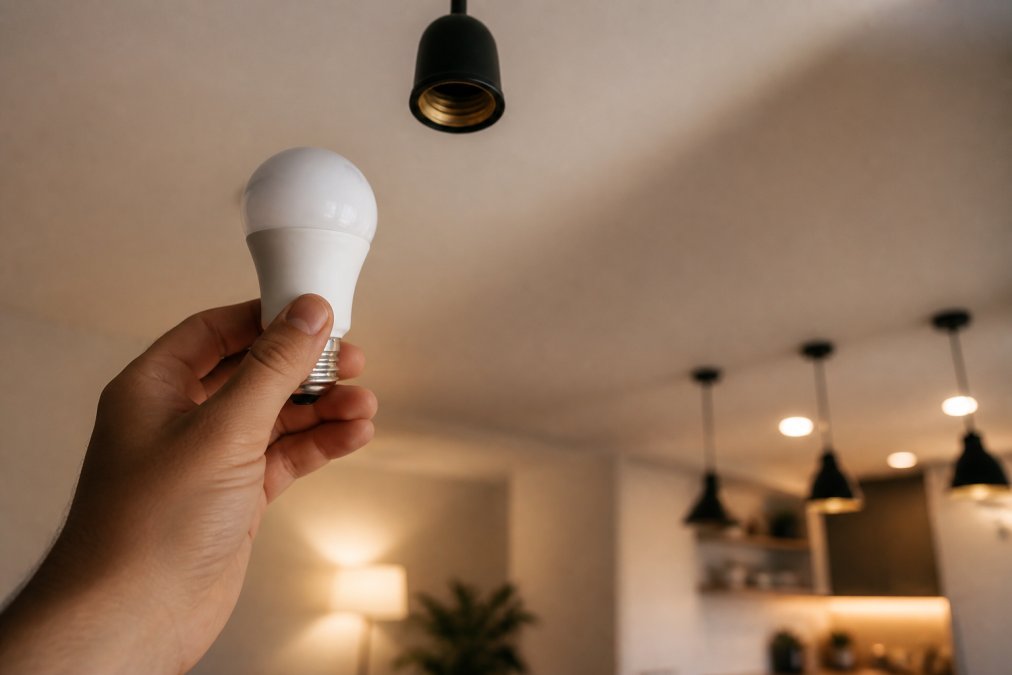
Residential electrical services also include energy efficiency audits, where a licensed electrician reviews your home's electrical system, identifies inefficiencies, and recommends upgrades. LED lighting retrofits, smart home wiring for automation systems, and surge protection installation all improve both safety and efficiency. These services protect your investment while reducing long-term energy costs.
Commercial Electrical Contracting
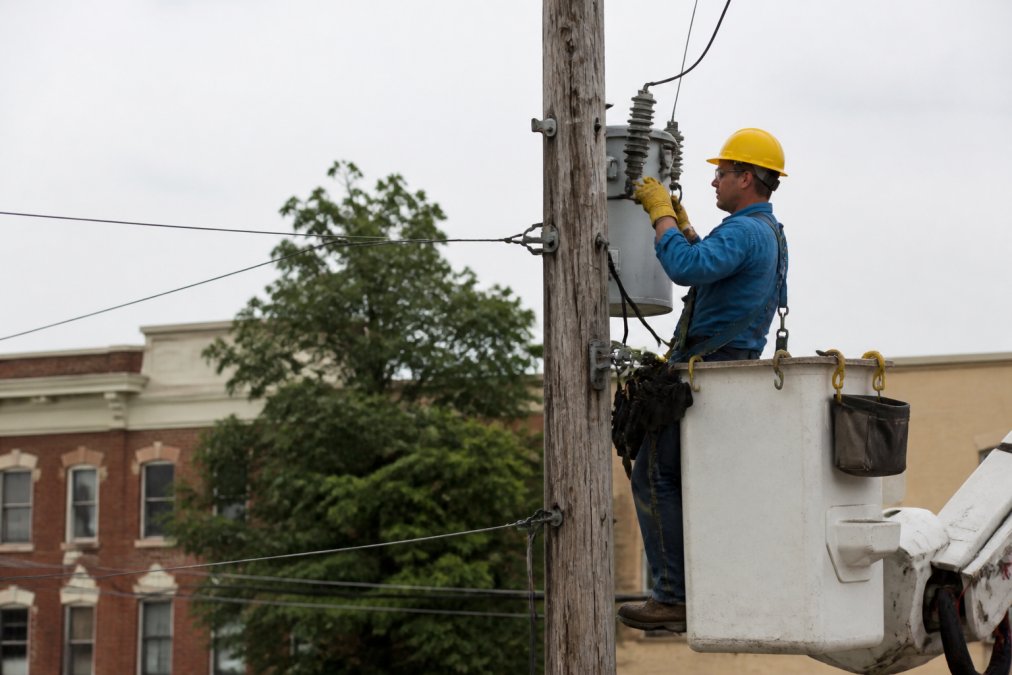
Commercial electrical contracting operates under stricter requirements than residential work. Businesses depend on reliable power distribution, and downtime costs money. Commercial electrical services must handle higher voltages, larger loads, and more complex systems than typical residential installations. A small office building might require three-phase power distribution, emergency backup systems, and integrated controls that far exceed home electrical needs.
Commercial projects include wiring for new construction, tenant buildouts, equipment installation, and system upgrades. When a business expands, the electrical system must expand with it. Adding new workstations, installing server rooms, or upgrading HVAC systems all require commercial electrical expertise. A licensed electrician working on commercial projects understands load calculations for entire buildings, coordinates with other trades during construction, and ensures systems meet code compliance for commercial applications.
Emergency repairs in commercial settings carry higher stakes. A power outage in a retail location, restaurant, or office building affects customers, employees, and revenue. Commercial electrical contractors understand the urgency and maintain the expertise to diagnose and fix problems quickly. They're familiar with troubleshooting complex systems, replacing circuit breakers in larger panels, and restoring power with minimal downtime.
Code compliance in commercial electrical work is more stringent than residential. Inspectors review commercial installations more thoroughly, and violations can delay project timelines or require costly corrections. A contractor experienced in commercial electrical contracting knows these requirements and builds them into every project from the start. This expertise prevents costly rework and keeps projects on schedule.
Panel Upgrades and Replacements
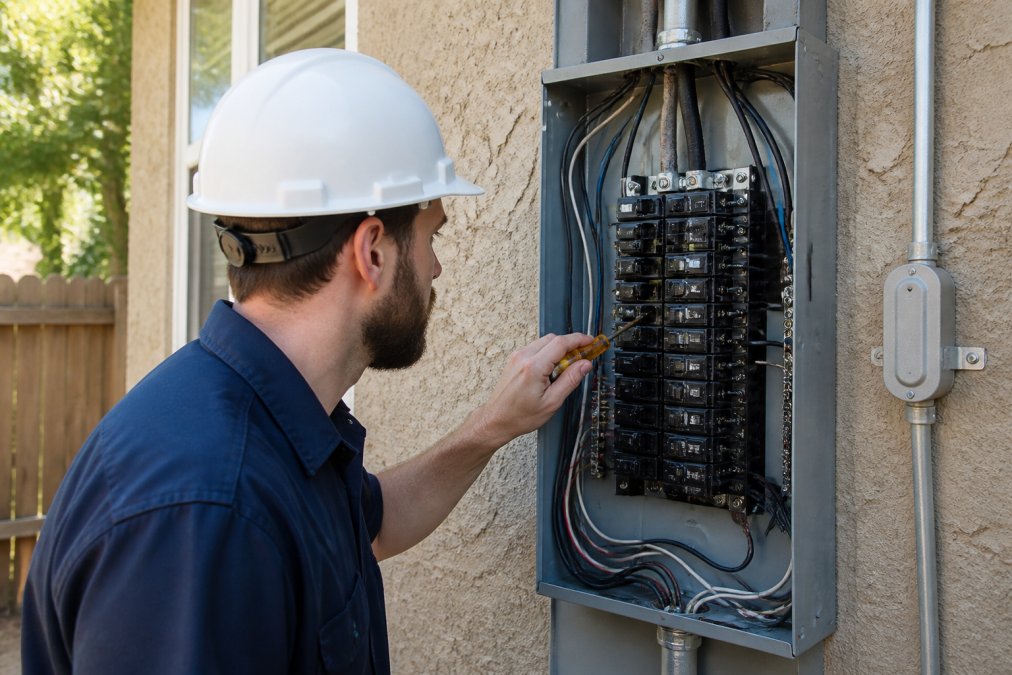
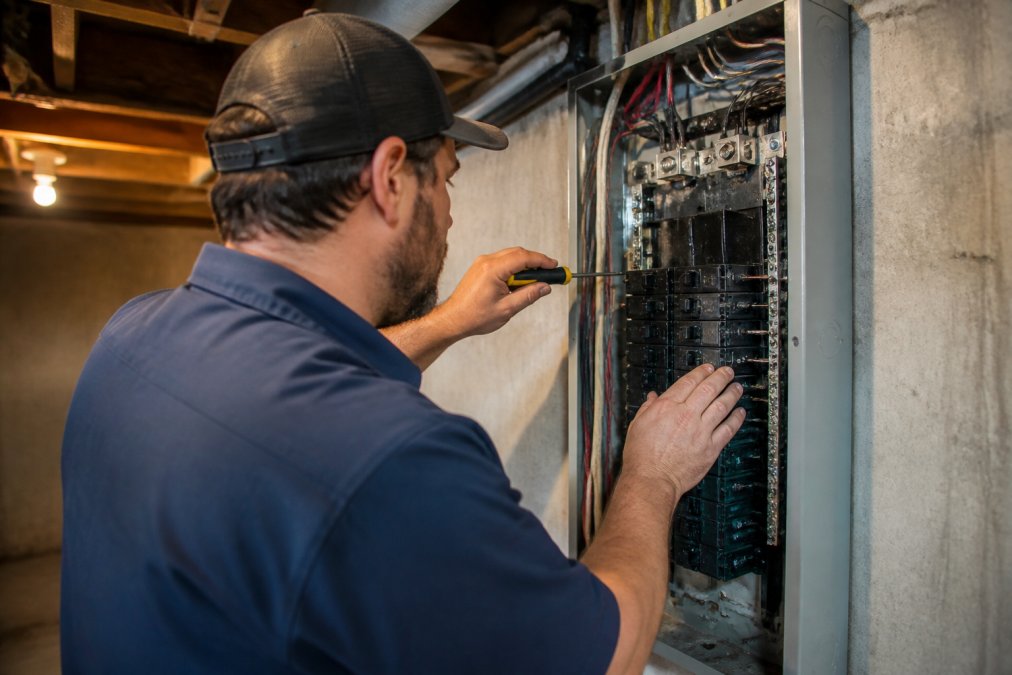
An electrical service panel, also called a breaker box or distribution panel, is the heart of your electrical system. It receives power from the utility company and distributes it throughout your property via individual circuits, each protected by a circuit breaker. When your panel reaches capacity, fails to meet code, or shows signs of age, an upgrade or replacement becomes necessary.
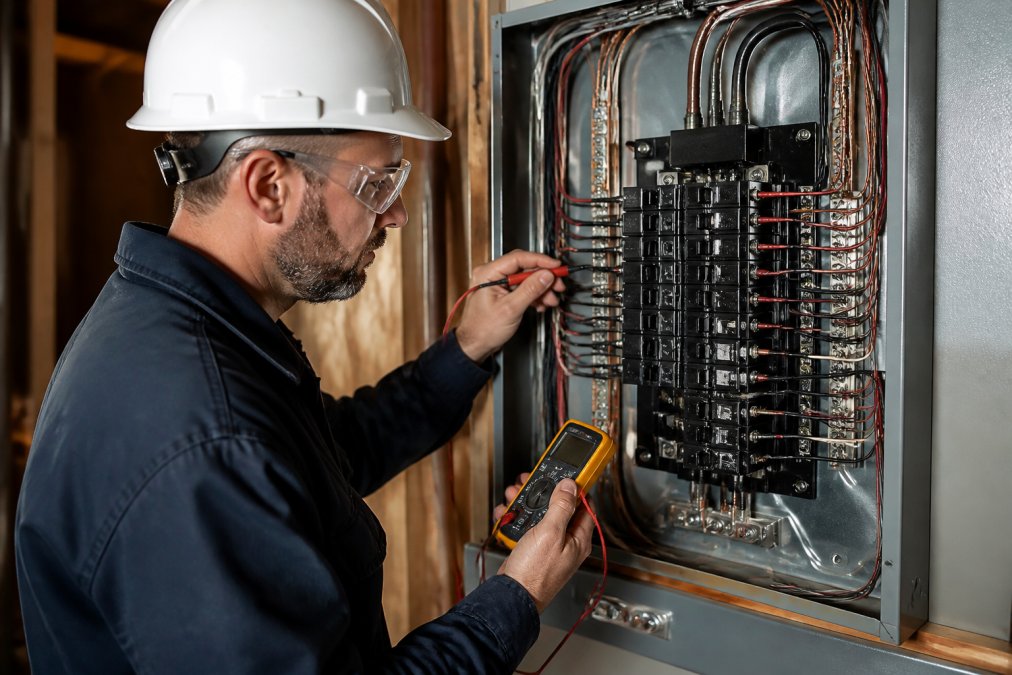
Panel upgrades and replacements address several common situations. Older homes with 100-amp service struggle to power modern appliances and devices. Upgrading to 200 amps provides the capacity needed for air conditioning, electric vehicles, heat pumps, and multiple high-demand circuits. Some older panels use outdated technology or contain components that no longer meet code standards. A panel replacement modernizes the system and eliminates safety risks.
The process of upgrading a service panel involves several critical steps. A licensed electrician first evaluates your current system, calculates your electrical load based on your home's or business's needs, and recommends an appropriate amperage upgrade. They then coordinate with the utility company to schedule the work, obtain necessary permits, and arrange for inspection. The actual replacement involves carefully disconnecting existing circuits, removing the old panel, installing the new one, reconnecting circuits, and testing everything to ensure proper operation.
Panel upgrades require careful planning because they affect your entire electrical system. The electrician must ensure that the new panel's location meets code requirements, that all wiring is properly sized for the new capacity, and that grounding and bonding are correct. This isn't a job for amateurs, improper installation creates serious safety hazards including fire risk and electrocution danger.
Electrical Panel Upgrade Cost and Planning
Planning an electrical panel upgrade requires understanding both the technical requirements and the financial investment involved. Several factors influence the scope and cost of panel work, including your current system's condition, the amperage increase needed, local labor rates, and permit requirements.
The first step in planning is having a licensed electrician assess your current system. They evaluate your existing panel, calculate your electrical load, review your utility bill to understand your consumption patterns, and recommend an appropriate upgrade. This assessment determines whether you need a simple panel upgrade, a complete replacement, or additional sub-panels to handle increased capacity.
Timing matters in electrical panel planning. If you're planning a major renovation, kitchen remodel, or adding an electric vehicle charging station, addressing panel capacity now prevents costly rewiring later. If your home has older wiring or an aging panel, upgrading proactively reduces the risk of failures that force emergency service calls at premium rates.
Financing options exist for panel upgrades. Some utility companies offer rebates or incentives for electrical system improvements, particularly those related to energy efficiency. Understanding these options helps you budget effectively.
The planning process should include getting quotes from multiple licensed electricians. Each quote should detail the scope of work, materials needed, labor costs, timeline, and warranty information. Comparing quotes helps you understand the market and identify any red flags, unusually low bids might indicate corners being cut, while unusually high bids might reflect unnecessary work.
Safety Inspections and Code Compliance
Safety inspections identify hazards in your electrical system before they cause fires, electrocution, or property damage. A comprehensive electrical safety inspection examines your service panel, wiring, outlets, switches, grounding systems, and all connected equipment (iaei.org). The inspector uses specialized tools including multimeters, clamp meters, and ground resistance testers to verify that everything functions safely.
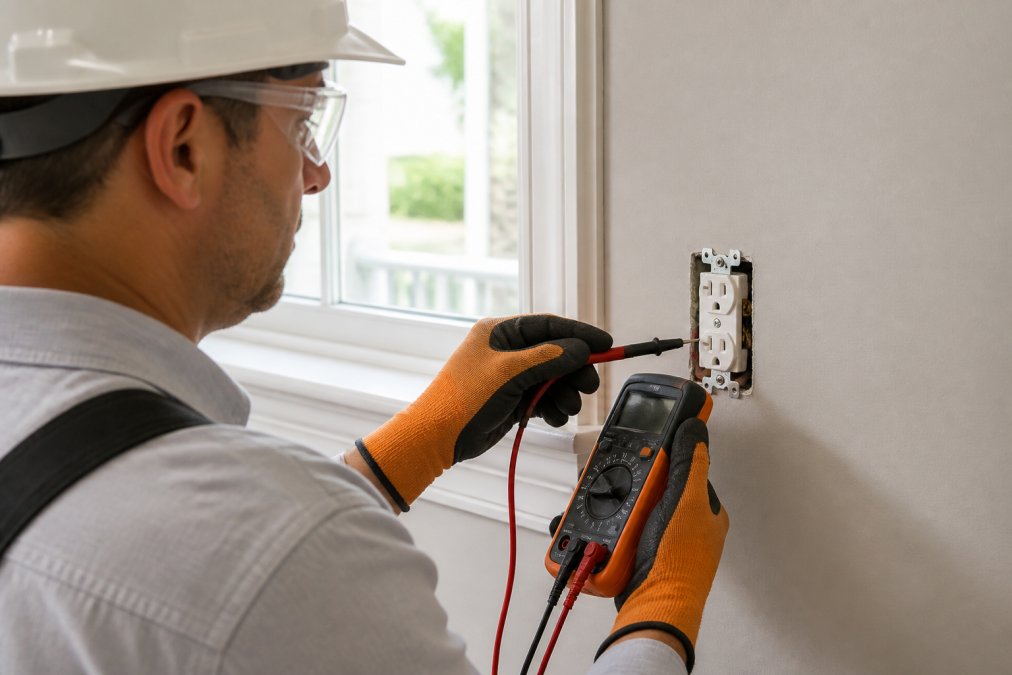
Code compliance means your electrical system meets the standards established in the National Electrical Code (NEC). The NEC sets minimum safety requirements for electrical installation and maintenance (nfpa.org). Local jurisdictions may adopt the NEC with amendments, and some areas have additional requirements. A licensed electrician understands these code requirements and ensures all work meets or exceeds them.
Common code violations include improper grounding, incorrect wire sizing, inadequate circuit protection, and unsafe outlet placement. Outdated wiring in older homes often fails to meet current code standards. Water-damaged wiring, exposed conductors, and deteriorated insulation all represent code violations and safety hazards. A safety inspection identifies these problems so they can be corrected.
The inspection process typically involves a visual examination of accessible components, testing of grounding and bonding systems, and verification that circuit breakers are properly sized for the wiring they protect. The inspector checks that outlets and switches are properly installed, that there's adequate clearance around the service panel, and that any modifications or additions comply with code.
After an inspection, you receive a detailed report documenting any violations, safety hazards, or code deficiencies found. The report prioritizes issues by severity, life-safety hazards get immediate attention, while less critical items can be addressed during planned renovations. Working with a licensed electrician to address these issues ensures your system is safe and compliant.
Finding Licensed Electricians in Your Area
Finding the right licensed electrician requires knowing what qualifications matter and how to evaluate contractors. A licensed electrician has completed apprenticeship training, passed exams demonstrating knowledge of electrical theory and code, and maintains their license through continuing education (bls.gov). This credential matters because it represents verified competency and accountability.
Start by asking for recommendations from friends, family, and neighbors who've had recent electrical work done. Personal referrals carry weight because they come from people who've directly experienced a contractor's work quality and professionalism. Ask specifically about punctuality, communication, cleanliness, and whether the work met expectations.
When you contact electricians for quotes, ask about their licensing status, years of experience, insurance coverage, and whether they're bonded. Request references from recent projects similar to yours. A reputable contractor readily provides this information and encourages you to contact previous customers. When you call references, ask about the quality of work, whether the project stayed on budget and schedule, and whether they'd hire the same electrician again.
Interview multiple contractors before making a decision. Each quote should be detailed enough that you understand exactly what work is included, what materials will be used, the timeline, and the total cost. Be wary of quotes that are significantly lower than others, they might indicate the contractor is cutting corners or has underestimated the scope.
Ask about warranties and guarantees on work performed. A reputable contractor stands behind their work and offers some form of warranty, typically covering both labor and materials for a specified period. This protection gives you recourse if problems develop shortly after the work is completed.
Mister Volts maintains a commitment to competitive pricing, precise workmanship, and NEC-compliant installations. Our licensed electricians serve residential, commercial, and industrial clients throughout the region, and we handle everything from minor repairs to complete system renovations. When you need reliable electrical services, our team brings the expertise and professionalism to execute every job with accuracy and care.
| Service Type | Typical Scope | Complexity Level | Timeline |
|---|---|---|---|
| Outlet/Switch Installation | Add or replace outlets and switches | Low | 1-2 hours |
| Fixture Installation | Mount ceiling fans, lights, or fixtures | Low to Medium | 2-4 hours |
| Circuit Addition | Install dedicated circuit for appliance | Medium | 4-8 hours |
| Panel Upgrade | Increase amperage capacity | High | 1-3 days |
| Complete Rewiring | Replace all wiring in property | High | Multiple days |
| Safety Inspection | Comprehensive system evaluation | Medium | 2-4 hours |
Conclusion
Electrical services range from simple repairs to complex system designs, and choosing the right contractor matters. A licensed electrician brings expertise in safety, code compliance, and system design that protects your property and ensures reliable power. Whether you need emergency repairs, routine maintenance, or major upgrades, professional electrical services deliver results that DIY attempts cannot match.
When evaluating electrical contractors, prioritize licensing, experience, and references. Get detailed quotes, ask about warranties, and verify that the contractor understands your specific needs. Mister Volts provides comprehensive electrical services with competitive pricing and code-compliant installations. Contact us for a quote on your next electrical project and experience the reliability and professionalism our clients depend on.
Frequently Asked Questions
Q: How do I verify if an electrician is licensed in Georgia?
A: Check the Georgia Construction Industry Licensing Board (GCILB) website or database to confirm active licensure. Ask the electrician directly for their license number and verify it matches their name. Licensed electricians in Georgia must complete apprenticeship hours, pass exams, and maintain continuing education. Never hire unlicensed electricians, they may not follow NEC code compliance, and you could face liability if something goes wrong.
Q: What should be included in an electrical safety inspection checklist?
A: A thorough electrical safety inspection checklist should cover circuit breaker function, grounding and bonding integrity, outlet and switch safety, panel condition, wiring insulation, surge protection, and load calculations. Inspectors also check for code violations, outdated wiring, and fire hazards. The inspection identifies whether your electrical system meets current NEC standards and flags any repairs needed before they become dangerous. Professional inspections catch problems homeowners and business owners typically miss.
Q: What factors affect electrical panel upgrade cost?
A: Electrical panel upgrade cost depends on the amperage increase needed, existing wiring condition, whether rewiring is required, local permit fees, and labor complexity. Upgrading from 100 to 200 amps involves more work than a sub-panel installation. Your location, accessibility, and whether the work requires disconnecting power also impact pricing. Get quotes from multiple licensed electricians and ask what's included, permits, inspections, and warranty differ between providers.
Q: What's the difference between residential and commercial electrical contractors?
A: Residential electricians focus on homes, outlets, lighting, panel upgrades, and wiring for standard household loads. Commercial electrical contractors handle larger systems: three-phase power, high-voltage distribution, complex load calculations, and code compliance for businesses. Commercial work often requires specialized knowledge of industrial powerline standards, emergency systems, and safety protocols. Some licensed electricians work in both fields, but commercial projects demand experience with larger-scale electrical design and installation.
Q: Why should I hire a licensed electrician instead of doing electrical work myself?
A: Licensed electricians understand NEC code compliance, voltage safety, grounding requirements, and permit processes. DIY electrical work risks fire, electrocution, and property damage. Unpermitted work can void insurance coverage, create liability, and fail home inspections. Licensed professionals carry insurance, warranty their work, and ensure installations pass final inspection. For anything beyond simple outlet replacement or fixture installation, professional work protects your safety and property value.