 ultimate-guide
Annual Electrical Safety Inspection: Why It Matters
Table of Contents
- Why Annual Electrical Safety Inspections Matter in 2026
- What Happens During an Electrical Safety Inspection?
- Signs Your Home Needs an Electrical Inspection
- How Much Does an Electrical Safety Inspection Cost?
- The Electrical Safety Inspection Checklist Pros Use
- Insurance, Home Value, and the Financial Case for Inspections
- Conclusion: Make Your Annual Inspection Count
- Frequently Asked Questions
Last Updated: September 6, 2026
Why Annual Electrical Safety Inspections Matter in 2026
An electrical safety inspection is a comprehensive evaluation of your property's wiring, panels, and connected devices to identify hazards before they cause fires or shocks. For most homeowners, this routine check-up is the single most effective step to protect both property and people, yet it remains one of the most overlooked items on any maintenance list.
Aging infrastructure, increased electrical load from modern appliances, and the growing demand from electric vehicle charging and smart home devices all strain systems designed decades ago. Below, we'll show you exactly how a professional inspection works, what factors influence its cost, and why skipping it could cost far more than the price of the visit.
What Happens During an Electrical Safety Inspection?
A thorough inspection examines the three core areas where most residential hazards develop: the electrical panel, the wiring integrity throughout the structure, and the outlets and fixtures you interact with daily.
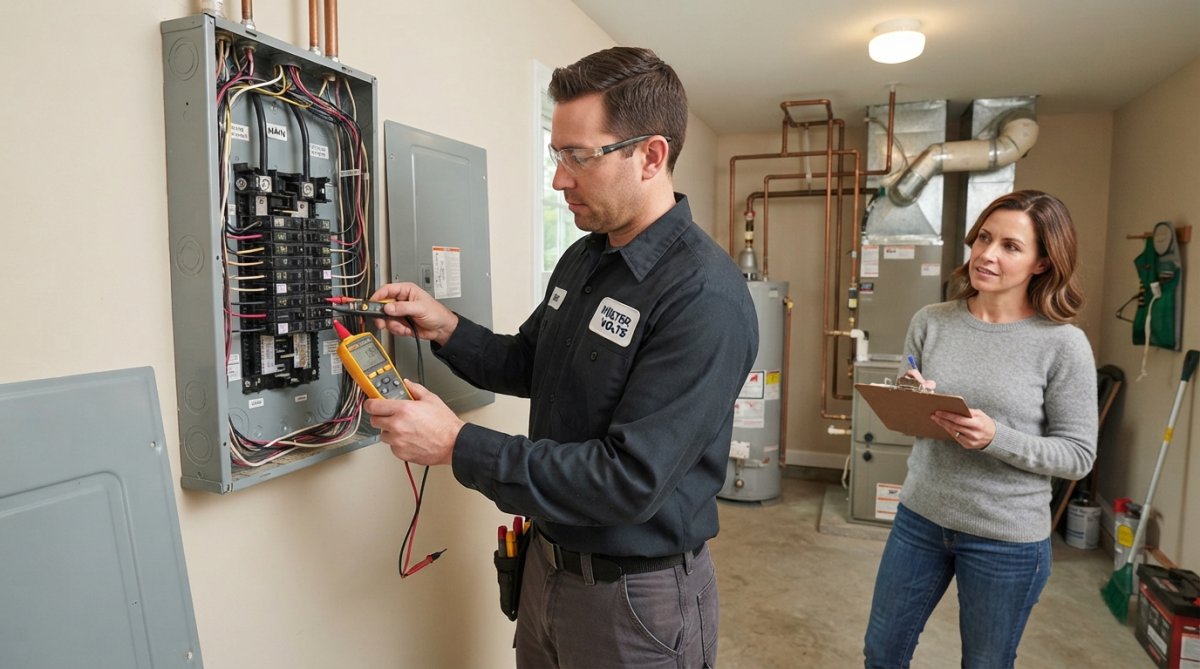
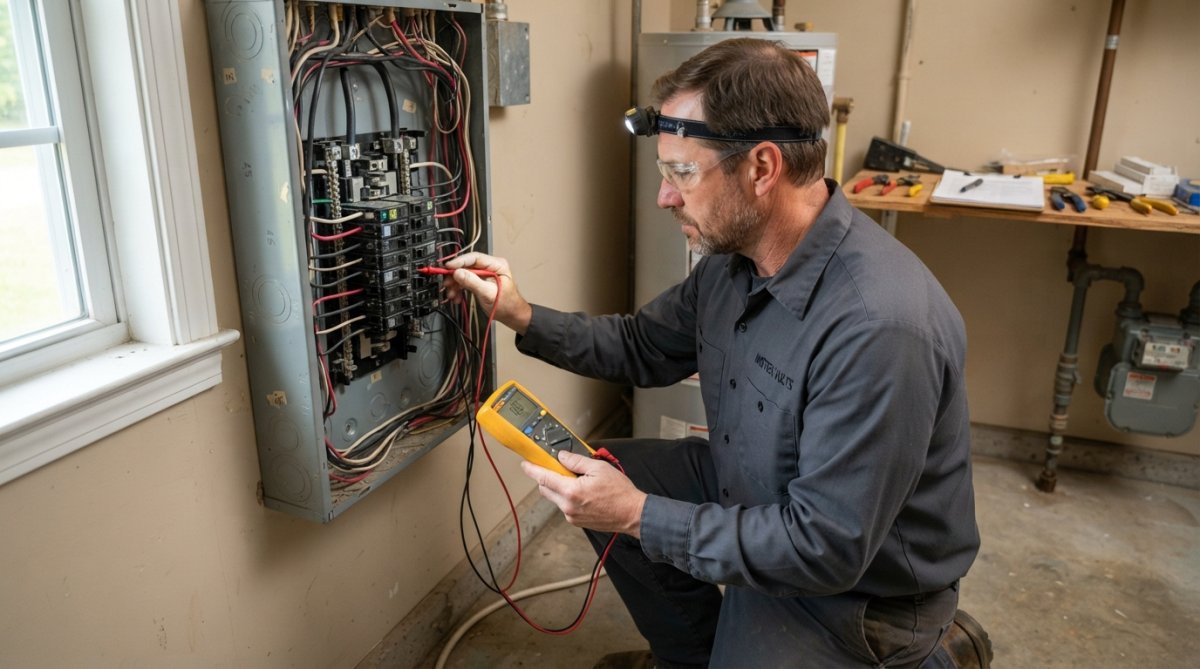
The process typically takes one to three hours depending on the size and age of the home. The electrician checks for proper grounding, verifies that circuit breakers are correctly sized for their circuits, and looks for signs of overheating, corrosion, or loose connections. According to guidance from the National Fire Protection Association's electrical safety resources, routine inspections are a key component of reducing electrical failure risks in homes.
Panel, Wiring, and Outlet Checks
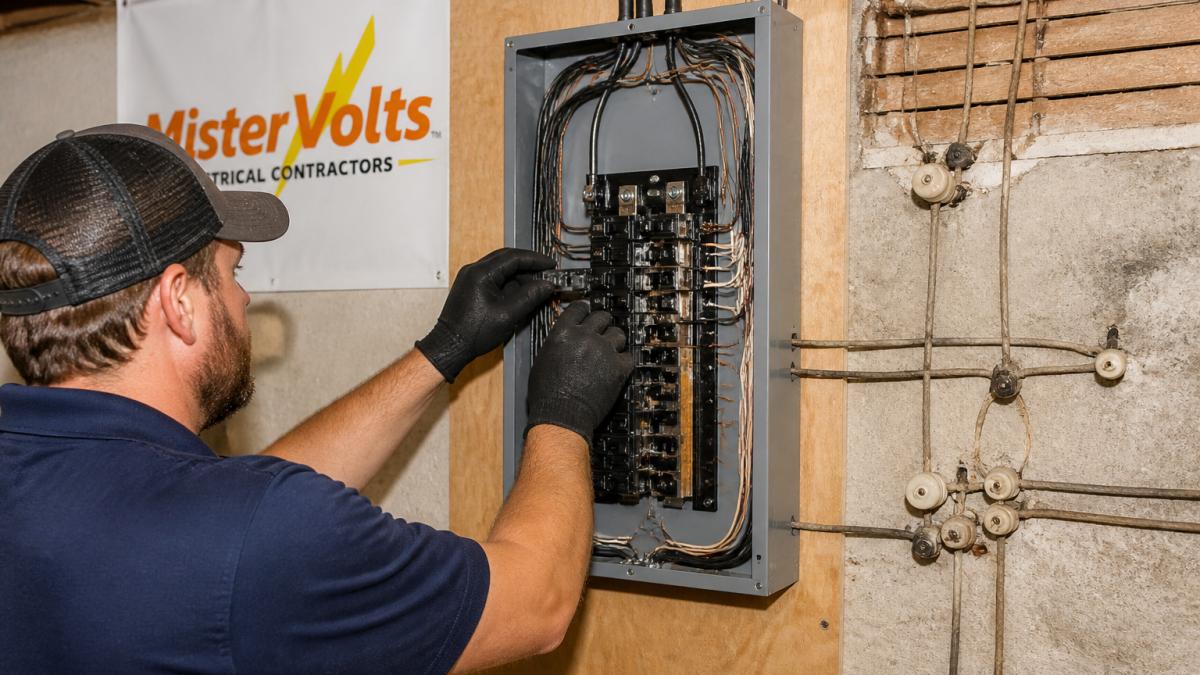
The electrical panel receives the most scrutiny because it is the distribution point for your entire system. The inspector looks for double-tapped breakers, aluminum wiring connections that need special handling, and any signs of previous amateur work that could create arc faults.
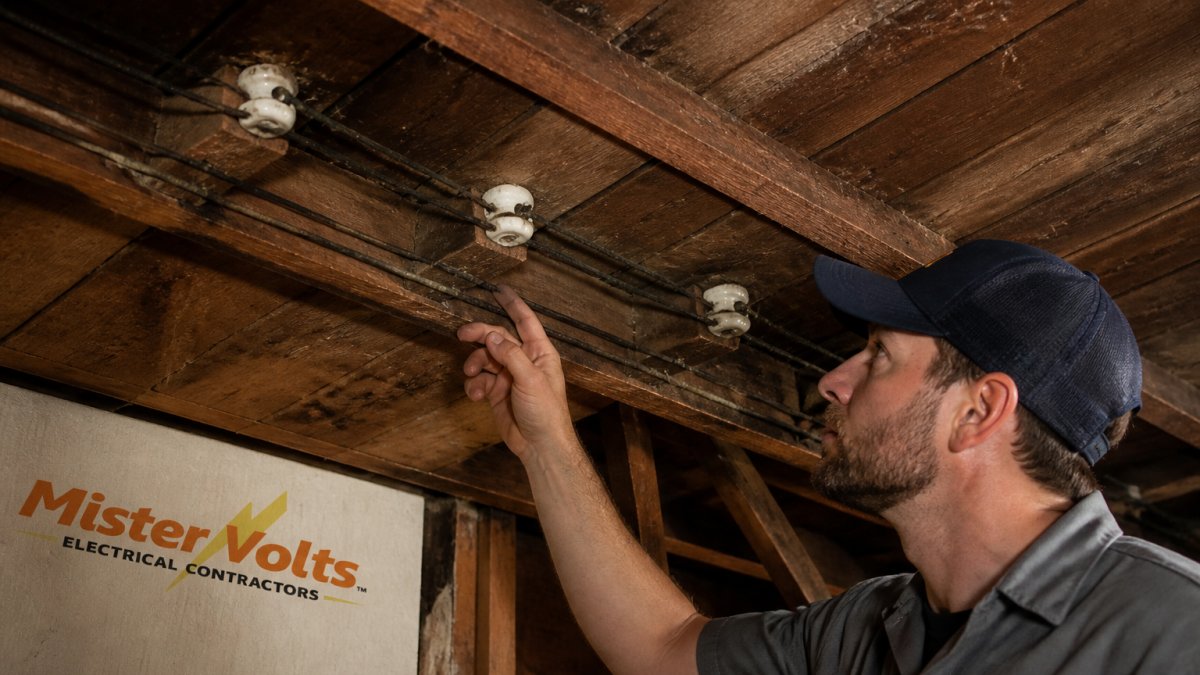
Wiring checks involve sampling accessible areas of the attic, basement, and crawl spaces to identify deteriorated insulation, damage from pests, or improper modifications. Thermal imaging tools help inspectors spot hot spots in the panel and along circuits that indicate resistance problems invisible to the naked eye.
Signs Your Home Needs an Electrical Inspection
Frequent circuit breaker trips, flickering lights, or outlets that feel warm to the touch are clear signals that your system is under stress. A burning smell near the panel or from an outlet is an urgent matter that requires immediate attention from a qualified professional.
If your home is more than 40 years old and still has its original panel, or if you have recently added major appliances without upgrading your service, an inspection is warranted. Voltage fluctuations when large appliances cycle on and off suggest your electrical load is approaching the system's limits.
How Much Does an Electrical Safety Inspection Cost?
Pricing varies based on the size of your home, the age of your system, and the depth of testing required. A basic visual inspection of a smaller home generally costs less than a comprehensive evaluation that includes thermal imaging and load testing on a larger property with multiple panels.
Reputable providers give estimates after understanding your specific situation. The most accurate way to budget is to request a quote that accounts for your property's age, square footage, and any known issues.
An inspection that identifies a failing breaker or a deteriorating connection costs a fraction of what an emergency callout would charge, and it is dramatically less than the cost of structural fire damage.
The ROI Math Most Guides Skip
The return on investment is not just about avoiding a fire, it is about avoiding the specific cascade of costs that follow a neglected system. Consider a typical 30-year-old home with a 100-amp panel. The homeowner adds an EV charger, a heat pump water heater, and a home office setup over a few years. The panel is now overloaded, and the main breaker trips regularly.
Scenario A: Annual inspections were skipped. The first sign of trouble is a warm panel face or a breaker that will not reset. The emergency callout fee alone can be substantial, and the diagnosis might reveal a melted bus bar. The fix could require a full panel replacement, plus additional repairs if there was arcing damage. This can lead to significant out-of-pocket expenses, not counting the days without power.
Scenario B: Annual inspections were performed. In year one, the inspector notes the panel is at 80% capacity and recommends a load calculation. In year two, they flag the added EV charger and recommend a sub-panel or a service upgrade. The homeowner budgets for a planned upgrade, schedules it at their convenience, and avoids the emergency markup entirely. The inspection itself can pay for itself many times over.
The Hidden Cost: Insurance Claim Denials
The most expensive outcome is not the repair, it is the claim denial. Most homeowners' insurance policies exclude damage caused by "neglect" or "lack of maintenance." If a fire starts from a deteriorated wire that an inspection would have caught, the insurer can deny the claim, leaving you with the full rebuild cost. A single inspection report, dated before the incident, documents that you exercised reasonable care, which is the standard most policies require.
What You Actually Pay For
When you pay for an inspection, you are buying three things: a licensed electrician's time (typically 1-3 hours on site), diagnostic tooling (thermal cameras, circuit testers, and load meters that cost thousands of dollars), and a written report that becomes a legal and financial document. A verbal "looks fine" is worthless; a dated, signed report is evidence.
For commercial property owners, the calculation is different but equally clear. An unplanned electrical shutdown in a retail or office space can lead to significant lost revenue and payroll, according to common industry estimates. A $500-$1,000 annual inspection that prevents one shutdown pays for itself within the first hour of avoided downtime. The Occupational Safety and Health Administration's electrical safety guidelines require employers to maintain safe electrical systems, and a documented inspection history is the evidence that demonstrates compliance during an audit.
The Electrical Safety Inspection Checklist Pros Use
Professional electricians follow a structured checklist to ensure nothing is overlooked during an inspection.
- Panel assessment: Verify main breaker rating, check for correct breaker sizing, look for signs of overheating or corrosion
- Grounding verification: Confirm the grounding electrode system is intact and properly connected
- Outlet and switch testing: Check polarity, grounding, and GFCI protection in wet areas
- Wiring integrity sampling: Inspect visible wiring in attic, basement, and crawl spaces for damage
- Arc fault protection: Confirm AFCIs are installed where required by current electrical code compliance standards
- Load calculation: Compare your current electrical load against the panel's rated capacity
- Surge protection review: Assess whether whole-home surge protection would benefit your system
A thorough inspector will also ask about your usage patterns, planned renovations, and any recent additions of high-demand appliances to ensure your system can handle future needs.
Insurance, Home Value, and the Financial Case for Inspections
The benefits of an annual inspection extend beyond safety into the financial health of your property. Many insurance providers consider the condition of your electrical system when underwriting a policy, and a documented history of regular inspections can support your claims in the event of an incident.
When you sell a home, buyers and their inspectors will scrutinize the electrical system, and a recent inspection report provides documented evidence that the system is sound. This can prevent last-minute negotiations or deal failures that arise when an outdated panel or questionable wiring is discovered during the buyer's own due diligence.
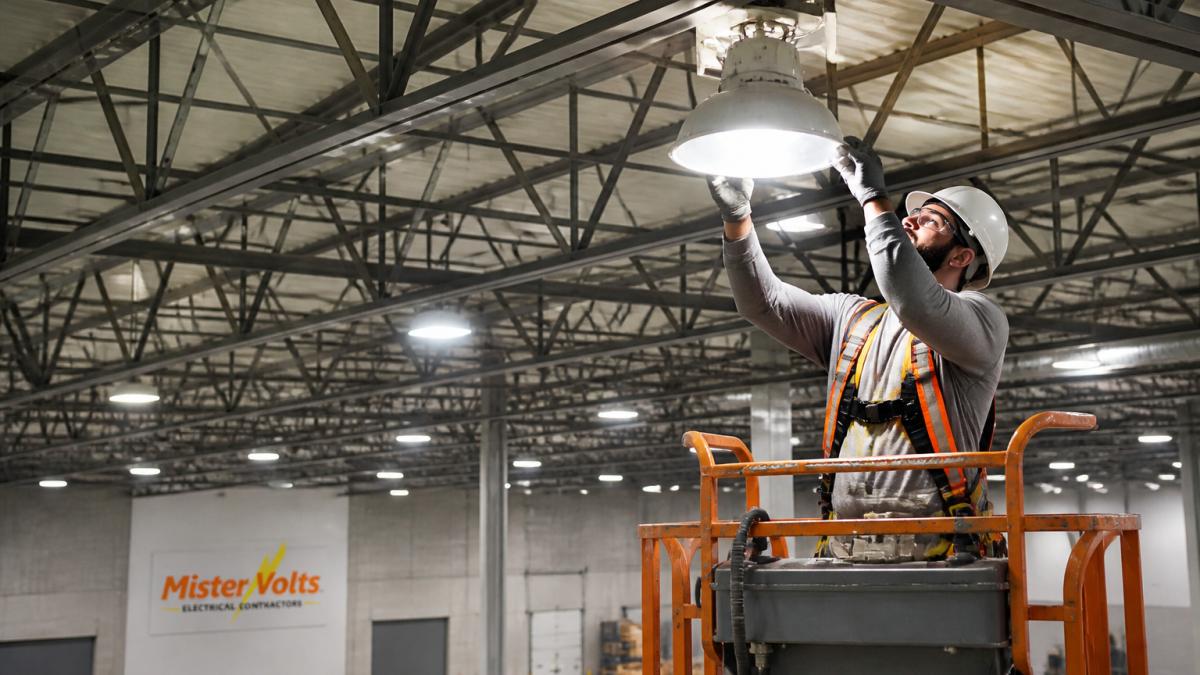
For commercial property owners, the importance of annual electrical safety inspection is even more pronounced. Compliance with safety standards and insurance requirements protects your business from liability, and preventative maintenance reduces the risk of downtime from electrical failures. The Occupational Safety and Health Administration's electrical safety guidelines emphasize regular maintenance as a core responsibility for employers, and documenting these inspections demonstrates due diligence.
How an Inspection Report Actually Affects Your Premium
When you apply for homeowners insurance, the underwriter runs a CLUE report (Comprehensive Loss Underwriting Exchange) that shows your claim history. They also ask about your home's age, electrical panel brand, and wiring type. If you have a Federal Pacific or Zinsco panel, two brands widely flagged by insurers as high-risk, you may face higher premiums or outright denial until the panel is replaced. A dated inspection report that confirms the panel is functional, or that documents a recent upgrade, gives the underwriter concrete evidence to justify a standard rate.
Some insurers may offer a discount for documented safety inspections. The larger financial protection is on the claims side: a report dated before a fire or shock incident is the difference between a paid claim and a denied one. Insurers deny claims when they can demonstrate negligence. A current inspection report is the single best piece of evidence that you were not negligent.
The Home Sale Advantage
In a competitive housing market, a recent electrical inspection report is a differentiator. Most sellers provide a general home inspection report that does not dive deep into the electrical panel, load calculations, or code compliance. A dedicated electrical safety inspection report, dated within the last 12 months, tells the buyer's agent that the electrical system is not a negotiation point.
The Modern Load Problem No One Mentions
The financial case for inspections is stronger today than it was a decade ago because the electrical load in a typical U.S. home has changed dramatically. A 2020s home with an EV charger, a heat pump, induction cooktop, and a home office can draw 60-100 amps during peak usage. Most homes built before 2000 were designed for 100-amp service, and many still have it.
An annual inspection catches this mismatch early. The inspector performs a load calculation, comparing your panel's rated capacity against your actual usage patterns, and flags when you are approaching the limit. This gives you time to plan a service upgrade rather than discovering the problem when the main breaker fails.
A home with a documented, code-compliant electrical system appraises higher and sells faster because it removes a known source of buyer anxiety. For commercial properties, a current inspection report is often a prerequisite for lease renewals or property sales, and it protects you from liability if an employee is injured by an electrical fault.
Conclusion: Make Your Annual Inspection Count
The case for an annual electrical safety inspection rests on a simple principle: it is far cheaper and less disruptive to prevent a problem than to fix one after it appears.
For residents in Macon, Perry, Warner Robins, and surrounding Georgia communities, Mister Volts provides professional, code-compliant inspections backed by licensed electricians who understand both residential and commercial systems. Whether you need a minor repair identified during an inspection or a full service-panel upgrade to handle modern electrical loads, our team delivers dependable solutions tailored to your project.
Get started with Mister Volts and schedule your electrical safety inspection today. Our competitive quotes and precise workmanship ensure your property remains safe, efficient, and fully operational for years to come.
Frequently Asked Questions
How often should a residential electrical system be inspected?
Most experts recommend a full electrical safety inspection at least once a year. Homes with older wiring, frequent power surges, or major appliance additions like EV chargers may need them more often. After a significant renovation or a lightning strike, schedule an inspection immediately. A yearly check by a licensed electrician catches small problems like loose connections or worn insulation before they become fire hazards.
Does an electrical inspection help with homeowners insurance?
Yes. Many insurance providers require proof of a recent electrical safety inspection before issuing a policy, especially for older homes. Even when not required, an inspection report showing code-compliant wiring and a safe panel can support your claim if you need to file one. Some insurers may offer lower premiums for documented preventive maintenance, as it reduces their risk of paying out for electrical fires.
What is the difference between an electrical inspection and a home inspection?
A standard home inspection is visual and general. An inspector checks that outlets have power and the panel looks intact, but they do not open the panel or test wiring integrity. A dedicated electrical safety inspection is more thorough. A licensed electrician checks connections, verifies grounding, tests GFCI outlets, and looks for hidden hazards like overloaded circuits or signs of heat damage that a general home inspection will miss.
Can an annual inspection prevent electrical fires?
Yes. According to the National Fire Protection Association, electrical failures are a leading cause of home fires. An annual inspection identifies hazards like arc faults, overloaded circuits, and deteriorating insulation before they ignite. Thermal imaging during an inspection can spot hot spots in the panel that are invisible to the naked eye. Correcting these issues during a routine check-up is far cheaper and safer than dealing with a fire.