 how-to
Cost of Home Electrical Inspection 2026
Table of Contents
- What a Standard Electrical Inspection Includes
- Factors That Influence Electrical Inspection Costs
- How Long Does an Electrical Inspection Take
- Electrical Safety Inspection Checklist
- Signs You Need an Electrical Panel Upgrade
- Getting Accurate Quotes for Home Electrical Inspections
- Insurance and Resale Impact of Electrical Inspections
- Frequently Asked Questions
Last Updated: September 2, 2026
What a Standard Electrical Inspection Includes
A standard electrical inspection is a comprehensive evaluation of your home's electrical system to identify safety hazards, code violations, and potential failures. Licensed electricians examine everything from your service panel to individual outlets, checking for proper grounding, adequate capacity, and compliance with the National Electrical Code.
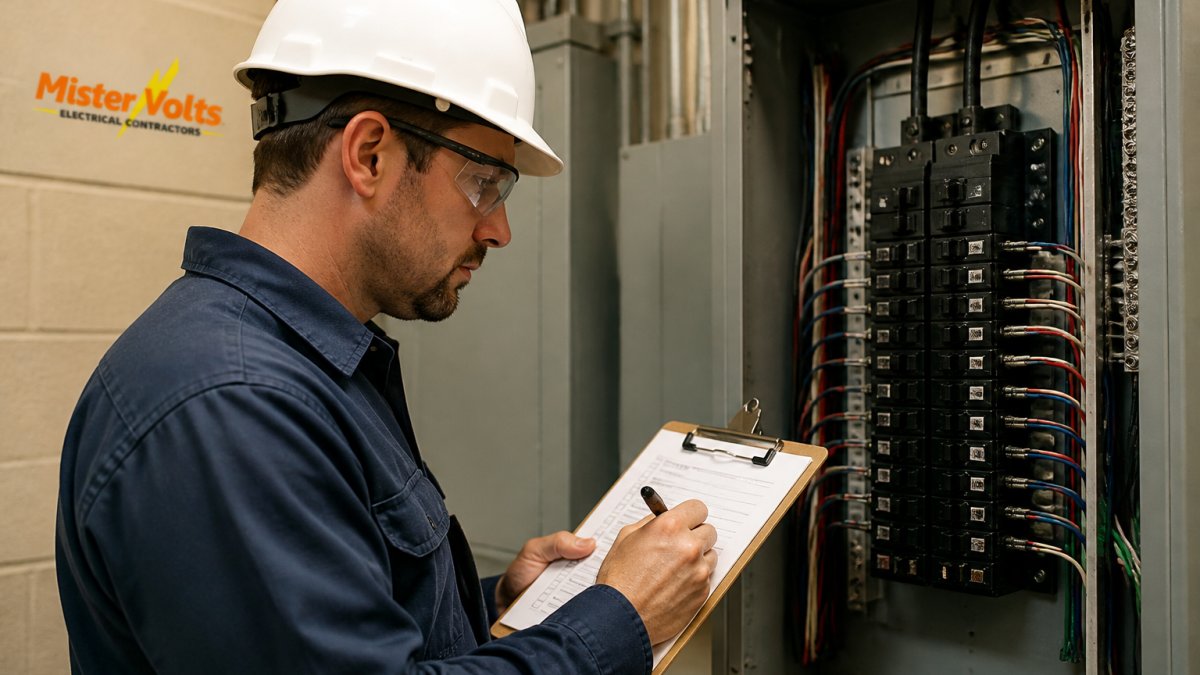
During an inspection, the electrician will test outlets and switches, verify that circuit breakers function correctly, inspect wiring integrity, check for proper grounding and bonding, and assess whether your electrical infrastructure can handle your home's power demands. They'll look for outdated wiring materials like knob-and-tube or aluminum wiring, verify that GFCI and AFCI protection is installed where required, and identify any fire hazards or electrical safety concerns.
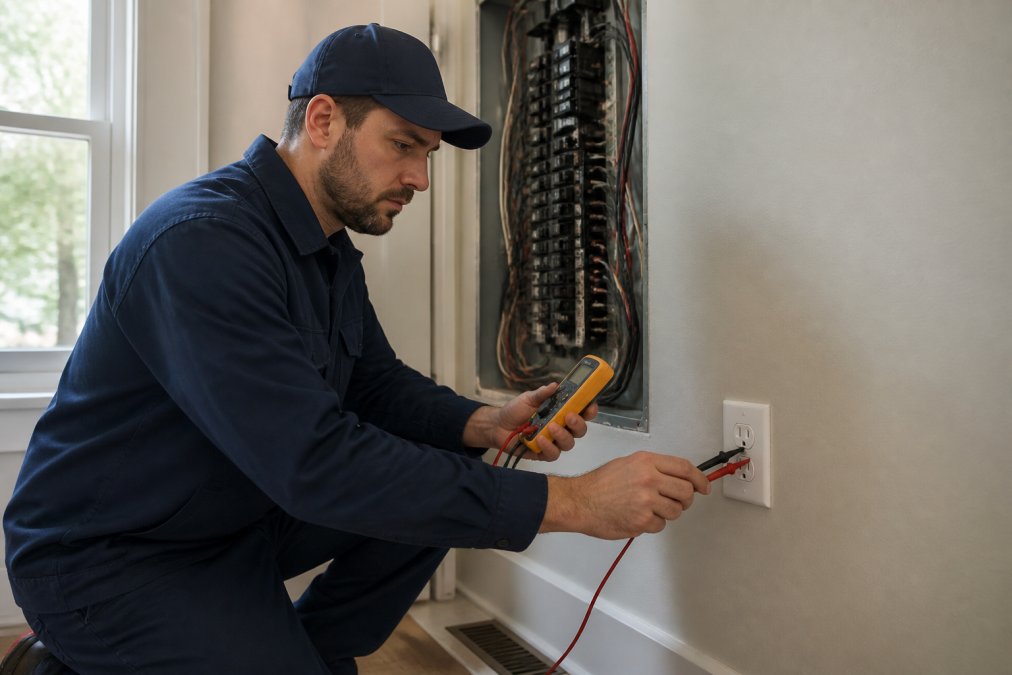
A thorough inspection typically includes testing voltage at key points, examining the service panel for proper load calculation and capacity, and documenting all findings in a detailed home inspection report. The electrician will note any areas that don't meet current code requirements, even if they're functioning now. This preventative maintenance approach helps catch problems before they become expensive or dangerous.
What gets included depends on whether you're getting a basic visual inspection or a comprehensive evaluation. A basic inspection covers the main components and obvious hazards. A comprehensive inspection goes deeper, testing circuits under load, checking for voltage drop issues, and examining less accessible areas. Mister Volts recommends a comprehensive inspection if you're buying an older home or planning significant electrical work.
Factors That Influence Electrical Inspection Costs
Several variables determine the cost of a home electrical inspection. The size of your home is the primary factor, a 1,500-square-foot house takes less time to inspect than a 4,000-square-foot property. Older homes with outdated wiring and complex electrical systems typically cost more to inspect thoroughly than newer homes built to current standards.
The age and condition of your electrical system heavily influence inspection pricing. Homes with original knob-and-tube wiring, aluminum wiring, or severely deteriorated components require more detailed evaluation and take longer to complete. If your home has had multiple additions or renovations with integrated electrical wiring, the inspection becomes more complex and time-consuming.
Your home's electrical infrastructure complexity matters significantly. A straightforward residential system with a standard service panel costs less to inspect than a home with a subpanel, backup generator, solar installation, or EV charger wiring. The more sophisticated your electrical setup, the more expertise and time the inspection requires.
Geographic location and local code requirements can affect pricing. Some jurisdictions have stricter compliance standards or require specific testing procedures. Labor rates vary by region, so the cost of home electrical inspection 2026 will differ depending on where you live and which licensed electrician you hire.
The scope of the inspection, whether you want a basic visual check or a comprehensive evaluation with load testing, directly impacts the final cost. A comprehensive inspection that includes checking for voltage drop, testing circuits under load, and examining hard-to-reach areas naturally costs more than a surface-level review.
How Long Does an Electrical Inspection Take
A standard electrical inspection typically takes between two and four hours, depending on your home's size and condition. Smaller homes under 2,000 square feet usually require two to three hours, while larger properties may need four to six hours for a thorough evaluation.
The supporting keyword "how long does an electrical inspection take" depends heavily on what the electrician finds. If your home is relatively new with straightforward wiring and no obvious problems, the inspection moves faster. If the electrician discovers outdated wiring, code violations, or safety concerns requiring additional testing, the inspection takes longer.
Several factors affect inspection duration. Homes with accessible electrical panels and clearly marked circuits can be inspected more quickly. Properties where the service panel is in a basement or difficult-to-reach location, or where wiring paths are unclear, require more time. Homes with multiple additions, subpanels, or complex electrical upgrades naturally take longer to evaluate thoroughly.
The electrician's experience level also influences how long an inspection takes. A licensed electrician familiar with your area's code requirements and common issues in homes of your age and type works efficiently. They know where problems typically hide and what to look for based on your home's construction era.
Plan to be home during the entire inspection so the electrician can ask questions about your electrical system's history, any problems you've noticed, and your future plans. This conversation helps them prioritize their evaluation and identify areas of concern. A comprehensive inspection that includes load testing or detailed voltage drop analysis takes longer than a basic visual inspection.
Electrical Safety Inspection Checklist
An electrical safety inspection checklist ensures nothing gets overlooked. A comprehensive evaluation covers service panel condition and capacity, circuit breaker functionality, proper grounding and bonding throughout the system, outlet and switch condition and safety, and wiring integrity in accessible areas.
The inspection should verify that GFCI protection is installed in bathrooms, kitchens, and outdoor outlets where required by code. AFCI breakers should protect bedroom circuits and other areas specified by current electrical code. The electrician checks that all outlets are properly grounded, polarized, and functioning safely.
Key items on the electrical safety inspection checklist include:
- Service panel amperage adequate for your home's electrical demands
- No double-tapped breakers (except where permitted by code)
- Proper labeling of all circuits
- No signs of burning, corrosion, or damage in the panel
- Adequate clearance around the service panel per code requirements
- All exposed wiring properly protected and routed
- No evidence of water damage or moisture intrusion
- Proper bonding of metal components
- Correct wire gauges for circuit amperage
- No obvious fire hazards or safety violations
The inspection also documents any outdated wiring materials, assesses whether the electrical infrastructure can handle modern appliances and devices, and identifies areas where additional outlets or circuits may be needed. The electrician looks for signs of previous amateur work or unpermitted electrical modifications.
Mister Volts includes a detailed checklist in every inspection report, noting which items pass inspection and which require attention. This documentation becomes valuable for insurance purposes, real estate transactions, and planning future electrical upgrades.
Signs You Need an Electrical Panel Upgrade
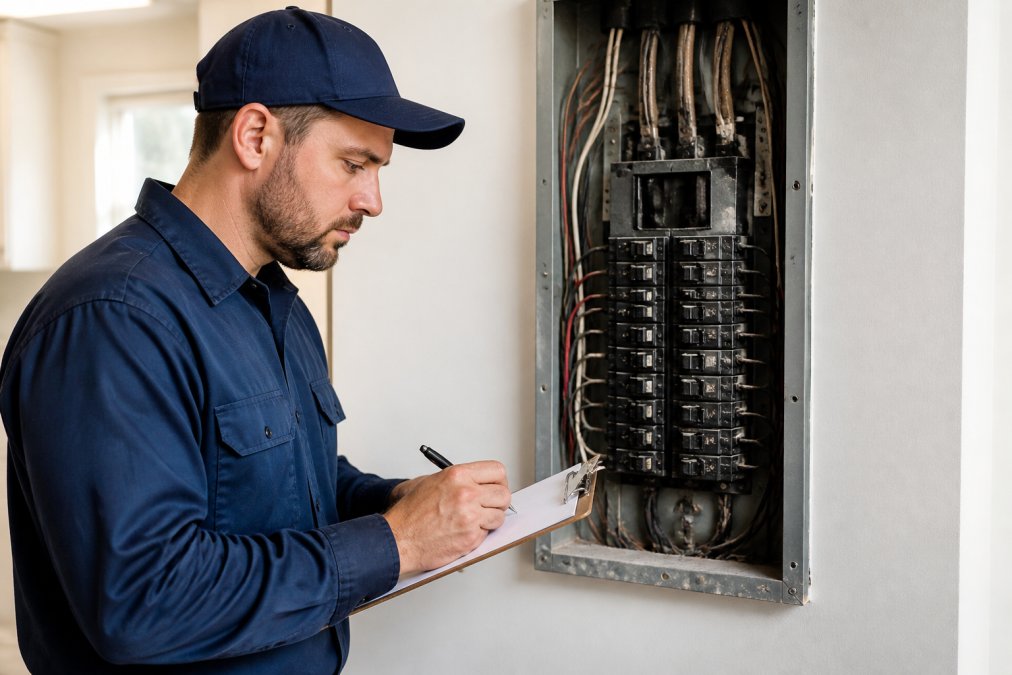
Your electrical panel is the heart of your home's electrical system. If your panel is showing signs of age, damage, or inadequate capacity, an upgrade may be necessary. Common warning signs include frequently tripped circuit breakers, outlets that don't work reliably, flickering lights, or a burning smell coming from the panel.
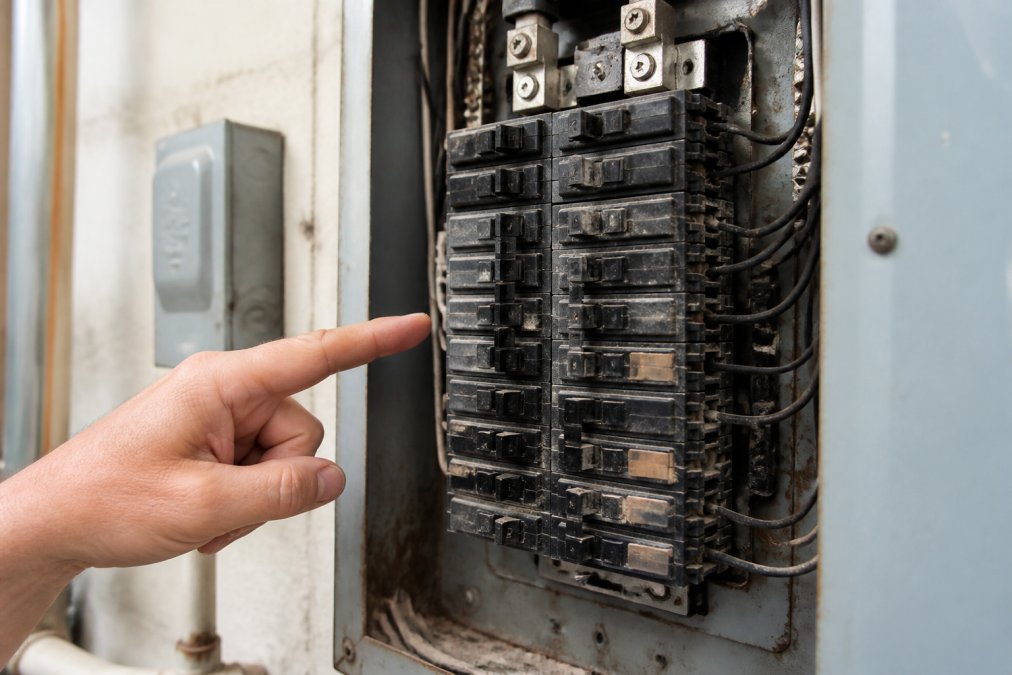
An outdated service panel that can't handle your home's power demands is a major red flag. If you're adding new appliances, installing an EV charger, or planning a significant renovation, your existing panel may lack the amperage capacity. Modern homes typically need 200-amp service; older homes with 100-amp or 150-amp panels often require upgrades to support contemporary electrical loads (nfpa.org).
Certain panel brands have known safety issues. Federal Pacific Electric and Zinsco panels, common in homes built in the 1970s-1980s, have documented failure rates and fire hazards (cpsc.gov). If your home has one of these panels, upgrading is strongly recommended regardless of current performance.
Signs that indicate you need an electrical panel upgrade include visible corrosion or rust on the panel, a burning smell near the electrical panel, water damage or moisture around the panel area, or a panel that's too small to accommodate new circuits. If your panel is more than 25-30 years old, it's worth having a licensed electrician evaluate whether an upgrade would improve safety and reliability.
A panel upgrade is a significant electrical project that requires proper permitting and professional installation. The cost of home electrical inspection 2026 is minimal compared to the cost of addressing problems that an inspection uncovers. Identifying the need for a panel upgrade during an inspection allows you to plan and budget for the work properly.
Getting Accurate Quotes for Home Electrical Inspections
When seeking quotes for an electrical inspection, provide consistent information to each electrician so you can compare pricing fairly. Tell them your home's square footage, age, and any specific concerns you have. Let them know whether you want a basic inspection or a comprehensive evaluation.
Contact multiple licensed electricians and request detailed quotes that specify what's included. A good quote breaks down the inspection scope, lists what will be tested and evaluated, and explains how long the inspection typically takes. Avoid quotes that seem unusually low, they may indicate the electrician is cutting corners or planning a rushed inspection.
Ask whether the quote includes a written report with photographs of any issues found. The cost of home electrical inspection 2026 should include comprehensive documentation. Request clarification on what happens if the inspection uncovers major problems, will there be additional charges for extra testing or evaluation?
When comparing quotes, pay attention to the electrician's experience and credentials. A licensed electrician with extensive residential inspection experience typically provides more thorough evaluations than someone just starting out. Ask for references from customers who've had inspections done, particularly for homes similar to yours in age and size.
Mister Volts provides transparent quotes that clearly explain what's included and why the inspection takes the time it does. We answer questions about our evaluation process and explain our findings in detail. Our goal is to give you complete information about your home's electrical system so you can make informed decisions about necessary repairs or upgrades.
Insurance and Resale Impact of Electrical Inspections
A home electrical inspection becomes critically important when you're selling your property or applying for homeowner's insurance. Many insurers require an electrical inspection before issuing a policy, particularly for older homes or properties with known electrical issues. A clean inspection report can reduce your insurance premiums and make your home more insurable.
When selling your home, a pre-sale electrical inspection demonstrates to potential buyers that you've maintained the property responsibly. Buyers increasingly request inspections as part of their due diligence. Having a professional inspection already completed shows transparency and confidence in your home's condition. If the inspection uncovers issues, you can address them before listing or adjust your asking price accordingly.
Lenders often require electrical inspections as part of the mortgage approval process, particularly for older homes or those with a history of electrical problems. A satisfactory inspection report can accelerate your loan approval. If the inspection reveals significant code violations or safety hazards, the lender may require remediation before closing.
Electrical code compliance directly affects your home's resale value and marketability. Homes with outdated wiring, inadequate service panels, or unresolved electrical safety issues sell for less or take longer to sell. Buyers increasingly understand that electrical problems are expensive to fix, so they factor inspection findings into their offers.
Insurance claims related to electrical fires or damage may be denied if your home wasn't properly inspected and maintained. A documented electrical inspection report protects you by showing you took reasonable steps to identify and address safety issues. This documentation becomes valuable if you ever need to file an insurance claim.
The cost of home electrical inspection 2026 is a worthwhile investment when you're buying or selling. It protects your financial interests, ensures your family's safety, and provides documentation that satisfies lenders and insurers. Many homeowners find that the inspection cost is recovered through better insurance rates or a smoother real estate transaction.
Getting a professional electrical inspection is one of the smartest investments you can make in your home's safety and value. Whether you're concerned about outdated wiring, planning an upgrade, or preparing to sell, a thorough evaluation from a licensed electrician reveals what's working and what needs attention. At Mister Volts, we provide comprehensive electrical inspections that document your home's condition in detail, giving you the information you need to make informed decisions about repairs, upgrades, and maintenance. Contact us today for a transparent quote and professional evaluation of your home's electrical system.
Frequently Asked Questions
How much should I pay for an electrical inspection?
The cost of a home electrical inspection varies based on home size, age, and complexity of the electrical system. Factors like square footage, number of circuits, and whether the home has outdated wiring all affect pricing. For an accurate quote tailored to your specific property, contact a licensed electrician who can assess your home's unique needs and provide a detailed estimate.
What does a professional electrical inspection include?
A comprehensive electrical inspection covers your service panel, circuit breakers, wiring integrity, grounding and bonding, outlet testing, GFCI protection, and AFCI breakers. The electrician evaluates your home's electrical infrastructure for compliance with the National Electrical Code, identifies fire hazards, tests voltage levels, and checks for outdated wiring like knob-and-tube or aluminum wiring that may pose safety risks.
How long does an electrical inspection take?
Most home electrical inspections take 1 to 3 hours, depending on your home's size and the complexity of its electrical system. Smaller homes with straightforward layouts typically require less time, while larger homes or those with extensive additions, multiple service panels, or suspected electrical issues may take longer. Your licensed electrician can provide a time estimate during the initial consultation.
Can an electrical inspection help with home resale or insurance?
Yes. A completed electrical inspection report demonstrates that your home meets safety standards and the National Electrical Code, which can increase buyer confidence during a real estate transaction. Many insurers also view homes with current electrical inspections more favorably, potentially affecting your insurance rates. Addressing any identified electrical hazards before sale or renewal strengthens your property's safety profile and market value.