 ultimate-guide
Electrical Panel Upgrade Cost 2026: Complete Guide
Table of Contents
- Average Cost Breakdown for Electrical Panel Upgrades in 2026
- Signs You Need an Electrical Panel Upgrade
- 100-Amp vs 200-Amp Service: What's the Difference?
- 200-Amp Panel Upgrade Requirements and Load Calculations
- Knob and Tube Wiring Replacement Cost and Safety Concerns
- Labor, Permits, and Timeline for Panel Replacement
- Modern Upgrades: EV Charging and Smart Panel Integration
- Frequently Asked Questions
Last Updated: August 28, 2026
Average Cost Breakdown for Electrical Panel Upgrades in 2026
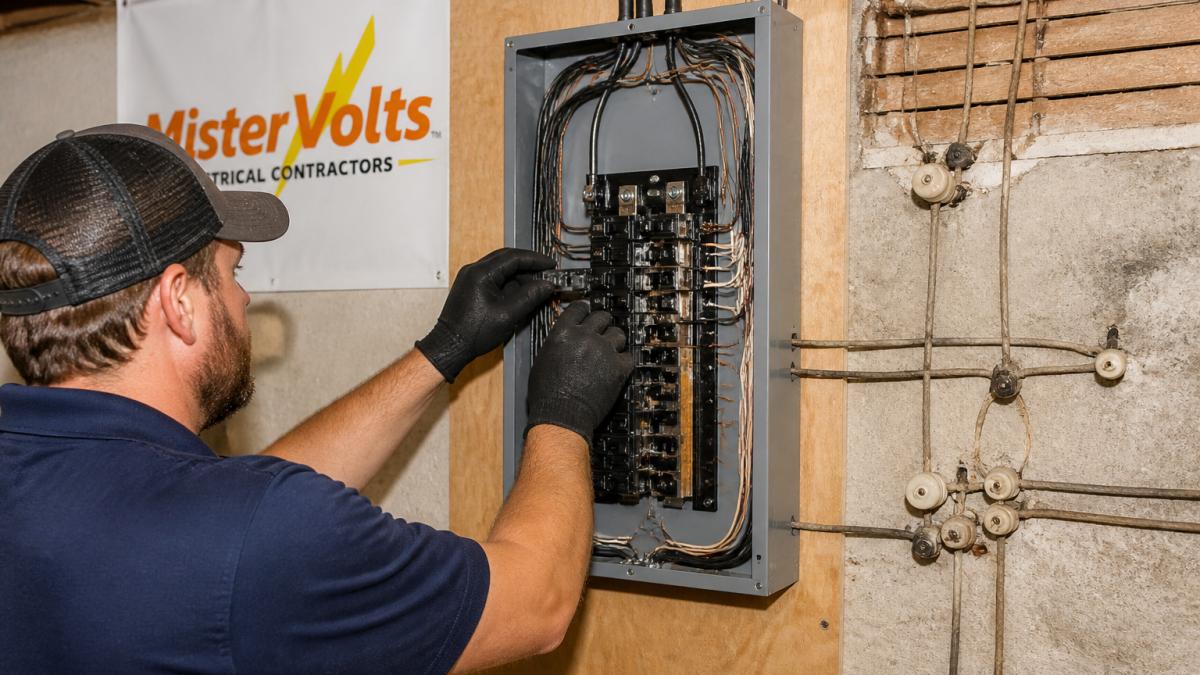
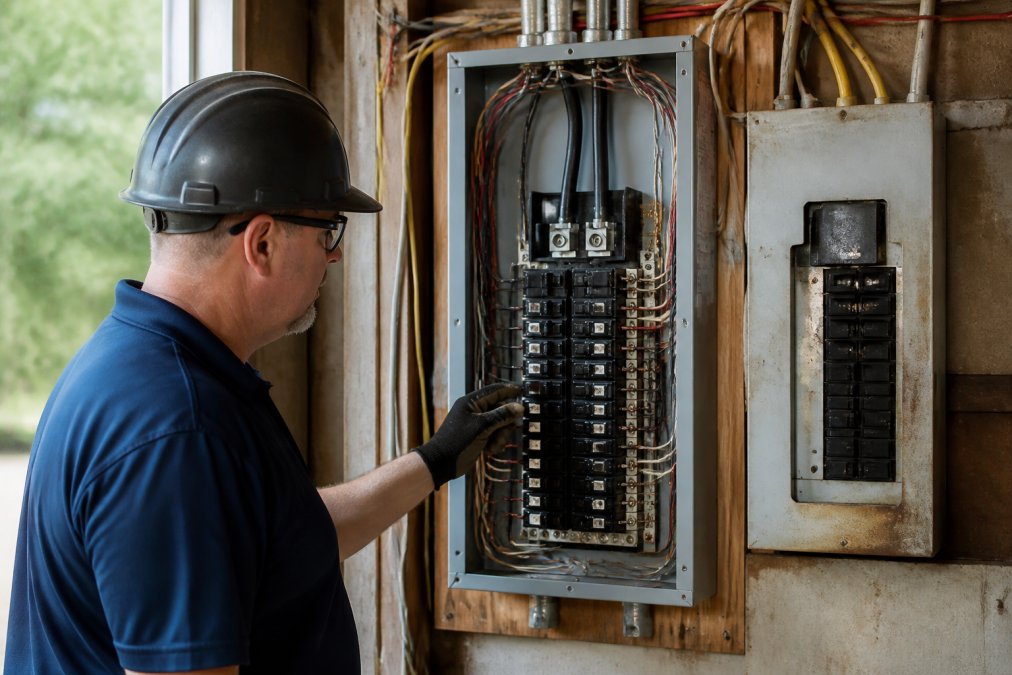
An electrical panel upgrade typically involves replacing your home's main service panel, the component that distributes electrical power throughout your property. The cost of residential electrical panel upgrades 2026 varies significantly based on amperage, existing infrastructure, and local labor rates. Most homeowners should expect to invest between several thousand dollars for a straightforward 100-amp to 200-amp conversion, though projects involving extensive rewiring or code compliance work can run considerably higher.
The cost of residential electrical panel upgrades 2026 breaks down into three primary categories: materials, labor, and permitting. Materials include the new panel itself, breakers, grounding and bonding components, and any necessary wiring upgrades. Labor represents the largest expense for most projects, as licensed electricians must safely disconnect the existing system, install the new panel, and ensure full NEC (National Electrical Code) compliance. Permitting and inspection fees vary by jurisdiction but add a fixed cost that cannot be avoided if you want the work completed to code.
When planning your budget, factor in potential complications. Older homes with knob and tube wiring or outdated service entrances may require additional work before the new panel can be installed. Utility company coordination is also essential, most projects require the utility to disconnect and reconnect service, and some utilities charge fees for this work. Understanding these variables upfront helps you avoid surprises during the project.
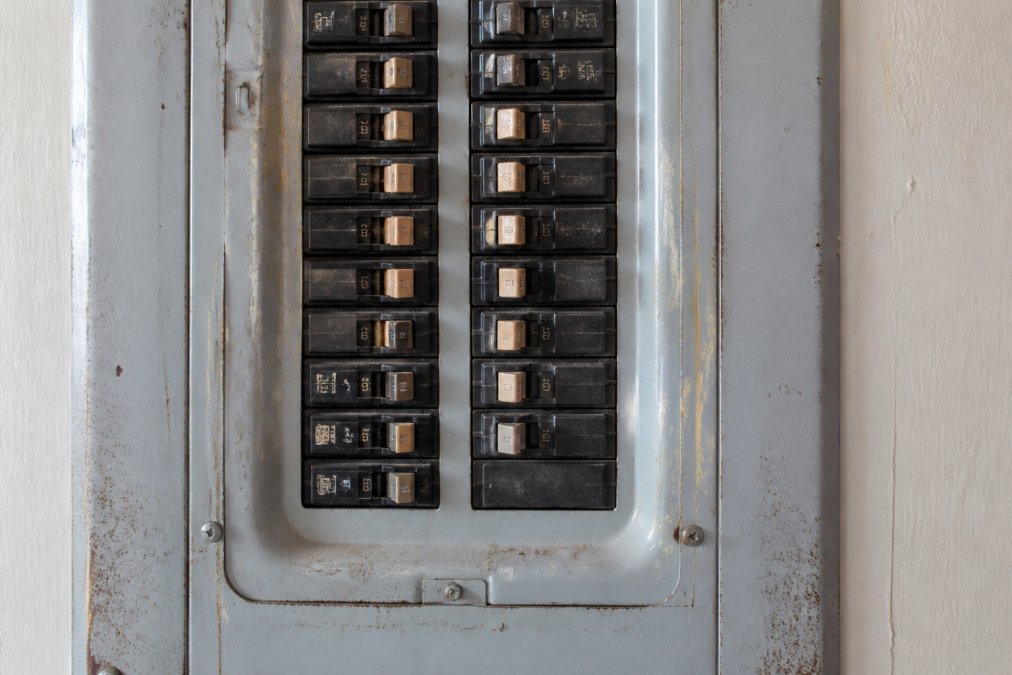
Signs You Need an Electrical Panel Upgrade
Your electrical panel is the nerve center of your home's electrical system. If your panel is showing age or your home's electrical demands have outgrown its capacity, an upgrade becomes necessary rather than optional.
Common warning signs include frequently tripped breakers, flickering lights, or an inability to power new appliances without losing service to other circuits. If you're experiencing multiple breakers tripping simultaneously, that's a clear signal your panel cannot handle your current load. Flickering lights that occur throughout the house suggest voltage drop issues, which means your service entrance cannot deliver consistent power. If you've added major appliances, a new air conditioning system, electric vehicle charger, or hot tub, and your panel lacks available circuits, an upgrade is the only safe solution.
Older homes present a different concern. If your home was built before the 1970s and still uses the original electrical infrastructure, your panel likely operates at 60 or 100 amps. Modern homes typically require 200-amp service to safely handle current electrical loads (nfpa.org). An aging panel also increases fire risk; older breakers can fail to trip when they should, leaving your home vulnerable to electrical hazards.
The age of your panel itself matters. Most panels have a 25- to 40-year lifespan (nfpa.org). If your panel is approaching or exceeding this range, consider an upgrade even if you're not experiencing problems. Waiting until failure occurs can leave you without power and facing emergency service calls at premium rates.
100-Amp vs 200-Amp Service: What's the Difference?
The amperage rating of your electrical panel determines how much total electrical current your home can draw simultaneously. A 100-amp panel supplies 100 amps of electrical current; a 200-amp panel supplies twice that capacity.
The practical difference is straightforward: a 100-amp service can handle fewer simultaneous loads. If you're running your air conditioner, electric water heater, and oven at the same time, a 100-amp panel will likely trip breakers. A 200-amp panel can handle these loads simultaneously without issue. For homes with electric vehicle chargers, modern HVAC systems, or multiple high-demand appliances, 200-amp service is essential.
Most homes built after 1990 come standard with 200-amp service. Older homes typically have 100-amp or even 60-amp panels. If you're planning renovations, adding an EV charger, or simply want to future-proof your home, upgrading to 200-amp service makes sense. The incremental cost difference between a 100-amp upgrade and a 200-amp upgrade is often smaller than you'd expect, making the 200-amp option a better long-term investment.
The amperage also affects your kilowatt capacity. A 100-amp service at 240 volts provides approximately 24 kilowatts of capacity (nfpa.org). A 200-amp service provides approximately 48 kilowatts. For load calculation purposes, this distinction determines whether your home can safely support additional electrical infrastructure.
200-Amp Panel Upgrade Requirements and Load Calculations
Upgrading to a 200-amp panel requires careful planning to ensure your home's electrical infrastructure can support it. The first step is a thorough load calculation, a technical assessment of your home's maximum electrical demand.
A load calculation considers every circuit in your home: lighting, outlets, appliances, heating and cooling systems, and any planned additions like EV chargers. Licensed electricians use NEC guidelines to calculate your home's total load in kilowatts, then determine the amperage needed to safely supply that load. This isn't guesswork, it's a code-required calculation that determines whether a 200-amp panel is sufficient or whether you need even higher capacity.
Your service entrance, the wiring and conduit connecting your meter to your panel, must be sized appropriately for 200-amp service. Older homes often have undersized service entrance wiring, which means upgrading the panel alone isn't enough. The wiring gauge must support 200-amp current without excessive voltage drop. If your service entrance is too small, it must be replaced, adding cost and complexity to your project.
The utility company plays a role here as well. Your utility's transformer and service lines must be capable of delivering 200-amp service to your home. In some cases, utility upgrades are necessary before your panel can be upgraded. Coordinating with your utility early in the planning process prevents delays and unexpected costs.
Grounding and bonding requirements become more critical with higher amperage. Your panel must be properly grounded to earth, and all metal components must be bonded together to create a safe path for fault current. This work must meet current NEC standards and pass inspection.
Knob and Tube Wiring Replacement Cost and Safety Concerns
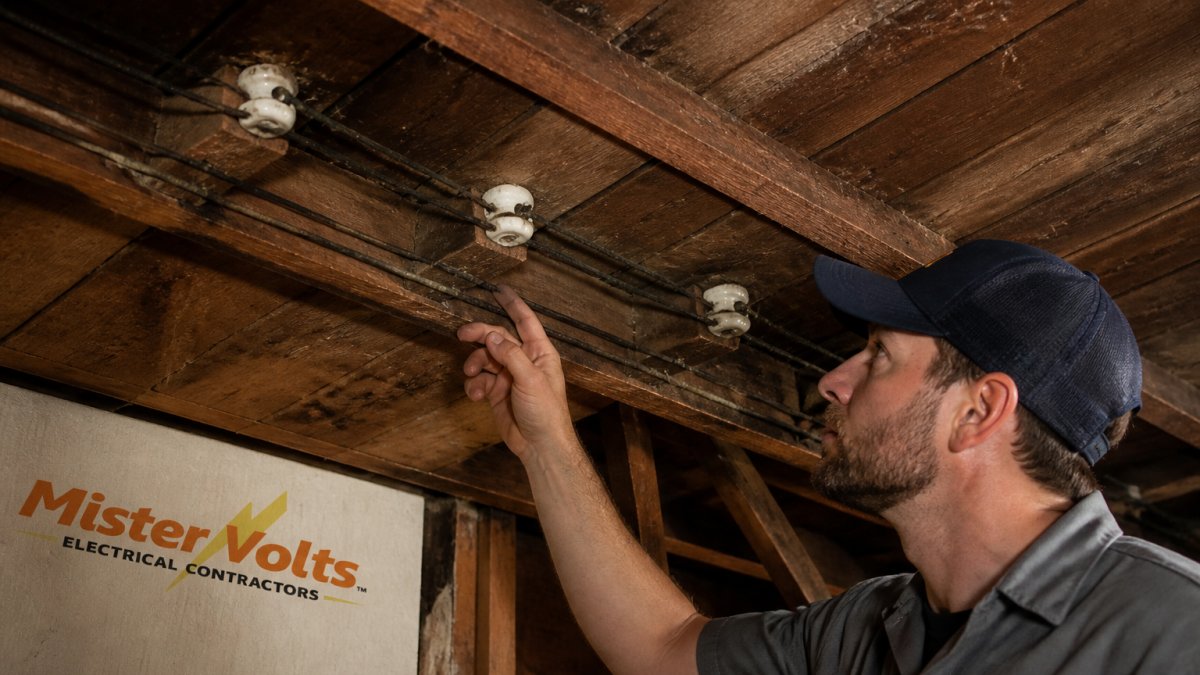
Knob and tube wiring is an outdated electrical system found in many homes built before 1950. It consists of individual copper wires run through ceramic knobs and tubes, with no protective sheathing. If your home still has knob and tube wiring, replacing it is not optional, it's a safety imperative.
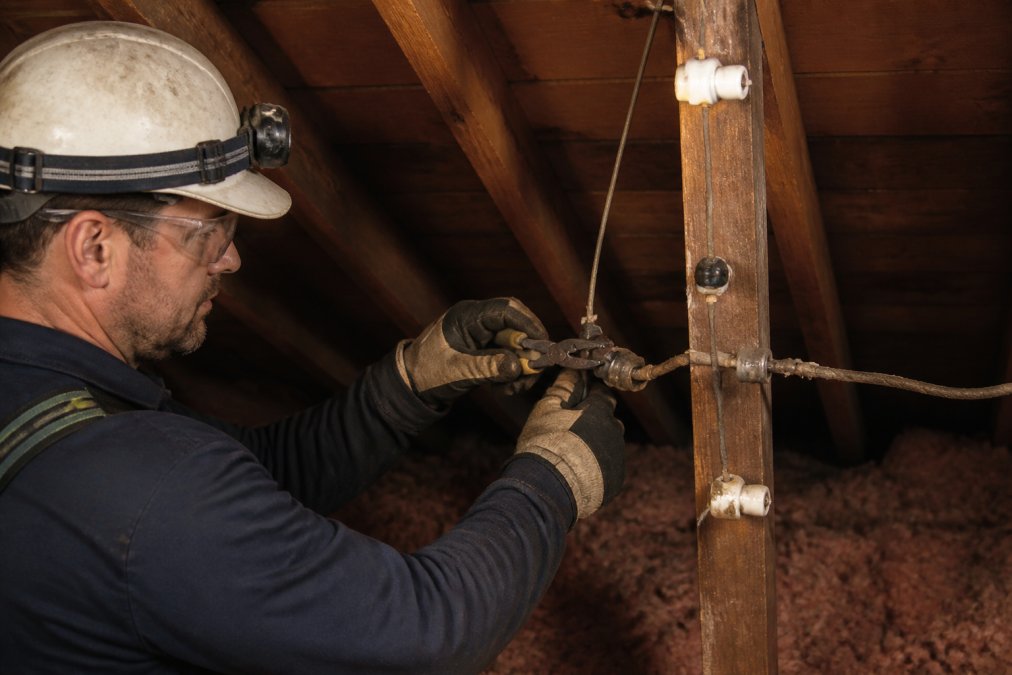
Knob and tube wiring presents multiple hazards. The wiring has no ground wire, so it cannot safely power modern appliances or provide protection against electrical shock. The insulation deteriorates over time, increasing fire risk. Insurance companies often refuse to insure homes with active knob and tube wiring, or they charge significantly higher premiums. Lenders may decline to finance properties with this wiring still in place.
Replacing knob and tube wiring typically requires rewiring the entire home. This is labor-intensive work because the old wiring must be carefully removed and new wiring installed in walls, ceilings, and crawl spaces. In many cases, walls must be opened to access the old wiring, adding to the project scope.
The cost of replacing knob and tube wiring depends on your home's size and layout. Smaller homes or those with accessible attics and basements cost less to rewire than larger homes with complex layouts. Some homeowners choose to replace only the most critical circuits initially, then phase in additional rewiring over time. However, most electricians and building officials recommend a complete rewiring to ensure consistent safety throughout the home.
This work must be completed by licensed electricians and pass electrical inspection. Building permits are required, and the project must meet current NEC standards. If you're planning an electrical panel upgrade and your home has knob and tube wiring, budget for complete rewiring as part of the overall project.
Labor, Permits, and Timeline for Panel Replacement
The labor component of your electrical panel upgrade cost represents the largest expense for most homeowners. Licensed electricians charge for their expertise, time, and the responsibility they assume for code-compliant work. The complexity of your project, whether it involves service entrance upgrades, rewiring, or utility coordination, directly affects labor hours and cost.
Most panel replacement projects take one to three days for a licensed electrician to complete, depending on scope. A straightforward panel replacement in a home with accessible electrical infrastructure might take a single day. Projects involving service entrance work, extensive rewiring, or utility coordination can stretch to three days or longer. Rush jobs or projects requiring work outside standard business hours typically incur additional charges.
Permitting is mandatory for any panel upgrade. Your local building department requires a permit before work begins, and an electrical inspector must approve the work before the utility reconnects service. Permit fees vary by jurisdiction and project scope. Some municipalities charge a flat fee; others charge based on the estimated project value. Building permits typically take one to two weeks to obtain, though expedited permits are sometimes available for an additional fee.
The timeline for your entire project, from planning to final inspection, typically spans four to eight weeks. This includes time to obtain permits, schedule the electrician, complete the work, and pass inspection. Utility company scheduling can add time; some utilities require advance notice and may have limited availability for service disconnection and reconnection.
Mister Volts provides professional, code-compliant electrical services for residential, commercial, and industrial clients. Our licensed electricians provide dependable, high-quality solutions tailored to your project, ensuring every property we service remains safe, efficient, and fully operational.
Modern Upgrades: EV Charging and Smart Panel Integration
Today's electrical panel upgrades often include provisions for technologies that didn't exist a decade ago. Electric vehicle chargers and smart panel systems represent the future of residential electrical infrastructure, and planning for these upgrades now prevents costly retrofits later.
Installing an EV charger requires significant electrical capacity. A Level 2 home charger typically draws 30 to 50 amps, which means your panel must have available circuits and sufficient overall amperage. If you're planning to buy an electric vehicle, coordinate this with your panel upgrade. A 200-amp service provides ample capacity for an EV charger plus all other home systems. A 100-amp panel may struggle if you add an EV charger, making a 200-amp upgrade the practical choice for EV owners.
Smart panel technology allows homeowners to monitor and control electrical usage in real time. These systems provide circuit-level data on energy consumption, helping identify which appliances or systems use the most power. Some smart panels integrate with home automation systems, allowing remote control of circuits or automated load management during peak pricing periods. If your utility offers time-of-use rates, a smart panel can shift high-demand loads to off-peak hours, reducing your electricity costs.
Surge protection has also evolved. Modern panels can include surge protection at the main level, protecting your entire home's electrical system from power surges caused by lightning, utility switching, or other events. This prevents damage to sensitive electronics and appliances throughout your home.
Planning for these modern upgrades during your panel replacement is far more cost-effective than adding them later. Discuss EV charging, smart panel capabilities, and surge protection with your electrician during the planning phase. These additions may increase your initial investment modestly but provide long-term benefits and future-proof your home's electrical infrastructure.
Upgrading your home's electrical panel is a significant investment, but it's also one of the most important upgrades you can make for safety, capacity, and future-readiness. Whether you're addressing aging infrastructure, planning an EV charger installation, or simply ensuring your home can handle modern electrical demands, a professional panel upgrade protects your investment and keeps your family safe.
The cost of residential electrical panel upgrades 2026 reflects the complexity of modern electrical systems and the expertise required to upgrade them safely. Licensed electricians like those at Mister Volts bring code knowledge, permitting experience, and the technical skill to handle complications that arise during the project. When you're ready to upgrade your panel, get multiple quotes from licensed professionals in your area, ensure they're familiar with current NEC requirements, and verify they handle permitting and inspection coordination. A properly executed upgrade will serve your home reliably for decades to come.
Frequently Asked Questions
How much should a 200-amp panel upgrade cost in 2026?
The total cost for a 200-amp panel upgrade depends on your home's existing infrastructure, local labor rates, permit fees, and whether you need additional work like knob and tube wiring replacement or utility company coordination. Material costs for the panel itself range based on quality and features, while labor typically represents 40-60% of the total project expense. For an accurate quote tailored to your specific situation, contact Mister Volts for a professional assessment of your home's electrical needs.
What factors influence the total cost of an electrical panel upgrade?
Key cost drivers include amperage upgrade (100-amp to 200-amp costs more than minor upgrades), existing wiring condition (knob and tube wiring requires replacement before panel installation), permit and inspection fees, utility company fees for service entrance work, and whether your home needs grounding and bonding upgrades to meet NEC code compliance. Labor rates vary by region and project complexity. Additional work like sub-panel installation or EV charger integration increases the final bill. A licensed electrician can identify all necessary upgrades during an initial inspection.
Is upgrading to a 200-amp panel necessary for modern home appliances?
Modern homes with central air conditioning, electric heat, multiple large appliances, and planned EV charging typically require 200-amp service to handle the total load without circuit breaker trips or voltage drop issues. Load calculation determines your actual amperage needs based on kilowatt capacity demands. If your current 100-amp panel shows signs of stress, flickering lights, or frequent tripped breakers, a 200-amp upgrade provides the system capacity for today's electrical infrastructure and future additions.
Does an electrical panel upgrade require a permit and inspection?
Yes. All residential electrical panel upgrades require a building permit and electrical inspection to ensure NEC (National Electrical Code) compliance and protect your home's safety. Permit fees vary by jurisdiction but are typically a separate line item in your project budget. The inspection verifies proper grounding and bonding, correct breaker sizing, and safe installation of the main breaker and service entrance. Licensed electricians handle permit applications and coordinate with local electrical inspectors as part of their service.
How long does an electrical panel upgrade take to complete?
A straightforward 200-amp panel replacement typically takes 1-3 days, depending on your home's existing wiring condition and whether additional upgrades are needed. If knob and tube wiring replacement is required, the project extends to several days. Permit processing adds time before work begins. Utility company coordination for service entrance work may add 1-2 weeks to the overall timeline. Your licensed electrician can provide a realistic project schedule after inspecting your electrical system.
What's the difference between a main breaker and a main lug panel?
A main breaker panel includes a main disconnect switch built into the panel itself, providing a single point to shut off all power to your home. A main lug panel requires a separate disconnect switch elsewhere in your home. Main breaker panels are now the standard for residential installations and meet current NEC code requirements. Main lug panels are typically used only for sub-panels or in specific commercial applications. When upgrading your service entrance, a main breaker panel is the modern, code-compliant choice.
Are there tax credits or rebates available for electrical panel upgrades?
Some upgrades may qualify for federal tax incentives or utility company rebates, particularly if your work includes EV charger installation or energy-efficient improvements. Tax credit eligibility depends on the specific work performed and your home's characteristics. Utility company programs vary by region and may offer rebates for certain electrical efficiency upgrades. Ask your licensed electrician about available incentives for your project, and consult your tax professional to determine what credits apply to your situation.