 ultimate-guide
Electrical System Upgrade: A 2026 Guide
Table of Contents
- What Is an Electrical System Upgrade?
- Signs You Need a New Electrical Panel
- 100 Amp vs 200 Amp Service: What You Need
- Knob and Tube Wiring Replacement Cost
- EV Chargers, Heat Pumps, and Modern Load Demands
- The Electrical Upgrade Process: What to Expect
- DIY vs. Professional Scope: When to Call a Licensed Electrician
- Frequently Asked Questions
Last Updated: September 1, 2026
What Is an Electrical System Upgrade?
An electrical system upgrade is the process of replacing or expanding your home's electrical infrastructure to handle increased power demands, improve safety, or modernize outdated wiring. This typically involves upgrading the main electrical panel (also called the load center), rewiring portions of your home, and ensuring all components meet current National Electrical Code standards.
Most homeowners pursue an electrical system upgrade because their current system can't support modern appliances and technology, aging wiring poses fire or shock hazards, or they're adding significant new loads like electric vehicle chargers or heat pumps. The right time to upgrade is before you need it, preventing dangerous situations and positioning your home for future technologies.
Signs You Need a New Electrical Panel
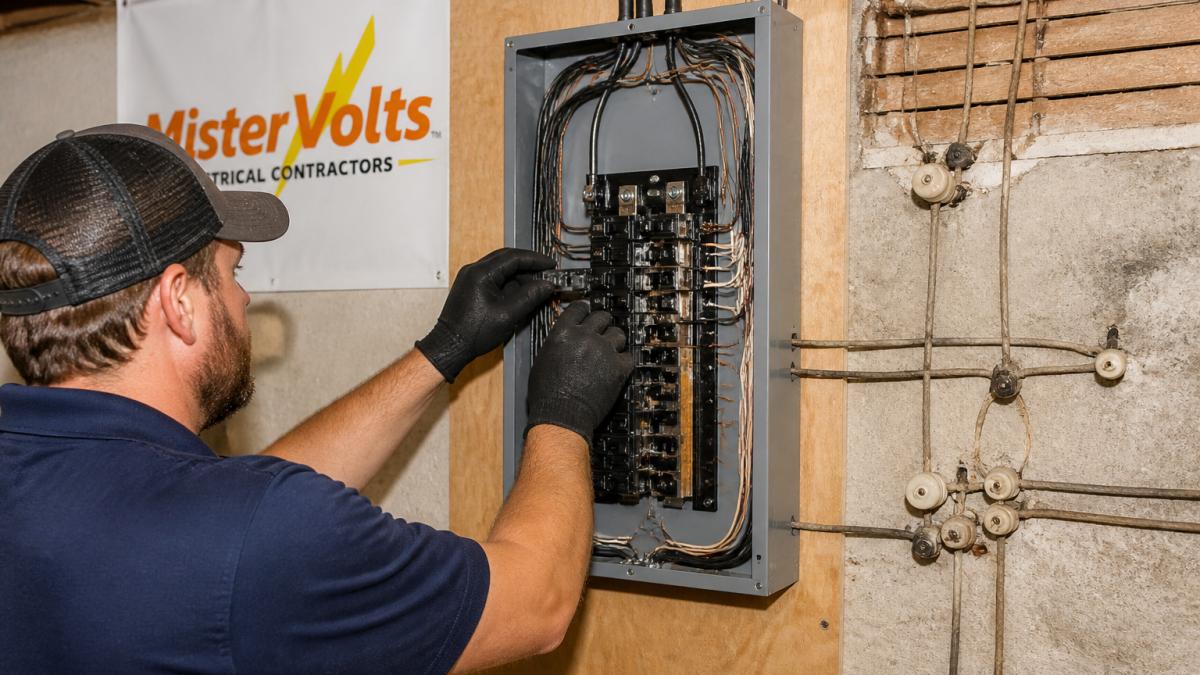
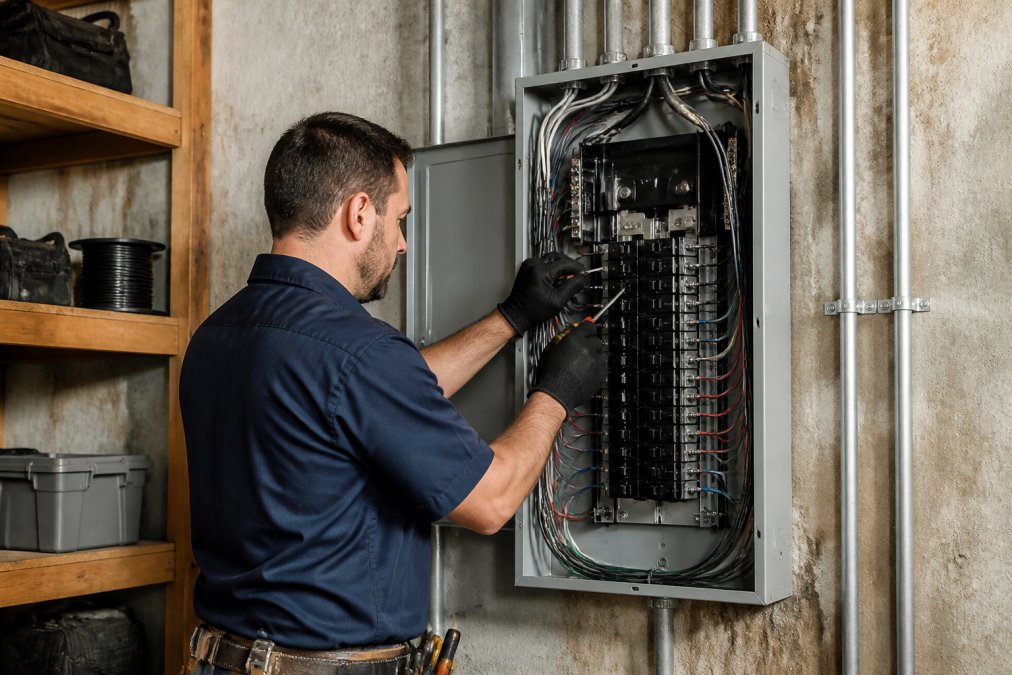
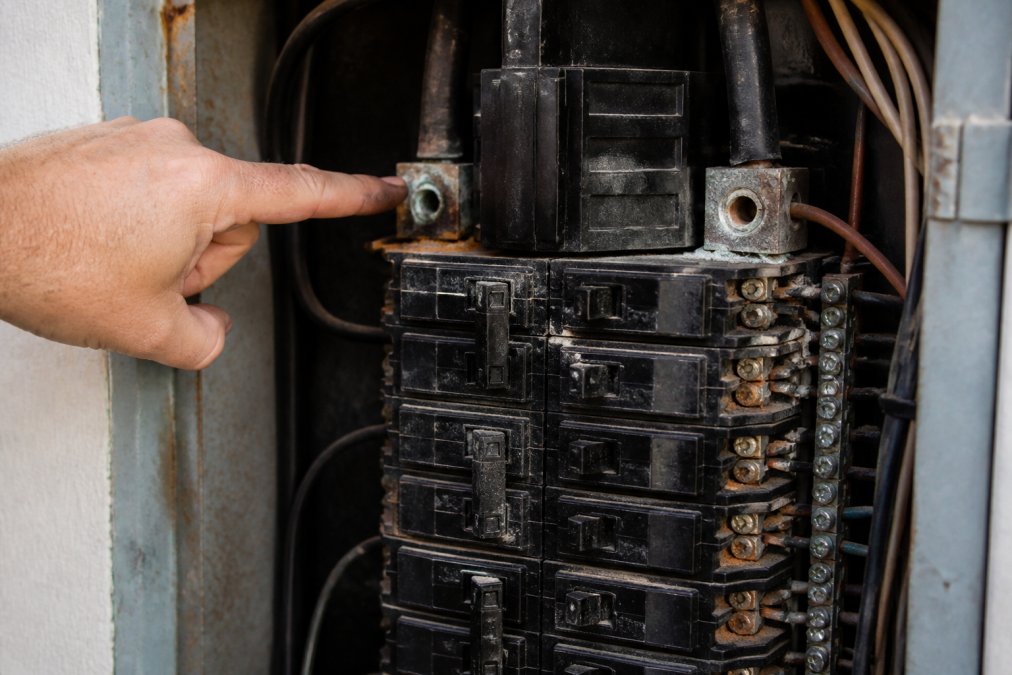
The electrical panel is your home's central distribution point. It receives power from the utility provider and divides it into individual circuits protected by breakers. When your panel is undersized, outdated, or failing, clear warning signs demand attention.
Flickering lights and frequent breaker trips
Flickering lights signal that your panel is struggling to deliver consistent voltage. When you plug in a high-demand appliance like a dishwasher or clothes dryer, lights flicker because voltage drops momentarily. This stresses your appliances and shortens their lifespan.
Frequent breaker trips are more serious. A breaker should trip only during genuine electrical faults or dangerous overloads. If your breaker trips regularly during normal use, your panel can't handle your home's actual power consumption. The fix isn't to keep resetting the breaker, that creates fire risk. You need an electrical system upgrade that increases your panel's capacity and redistributes loads across additional circuits.
Outdated wiring and electrical hazards
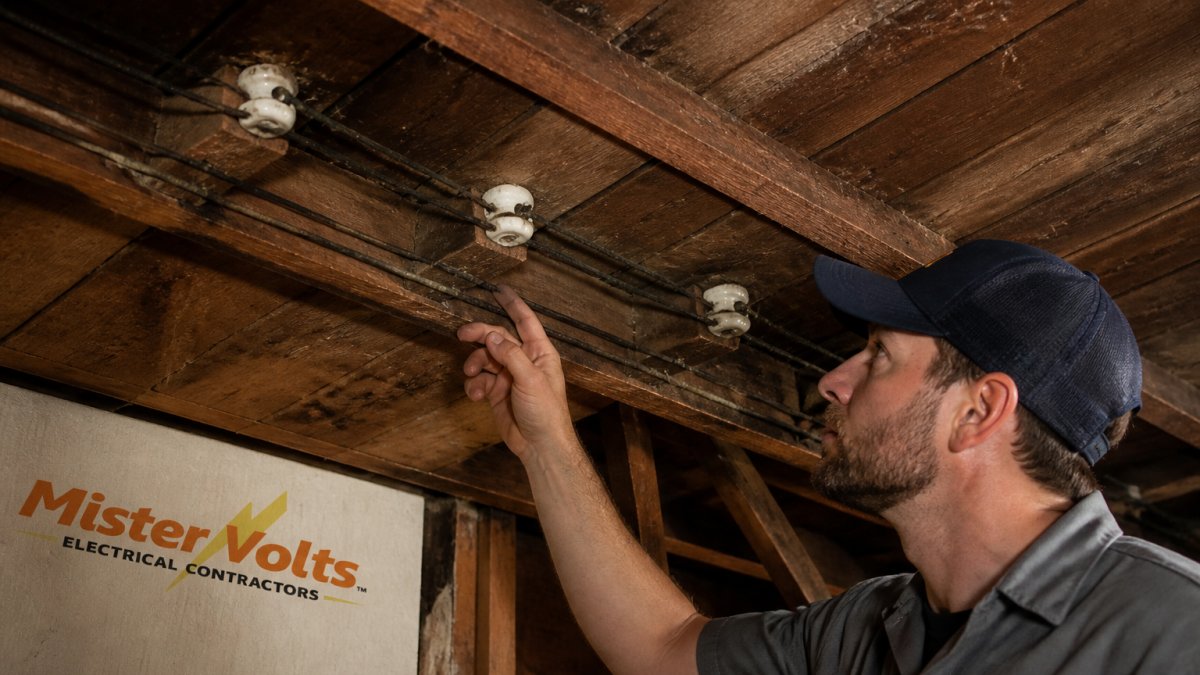
Homes built before the 1970s often contain knob and tube wiring, a system now considered a major fire hazard. The insulation deteriorates over decades, leaving bare wire exposed. Insurance companies frequently refuse to cover homes with knob and tube wiring until it's replaced.
Aluminum wiring, common in homes built in the 1960s and early 1970s, presents its own dangers. Aluminum expands and contracts differently than copper, creating loose connections that overheat and can ignite. A modern electrical system upgrade replaces these hazardous wiring systems with copper wire that meets current code standards. According to the National Fire Protection Association, electrical failures cause over 50,000 fires annually. Many originate in outdated electrical systems that haven't been upgraded.
100 Amp vs 200 Amp Service: What You Need
The amperage rating of your electrical panel determines how much total current your home can use simultaneously. A 100 amp panel was standard for homes built through the 1970s but is typically undersized for modern homes. If you're planning to add central air conditioning, electric heating, an EV charger, or a heat pump, a 100 amp service will struggle or fail.
A 200 amp panel is the current standard for new residential construction and is strongly recommended for any electrical system upgrade in an existing home. It provides ample capacity for today's appliances and leaves room for future additions. The difference in cost between upgrading to 100 amp versus 200 amp is minimal, since the primary expense is labor and permitting, not the panel itself.
Load calculation, the process of determining your home's actual power demands, guides this choice. A licensed electrician will assess your current and planned appliances, calculate kilowatt requirements, and recommend the appropriate amperage. During an electrical system upgrade, the added security and future-proofing of 200 amp service is almost always worth it.
Knob and Tube Wiring Replacement Cost
Knob and tube wiring replacement is often the most expensive component of a comprehensive electrical system upgrade, primarily because of labor intensity. The wiring runs through your walls, and accessing it often requires opening walls, ceilings, or attics. Complete replacement in a full-size home can involve hundreds of feet of wire and thousands of connection points.
The actual cost depends on several factors: the size of your home, how much of the original wiring remains in use, whether you need wall repairs after removal, and local labor rates. A critical point: partial knob and tube replacement is risky. If you replace some circuits but leave others, you've created a mixed system with inconsistent safety standards. A proper electrical system upgrade addresses all hazardous wiring.
EV Chargers, Heat Pumps, and Modern Load Demands
The rise of electric vehicles and heat pump heating systems has fundamentally changed what an electrical system upgrade must accomplish. An EV charger typically requires 30-50 amps dedicated to that circuit alone (fcc.gov). A heat pump can demand 40-60 amps (energy.gov). If you're planning either installation, your electrical system upgrade must account for them during the panel redesign.
Smart panel technology is emerging as part of modern electrical system upgrades. These panels include load management features that prioritize power distribution during peak demand periods. If you have both an EV charger and a heat pump competing for power, a smart panel can manage the load intelligently. Any electrical system upgrade must comply with current NEC standards, including dedicated circuits for high-demand devices, proper arc fault protection, and GFCI outlets where required.
The Electrical Upgrade Process: What to Expect
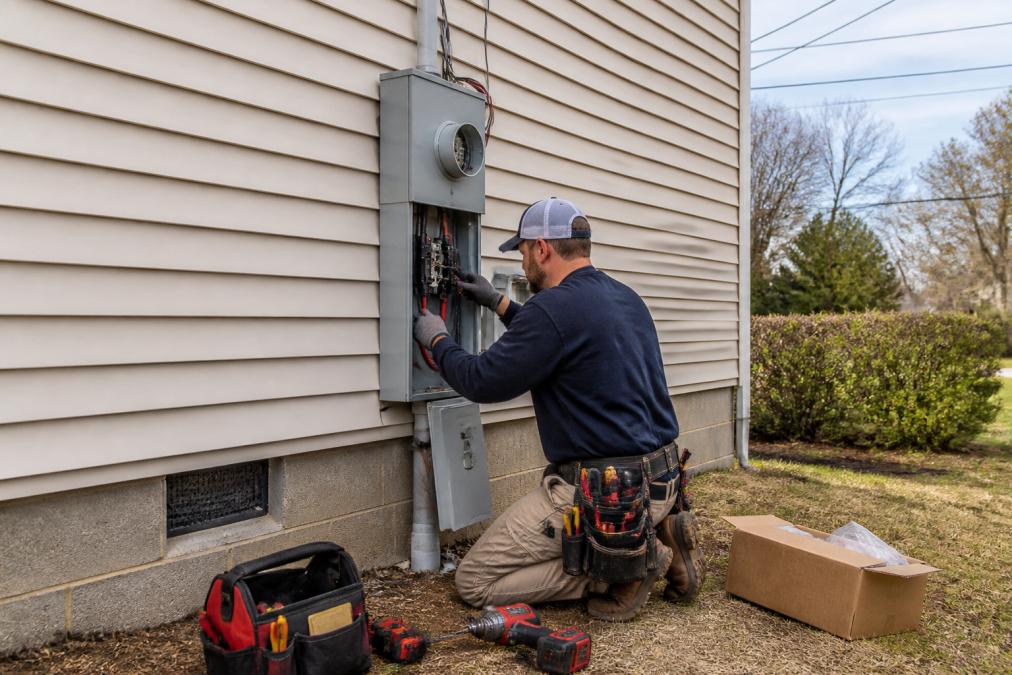
An electrical system upgrade follows a structured process that ensures safety, legal compliance, and proper workmanship.
Inspection and load calculation
The process begins with a thorough inspection of your existing electrical system. A licensed electrician examines your current panel, wiring, breakers, and outlets to identify hazards, capacity limits, and code violations.
Load calculation follows the inspection. Your electrician documents every appliance and fixture in your home, HVAC systems, water heaters, ovens, dryers, lighting, and any planned additions like EV chargers or heat pumps. Each device is assigned a kilowatt demand, and these are totaled to determine your home's actual power consumption. This calculation ensures the new panel is sized correctly and that circuits are distributed logically.
Permitting and code compliance
Before any work begins, your electrical system upgrade requires a permit from your local building department. The permit ensures that the work will be inspected and must comply with current code. Your electrician submits the permit application with detailed plans showing the new panel layout, circuit distribution, and any rewiring work. Code compliance isn't bureaucratic overhead, it's what keeps your home safe. Every requirement in the code reflects lessons learned from past failures.
Installation and final inspection
Installation begins with the utility company's coordination. Power to your home may be temporarily shut off while the meter base and main breaker are replaced. The actual replacement of the panel typically takes one day for straightforward upgrades, though complex rewiring projects may span multiple days.
During installation, the old panel is carefully disconnected and removed. The new panel is installed in the same location (or a new location if required by code). All circuits are connected to new breakers, and the meter base is updated if needed. Grounding and bonding are verified to ensure safety. Once installation is complete, the building inspector performs a final inspection to verify that the panel is installed correctly, all connections are tight and properly made, and the work matches the approved plans. If the inspection passes, you receive a certificate of compliance.
DIY vs. Professional Scope: When to Call a Licensed Electrician
Electrical work involves live power, and mistakes can be fatal. Insurance policies typically exclude coverage for DIY electrical work, meaning if something goes wrong, you're liable for all damages and injuries.
Building permits require a licensed electrician's signature. The building department won't issue a permit for DIY panel work, and if you proceed without a permit, you're violating local code. When you sell your home, unpermitted electrical work will be discovered, and you'll be forced to hire a licensed electrician to bring it into compliance at greater cost.
There are limited tasks a homeowner can safely handle: replacing an outlet or switch (with the breaker off), adding a light fixture to an existing circuit, or painting around an electrical panel. Anything involving the panel itself, new circuits, or rewiring requires a licensed electrician.
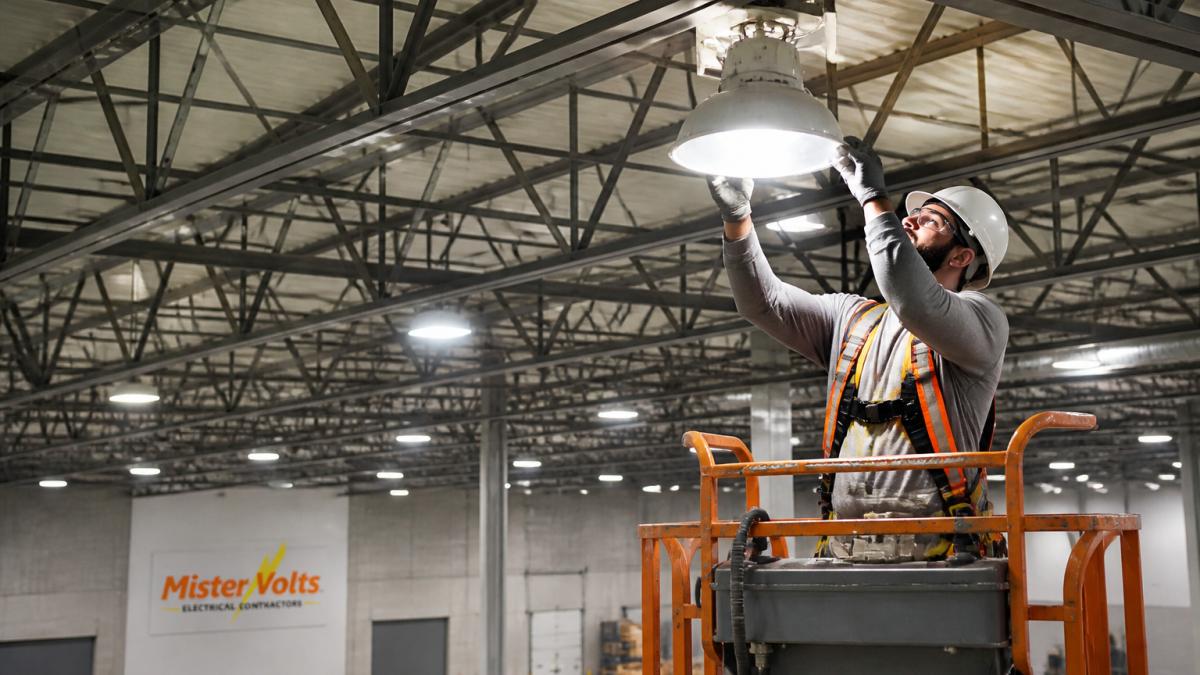
An electrical system upgrade is one of the most important investments you can make in your home. It improves safety, eliminates power limitations, and positions your home for the technologies of the next decade. Mister Volts has the expertise to handle every phase of your electrical system upgrade, from initial inspection and load calculation through final inspection. Contact us for a professional assessment of your home's electrical needs.
Frequently Asked Questions
Q: What are the main signs that my home needs an electrical system upgrade?
A: Common indicators include frequently tripping circuit breakers, flickering or dimming lights during peak usage, outlets that feel warm to the touch, buzzing sounds from the panel, and visible signs of age like knob and tube wiring. If your home is over 40 years old or you're adding major appliances like an EV charger or heat pump, an upgrade is often necessary. A licensed electrician can perform a load calculation and inspection to confirm whether your current system can handle your electrical demands.
Q: How much does knob and tube wiring replacement cost?
A: Knob and tube wiring replacement is typically one of the costlier upgrades because it often requires rewiring much of the home's electrical infrastructure. Costs depend on the square footage of your home, the extent of the existing wiring, local labor rates, and whether walls need to be opened. Your best approach is to request a detailed quote from a licensed electrician who can assess your specific situation. Mister Volts provides competitive quotes for full rewiring projects and can explain the scope of work required.
Q: Do I need to upgrade from 100 amp to 200 amp service?
A: Whether you need to upgrade from 100 amp to 200 amp service depends on your home's age, size, and electrical demands. Homes built before the 1980s often have 100-amp panels, which may be insufficient for modern appliances, heating systems, air conditioning, and especially EV chargers or heat pumps. A load calculation performed by a licensed electrician will determine your actual capacity needs. If you're planning renovations, adding an EV charger, or installing a heat pump, upgrading to 200 amps is often recommended to future-proof your electrical infrastructure.
Q: What's involved in the electrical upgrade process?
A: The process typically includes: an initial inspection and load calculation to determine your needs, obtaining permits from your local authority, disconnecting the old service, installing new meter base and main breaker components, running new wiring if needed, and scheduling a final inspection by your utility provider and local inspector. The timeline varies depending on the complexity of your upgrade and whether rewiring is required. Licensed electricians handle all code compliance and permitting requirements to ensure your electrical system meets National Electrical Code standards.
Q: Can I install an EV charger or heat pump with my current electrical panel?
A: Many existing 100-amp panels cannot safely support an EV charger or heat pump without an upgrade. EV chargers typically require 30-60 amps, and heat pumps demand significant capacity as well. If you're planning to add either of these modern appliances, have a licensed electrician assess your current panel's available capacity. In most cases, upgrading to 200 amps or installing a subpanel provides the necessary capacity while maintaining safety and code compliance. Smart panel technology can also help manage multiple high-demand loads efficiently.
Q: What does the National Electrical Code require for service upgrades?
A: The National Electrical Code (NEC) sets standards for electrical installations, including grounding, bonding, arc fault protection (AFCI), and ground fault circuit interrupter (GFCI) requirements. Service upgrades must include proper sizing of the main breaker, adequate grounding to prevent electrical hazards, and compliance with current safety standards. Local building codes may have additional requirements. All work must be permitted and inspected by your local authority. Licensed electricians ensure every upgrade meets or exceeds NEC requirements to keep your home safe and insurable.
Q: Should I attempt an electrical system upgrade myself?
A: Service panel upgrades, rewiring, and work at the service entrance involve significant electrical hazards and must be performed by licensed electricians. These tasks require specialized knowledge of load calculations, code compliance, permitting, and inspection requirements. Attempting DIY work on your main electrical system can result in fire hazards, electrocution risk, code violations, and voided insurance coverage. Minor tasks like replacing outlets or switches may be appropriate for experienced homeowners, but any work involving the panel, meter base, or service entrance should always be left to a professional.