 listicle
Expert Electrical Maintenance for Hospitality: A 2026 Guide
Table of Contents
- Why Hospitality Properties Need Specialized Electrical Maintenance
- The True Cost of Downtime vs. Proactive Care
- NEC Electrical Code Requirements for Hospitality Facilities
- Commercial Electrical Preventative Maintenance Checklist
- Electrical Safety Inspection for Commercial Kitchens
- Integrating Smart Building Tech and Backup Power
- Staff Training and Safety Protocols That Prevent Incidents
- Conclusion
- Frequently Asked Questions
Last Updated: September 7, 2026
Why Hospitality Properties Need Specialized Electrical Maintenance
A hotel or resort cannot afford a mid-stay power failure, making electrical maintenance a distinct discipline rather than a general contractor task. Hospitality facilities run continuous operations where the electrical infrastructure supports guest safety, food service, and brand reputation simultaneously. Expert electrical maintenance and repairs for hospitality services require electricians who understand occupancy loads, 24-hour uptime demands, and the building codes governing places of public accommodation.
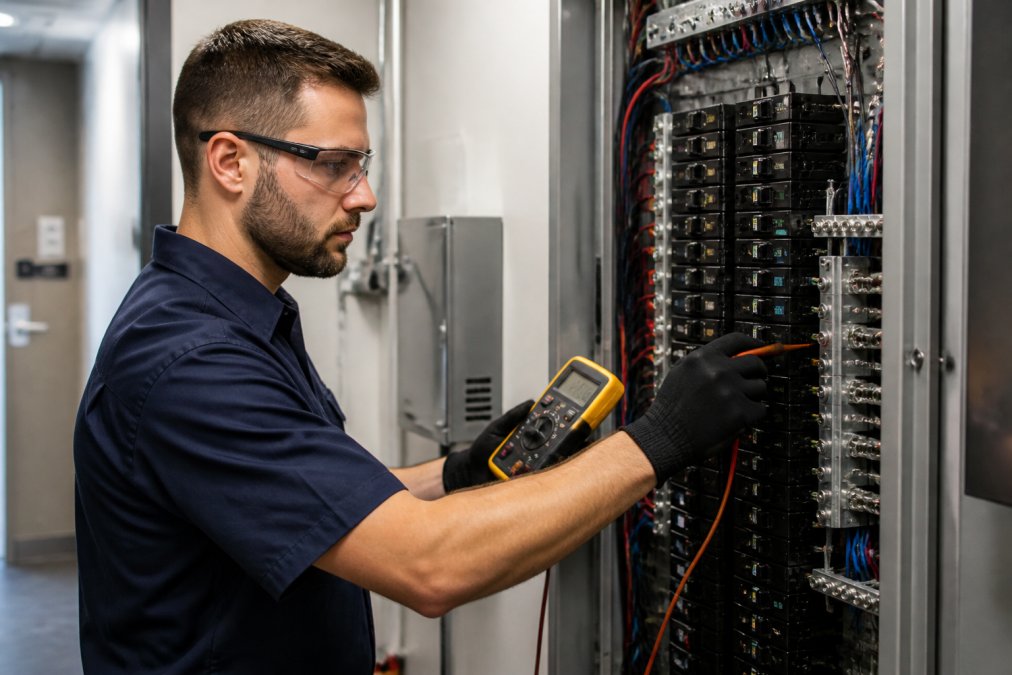
At Mister Volts, our licensed electricians approach hospitality properties differently than standard commercial calls. The stakes shift when a lobby blackout, kitchen breaker trip, or elevator failure directly impacts paying guests and online reviews. Electrical maintenance in this sector is the structured practice of inspecting, testing, and servicing distribution systems, panels, and safety devices to prevent failures before they interrupt service.
The True Cost of Downtime vs. Proactive Care
Reactive repairs almost always cost more than scheduled maintenance, yet many facility managers still call an electrician only after something fails. The real expense of downtime extends beyond the service invoice: a banquet hall without power loses revenue for every hour it sits dark, and a kitchen that fails a health inspection faces fines and closure risk.
A proactive approach shifts spending from emergency call-outs to planned preventative maintenance. Budgeting for routine inspections, thermal imaging scans, and panel servicing delivers predictable costs rather than surprise failures. Facilities that follow a consistent schedule also extend the asset lifecycle of breakers, transformers, and wiring, delaying expensive capital replacements.
Building a Maintenance ROI Model That Survives Budget Review
Hotel general managers and regional facility directors face the same question every budget cycle: what does preventative maintenance actually return on the dollar? The answer requires moving beyond the vague claim that it "saves money" and building a defensible cost model that compares the fully loaded cost of a reactive service call against the amortized cost of a scheduled maintenance hour.
A reactive emergency call typically carries a premium rate, often 1.5 to 2 times the standard hourly rate, plus overtime labor, rush parts shipping, and potential third-party equipment rental (energy.gov). When a ballroom loses power during a booked wedding reception, the property also absorbs comped rooms, refunded event deposits, and negative review recovery. Industry loss estimates commonly place the cost of a single hour of downtime in a mid-size hotel at several thousand dollars.
Scheduled maintenance, by contrast, is a fixed line item. A quarterly inspection contract spreads the cost across the year and bundles travel time, diagnostic testing, and routine parts replacement into a predictable rate. One avoided emergency call often pays for an entire year of scheduled inspections.
The Hidden Cost Multiplier: Asset Lifecycle Extension
Beyond the immediate invoice comparison, preventative maintenance changes the depreciation curve of electrical assets. Circuit breakers, transformers, and switchgear have rated service lives measured in decades, but those ratings assume proper maintenance. Loose connections, accumulated dust, and unchecked thermal stress accelerate component aging, forcing capital replacements that can run into five figures.
A documented maintenance history also strengthens the property's position when equipment does need replacement. Insurance carriers and risk managers increasingly ask for maintenance records before underwriting older commercial buildings. A property that cannot demonstrate regular panel servicing may face higher premiums or denied claims after an electrical fire.
Claiming the ESG Reporting Angle
One angle the typical electrical contractor overlooks is the connection between maintenance quality and sustainability reporting. Hotel chains under pressure to meet corporate ESG targets need accurate energy consumption data, and that data is only as reliable as the electrical infrastructure that produces it. A loose connection increases resistance, wasting energy as heat, while uncalibrated metering skews carbon footprint calculations in annual sustainability disclosures.
Preventative maintenance that includes thermal imaging, connection torque checks, and meter calibration directly supports the accuracy of ESG reporting. Facility managers who frame their maintenance budget as a data-integrity investment rather than a repair expense find it easier to secure approval from sustainability officers and CFOs alike.
NEC Electrical Code Requirements for Hospitality Facilities
The National Electrical Code establishes the baseline for safety in all commercial buildings, and hospitality properties carry additional obligations due to their public occupancy classification. Electrical maintenance must verify that installations remain compliant with current NEC standards, particularly around emergency lighting, exit path illumination, and ground fault protection in wet areas.
Key code areas that demand regular attention in hotels and restaurants include:
- Emergency power systems and backup generators that activate automatically during outages
- Ground fault circuit interrupter protection for bathrooms, kitchens, and outdoor receptacles
- Proper labeling and clearance around electrical panels and service equipment
- Wiring integrity checks in high-heat environments like commercial kitchens
Compliance is not a one-time certification. Building codes evolve, and what passed inspection five years ago may not meet current requirements. Hospitality operators should schedule electrical audits that compare their existing systems against the latest NEC revisions to identify gaps before an inspector does. The National Fire Protection Association publishes the NEC and related fire safety standards that govern these facilities.
The Enforcement Reality: Who Is Watching and What They Check
Hospitality properties face a layered inspection environment that most commercial buildings do not. The local authority having jurisdiction (AHJ) conducts periodic fire and life safety inspections, often annually or biennially. Hotel inspectors check exit path lighting, emergency generator transfer switches, and panel labeling. Restaurant inspectors look for ground fault protection near sinks and the condition of appliance cords. Insurance carriers conduct their own engineering surveys, and a failed survey can trigger a notice of non-renewal.
Each inspector works from a different checklist, but they share one priority: life safety systems must function when called upon. The most common findings include missing or illegible panel schedules, obstructed clearance in front of electrical rooms, and failed emergency lighting tests, maintenance failures that accumulate between inspections.
The 2026 NEC Cycle: What Changed and Why It Matters
The NEC operates on a three-year revision cycle, and the current edition includes provisions that directly affect hospitality properties. Receptacles in guest room bathrooms and public restrooms must have ground fault protection, a requirement that has expanded over successive code cycles. Kitchens require GFCI protection on all receptacles serving countertop surfaces, not just those within six feet of water. The code also tightened requirements around arc-fault circuit interrupters in sleeping areas, reflecting data showing that arc faults cause a significant share of electrical fires in occupancies with high receptacle density.
Properties built under older code editions are not automatically required to retrofit every new provision, but the trigger points matter. A major renovation, a change of occupancy classification, or a significant addition typically requires bringing affected areas up to the current code. A property that replaces its guest room HVAC units or adds a new restaurant wing should expect the inspector to apply current NEC requirements to that work.
Staff vs. Licensed Electrician: The Legal Line
One of the most common compliance failures in hospitality properties is not a wiring defect; it is unlicensed personnel performing work that state law reserves for licensed electricians. The distinction varies by state, but the general pattern is consistent. On-site maintenance staff may replace a light switch, reset a tripped breaker, or plug in equipment. They may not modify a panel, run new circuits, or perform work that requires a permit.
Most states require a licensed electrician for any work that involves altering the permanent wiring of a building. The legal threshold typically hinges on whether the task connects to the fixed electrical system or simply operates a device connected to it. A hotel engineer who replaces a faulty receptacle in a guest room is performing electrical work in most jurisdictions, exposing the property to fines, insurance complications, and liability if a subsequent fire is traced to that work.
The practical rule for hospitality operators: if the task requires turning off a breaker, opening a junction box, or touching a wire nut, it is licensed electrician work. If the task involves plugging in a device or replacing a lamp, staff can handle it. Documenting this distinction in the property's maintenance manual protects the operator and guides engineering teams.
Commercial Electrical Preventative Maintenance Checklist
A commercial electrical preventative maintenance checklist keeps inspections consistent and documented. Without a written schedule, maintenance becomes reactive by default, and small issues escalate into system failures. The most effective programs combine scheduled visual inspections with advanced diagnostic testing.
Recommended maintenance schedule:
| Maintenance Task | Frequency | Primary Goal |
|---|---|---|
| Thermal imaging of panels and connections | Annually | Detect overheating before failure |
| Circuit breaker testing and torque checks | Annually | Ensure proper trip response |
| Emergency lighting and exit sign testing | Monthly | Verify code compliance |
| Backup generator load testing | Monthly | Confirm startup under load |
| Kitchen equipment grounding checks | Quarterly | Prevent shock and fire hazards |
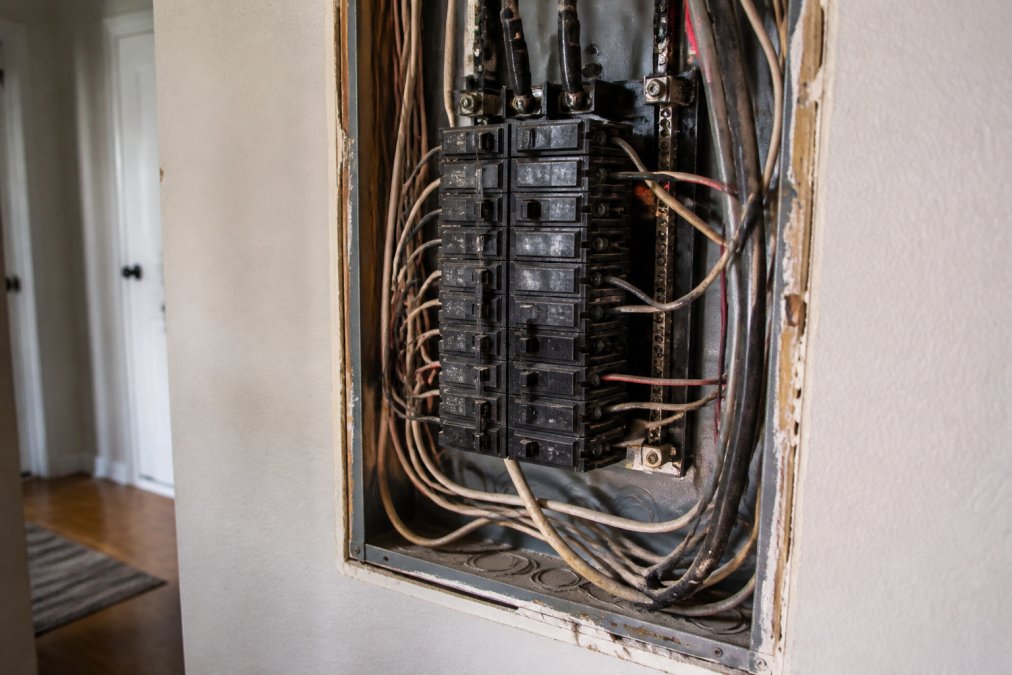
| Electrical panel cleaning and inspection | Annually | Remove dust and identify corrosion |
Documentation matters as much as the work itself. Maintenance logs provide evidence of due diligence for insurance carriers, fire marshals, and liability claims. A facility manager who cannot produce inspection records assumes the risk of proving compliance retroactively.
Electrical Safety Inspection for Commercial Kitchens
Commercial kitchens concentrate electrical hazards in one space: heat, moisture, grease, and heavy appliance loads create conditions that accelerate equipment degradation. An electrical safety inspection for commercial kitchens focuses on the specific risks that standard building checks often miss.
Inspectors should examine appliance cords for cracking or fraying, verify that all equipment has proper grounding, and confirm that dedicated circuits serve high-draw appliances like ovens and dishwashers. Grease accumulation on outlets and junction boxes presents a fire risk requiring regular cleaning. Ventilation hoods, refrigeration units, and cooking equipment each place different demands on the electrical distribution system, and load balancing across phases prevents overheating on any single circuit.
The inspection should also verify that ground fault protection covers all receptacles within six feet of water sources. A failed inspection carries consequences beyond repair costs: it can delay opening, trigger health code violations, or contribute to a fire that shuts down operations entirely.
Integrating Smart Building Tech and Backup Power
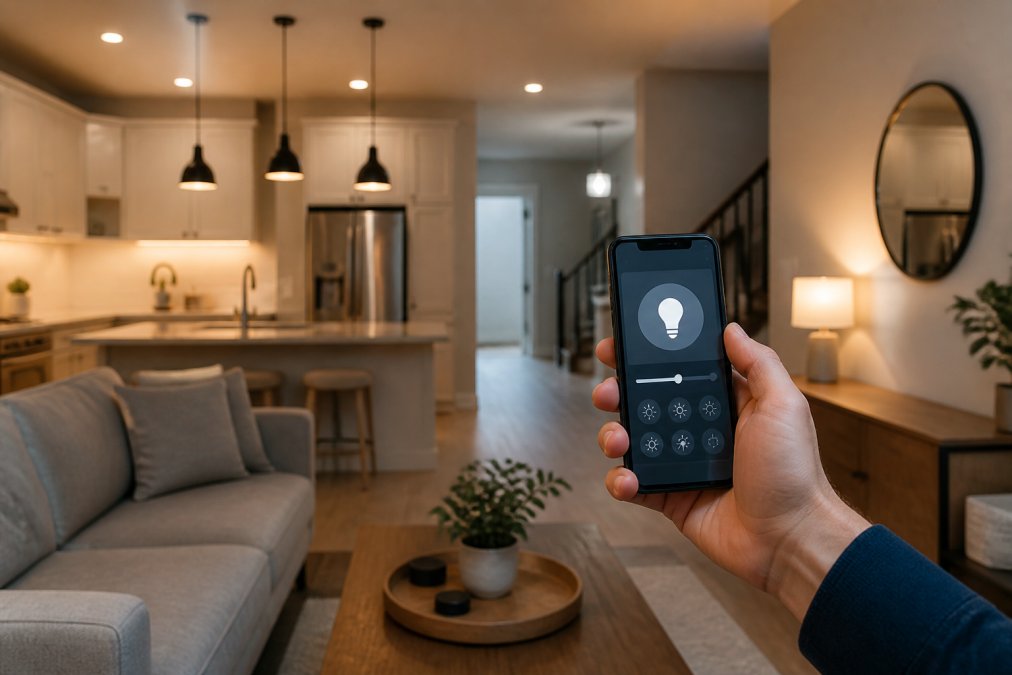
Modern hospitality properties increasingly rely on smart building systems, and those systems depend on stable electrical supply. Occupancy sensors, HVAC controls, networked locks, and IoT monitoring devices all require clean, consistent power to function reliably. Electrical maintenance now includes verifying voltage regulation and surge protection across low-voltage systems that support these technologies.
Backup power integration is the safety net that keeps smart systems operational during outages. A properly maintained generator with automatic transfer switches protects guest room access controls, security cameras, and emergency communications. Regular load testing ensures the generator actually carries the building load when utility power drops, rather than failing under real conditions. The U.S. Department of Energy offers guidance on commercial building energy management and backup power planning that hospitality operators can reference when evaluating their own systems.
Properties tracking energy efficiency for ESG disclosures need accurate metering and monitoring data, which requires calibrated electrical systems and functioning instrumentation.
Staff Training and Safety Protocols That Prevent Incidents
The most thorough maintenance program still depends on staff knowing how to respond to electrical issues. Training front-of-house and engineering teams on basic electrical safety protocols reduces the risk of incidents and ensures problems are reported early rather than hidden.
Housekeeping staff should understand the warning signs of electrical hazards: discolored outlets, warm plates, flickering lights, and burning smells. Engineering staff need clear lockout/tagout procedures before any maintenance work begins. All employees should know how to shut off power to specific areas and when to call a licensed electrician versus attempting a fix themselves.
Documented safety training also strengthens the property's position in liability disputes. A record showing that staff received regular electrical safety instruction demonstrates that management took reasonable precautions to prevent accidents. Safety protocols are not just operational best practice; they are a risk management tool.
Conclusion
Expert electrical maintenance and repairs for hospitality services protect more than wiring; they protect guest safety, revenue continuity, and regulatory standing. A structured preventative maintenance program, anchored to NEC compliance and documented through regular inspections, keeps hospitality properties operational and defensible.
Mister Volts delivers professional, code‑compliant electrical services for residential, commercial, and industrial clients throughout Macon, Perry, Warner Robins, and surrounding Georgia communities. From breaker panel replacements to complete building wiring, our team executes every job with accuracy and professionalism. Request a competitive quote for your property's electrical maintenance and repair needs.
Frequently Asked Questions
What are the three main types of electrical maintenance for commercial properties?
The three main types are preventative, predictive, and reactive maintenance. Preventative maintenance follows a set schedule to service equipment and catch wear before failure. Predictive maintenance uses tools like thermal imaging to assess equipment condition and predict failures. Reactive maintenance addresses breakdowns as they happen. A balanced expert electrical maintenance plan for hospitality relies primarily on preventative and predictive strategies to minimize costly reactive repairs.
How often should hospitality facilities conduct electrical system inspections?
While a licensed electrician should perform a comprehensive inspection at least annually, high-use areas need more attention. Commercial kitchens and laundry rooms, with their heavy equipment and moisture exposure, require quarterly checks. Your preventative maintenance checklist should also include monthly visual checks of breaker panels, outlets, and cords by facility staff. This frequency helps you stay compliant with safety standards and extends the asset lifecycle of your electrical infrastructure.
Why is NEC compliance critical for hospitality electrical systems?
NEC compliance is critical because it protects guests, staff, and your property from electrical hazards like fires and shocks. The code sets the minimum standard for safe installation and maintenance, covering everything from circuit breaker panels to wiring integrity. Following these requirements helps prevent costly downtime, reduces liability, and ensures your facility passes mandatory building code inspections and safety audits.
What should be included in a preventative electrical maintenance plan for hotels?
A robust plan should include a detailed facility map of all electrical distribution panels and circuits. Schedule regular thermal imaging scans to detect overheating components. Test and exercise backup generators monthly to ensure they start under load. Inspect surge protection devices, verify the function of emergency power systems, and document all maintenance logs. This proactive approach is the core of expert electrical maintenance for hospitality.
How do electrical failures impact guest experience and revenue?
Electrical failures directly disrupt the guest experience through darkened rooms, lost heating or cooling, and non-functional amenities like Wi-Fi or kitchen equipment. This leads to negative reviews and a damaged reputation. From a financial perspective, a major failure can force closures, resulting in lost room bookings and revenue. Proactive maintenance minimizes downtime and protects both guest satisfaction and your operational continuity.