 how-to
How to Find Reliable Electricians: A Vetting Guide
Table of Contents
- Why Finding a Reliable Electrician Matters
- How to Check Electrician Credentials
- Questions to Ask an Electrician Before Hiring
- Vetting Checklist for Homeowners
- Understanding Cost of Electrical Repairs
- Permitting and Local Code Compliance
- DIY vs. Professional: When to Call an Electrician
- Frequently Asked Questions
Last Updated: August 27, 2026
Why Finding a Reliable Electrician Matters
Electrical work isn't something to gamble on. A faulty installation, missed code violation, or careless repair can create fire hazards, damage your property, or leave you with expensive callbacks. Poor electrical work can void insurance claims, fail inspections, or create liability issues if someone gets injured on your property.
A reliable electrician brings three things to the table: proper credentials, transparent communication, and accountability. They show up on time, provide clear estimates before starting work, and stand behind their labor with warranties. They understand local electrical codes and pull permits when required.
This guide walks you through how to find reliable electricians and vet them properly before you hire.
How to Check Electrician Credentials
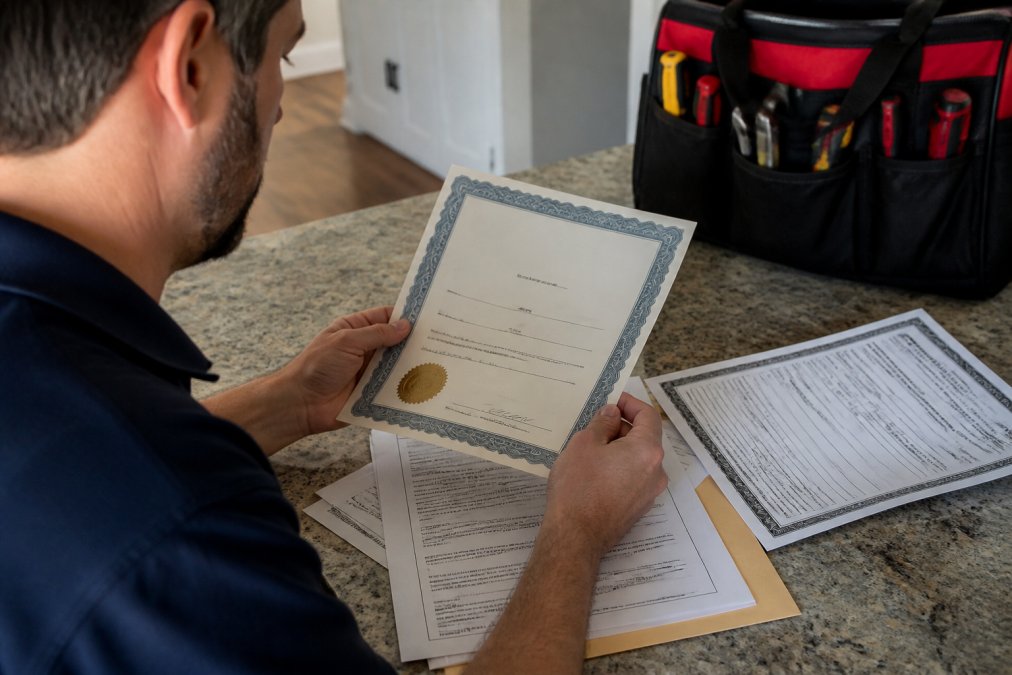
Before you grant access to your electrical system, verify that the electrician has the right to do the work.
Verify License Status
A valid electrical license means the electrician has passed exams, logged required apprenticeship hours, and demonstrated knowledge of the National Electrical Code (NEC) (nfpa.org). Start by checking your state's licensing board and searching the electrician's name and license number in the official database. This confirms they're currently licensed and in good standing.
Ask when their license was issued and if they've had any disciplinary actions. Many electricians work under a company license rather than holding their own. That's fine, but verify that the company is properly licensed and that the electrician working on your project is either licensed themselves or working under direct supervision of a licensed electrician.
Confirm Insurance and Bonding
Insurance protects you if something goes wrong. Verify general liability insurance and workers' compensation. General liability covers damage the electrician causes to your property or injuries to themselves on your site. Workers' compensation covers their medical bills if they're injured while working.
Ask for proof of both. A legitimate electrician will have these documents ready. Call the insurance company to verify the policy is active. Don't just accept a copy; confirm directly with the carrier.
Bonding is a financial guarantee that the electrician will complete the work as promised. Not all electricians carry bonds, but for larger projects, it's worth asking.
Questions to Ask an Electrician Before Hiring
The right questions reveal whether an electrician understands your project, has relevant experience, and communicates clearly.
Experience and Project Scope
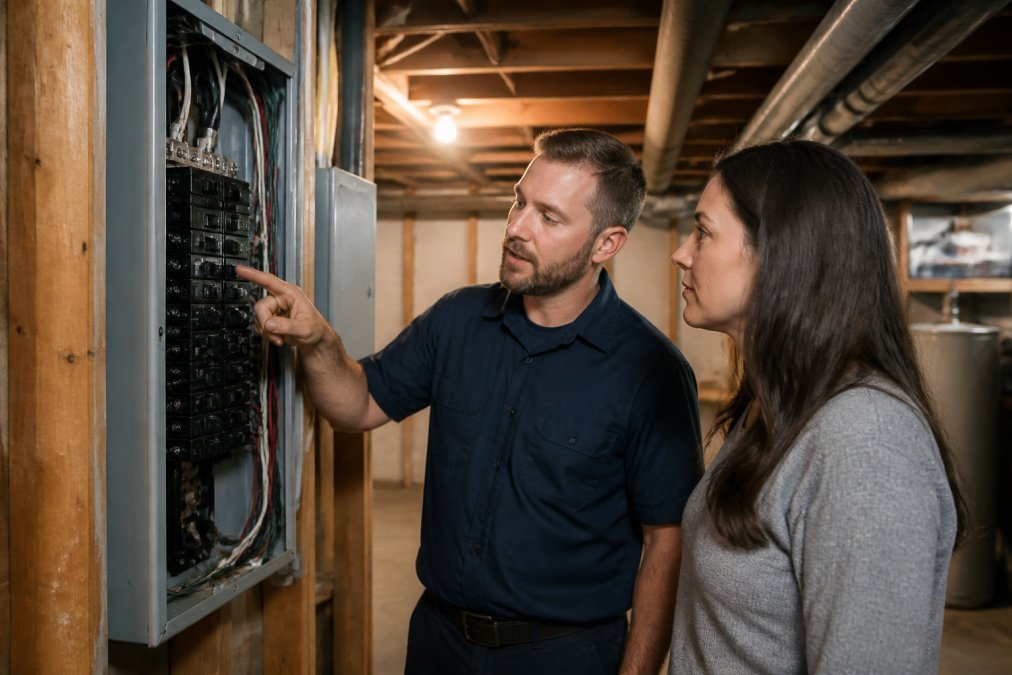
Start broad: "How long have you been doing electrical work?" Then get specific: "Have you done work like mine before?" If you need a panel upgrade, ask if they've upgraded panels in homes like yours.
Ask for references from customers who had similar work done in the last year. Ask about their crew: Will the same electrician who gave you the estimate be the one doing the work, or will they send someone else?
Warranty and Guarantees
Ask: "What's your warranty on labor?" A solid electrician typically guarantees their work for one year (peer-reviewed research). Get the warranty in writing. Ask what's covered: just labor, or parts too? Also ask about the manufacturer's warranty on any equipment they install.
Ask what happens if you find an issue six months later. Will they come back and diagnose it for free, or will they charge a service call?
Vetting Checklist for Homeowners
Before you sign a contract, run through this checklist:
- License verified: You've checked the state licensing board and confirmed the license is current and in good standing.
- Insurance confirmed: You've seen proof of general liability and workers' compensation, and you've called the carrier to verify.
- References checked: You've called at least two recent customers and asked about their experience, timeline, and whether the electrician charged what was quoted.
- Estimate in writing: The electrician provided a detailed estimate that breaks down labor, materials, and any permits, including a timeline.
- Scope clearly defined: You and the electrician agree on exactly what's included in the job.
- Warranty documented: The warranty terms are in writing, including what's covered, how long it lasts, and how to claim it.
- Permit plan clarified: You've discussed whether permits are needed, who pulls them, and whether the cost is included in the estimate.
- Communication style confirmed: The electrician has been responsive, answered clearly, and explained things in terms you understand.
- No pressure: They haven't pressured you to decide immediately or warned that prices are going up tomorrow.
- Licensing and background: You've verified they have no unresolved complaints or disciplinary actions on record.
Being likable isn't the same as being professional. Verify everything.
Understanding Cost of Electrical Repairs
Electrical work pricing varies widely. Understanding what drives the price helps you spot overcharges and undercuts.
Factors That Affect Pricing
Complexity of the work: Replacing a light switch is straightforward. Running new circuits through finished walls or upgrading a panel is complex and drives labor time and cost.
Materials and equipment: A basic outlet costs $2. A GFCI outlet costs $15. A smart outlet costs $40. Ask what materials your electrician is using.
Local code requirements: Some jurisdictions require more expensive installation methods or specific materials. An electrician in an area with strict codes will charge more than one in a jurisdiction with minimal requirements.
Travel time: If you're outside the electrician's service area, travel time is billable. Proximity affects cost.
Permit and inspection costs: If permits are required, there's a fee. Make sure you understand whether this is included in the estimate or charged separately.
Emergency or after-hours work: A 2 PM service call costs less than a 10 PM emergency repair. Nights, weekends, and holidays command premium rates.
Getting Accurate Estimates
Get at least two estimates, but understand that comparing them directly can be misleading. One estimate might be lower because they're using cheaper materials; another might be higher because it includes permits and a warranty.
When you request an estimate, provide specific details. "I need to run two new 20-amp circuits with outlets on the kitchen wall, and I need it to pass inspection" yields accurate estimates.
Ask the electrician to walk through the estimate line by line. What's included? What isn't? Are permits included or separate? Watch for estimates that seem too low, an electrician quoting half the market rate might be inexperienced or cutting corners.
Insist on a detailed written estimate before work begins. "I'll charge you by the hour" leaves you with no budget control.
Permitting and Local Code Compliance
Electrical work often requires permits. Permits exist because electrical code violations cause fires and injuries. An electrician who skips permits to save you money is creating liability for you.
Your local building department determines what requires a permit. Usually, new circuits, panel upgrades, and major rewiring need permits. Replacing a light fixture or outlet typically doesn't.
Permits cost money and add time, but they protect you. If something goes wrong later and you file an insurance claim, the insurance company will ask if the work was permitted and inspected. Unpermitted work can void your claim.
A reliable electrician knows the local code and pulls permits without being asked. If an electrician suggests skipping permits to save money, find someone else.
DIY vs. Professional: When to Call an Electrician
Some electrical work is DIY-friendly. Other work is dangerous and illegal if you're not licensed.
Safe DIY territory: Replacing a light bulb, swapping out a light fixture (if you turn off the breaker), or replacing an outlet cover plate.
Gray area: Replacing an outlet or light switch. Check your local code before you start.
Professional-only work: Anything involving the main panel, new circuits, hardwired appliances, or work that requires a permit. This is where licensing requirements kick in.
The danger is real. Electrical shocks can be fatal (the CDC). An improperly installed circuit can overheat and cause a fire. If you're uncertain whether you can do the work, call a professional.
Finding a reliable electrician comes down to verification and communication. Check credentials, confirm insurance, ask the right questions, and run them through the vetting checklist before you hire. Don't let price alone drive your decision; the cheapest option often costs more in the long run.
At Mister Volts, we deliver professional, code-compliant electrical services for residential, commercial, and industrial clients throughout Macon, Perry, Warner Robins, and surrounding Georgia communities. Whether it's a minor repair, a full service-panel or meter upgrade, or a complex building renovation, our licensed electricians provide dependable, high-quality solutions tailored to your project. Contact us for a detailed estimate on your project, and we'll walk you through every step of the process.
Frequently Asked Questions
How do I verify an electrician's license in my state?
Contact your state's licensing board or visit their website to search the electrician's name and license number. Most states maintain online databases where you can confirm active status, any disciplinary history, and specialization areas. Ask the electrician for their license number upfront, reputable professionals provide it without hesitation. Always verify before hiring.
What questions should I ask an electrician before hiring them?
Ask about their experience with your specific project type, whether they carry liability insurance and bonding, how they handle permits and code compliance, their warranty on work, and their typical timeline. Request references from similar projects and clarify their pricing structure, whether it's flat-rate, hourly, or project-based. Understanding their process prevents surprises and ensures they're the right fit.
What affects the cost of electrical repairs?
Repair costs depend on the complexity of the work, materials needed, whether permits are required, and local labor rates. A simple outlet replacement costs far less than a panel upgrade or rewiring project. Emergency or after-hours service typically carries additional fees. Request detailed estimates from multiple licensed electricians to compare pricing and understand what's included in each quote.
When is it unsafe to DIY electrical work?
Avoid DIY work on anything involving your main electrical panel, circuit breakers, or work requiring permits under the National Electrical Code (NEC). Improper wiring can cause fires, electrocution, or code violations that create liability. Simple tasks like replacing outlet covers or light fixtures may be safe, but when in doubt, hire a licensed electrician. Safety and code compliance always justify the professional cost.