 ultimate-guide
Why Flickering Lights in Commercial Buildings Happen
Table of Contents
- What Causes Flickering Lights in Commercial Buildings
- Signs of Faulty Electrical Wiring in Commercial Buildings
- Safety Risks and Fire Hazards
- Commercial Lighting Maintenance Checklist
- NEC Electrical Safety Standards for Commercial Lighting
- When to Call a Professional Electrician
- Preventative Maintenance and Energy Efficiency
- Frequently Asked Questions
Last Updated: September 3, 2026
What Causes Flickering Lights in Commercial Buildings
Flickering lights in commercial buildings are diagnostic signals pointing to problems within your electrical system. Understanding why they occur is the first step toward fixing them safely and preventing costlier damage.
Most flickering stems from one of seven core problems: overloaded circuits, failing ballasts or LED drivers, loose wiring connections, aging lamps, incompatible dimmer switches, utility-side power fluctuations, or smart lighting control system interference. Early intervention saves money and prevents safety hazards.
Overloaded Circuits and Electrical Demand
An overloaded circuit is one of the most common culprits behind flickering lights. When too many devices draw power simultaneously on a single circuit, voltage drops below the level needed to keep lights at full brightness.
Commercial buildings often consolidate lighting on shared circuits with HVAC systems, copiers, and heavy machinery. When a high-demand device kicks on, available voltage to the lights drops momentarily, causing flicker. In older facilities, original electrical load calculations may no longer match current usage.
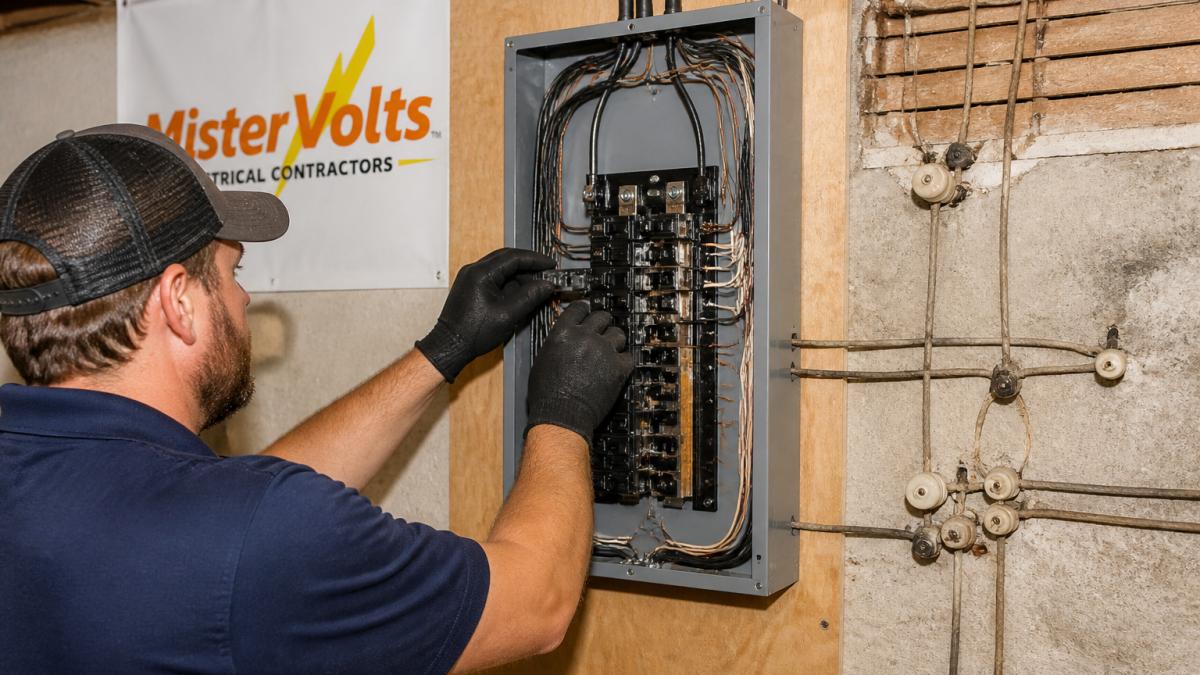
The fix depends on circuit capacity. If your electrical panel has available breaker slots, redistribute lighting to dedicated circuits. If capacity is maxed out, you may need a service upgrade to increase the amperage supplied to your building. This requires professional guidance, adding circuits without understanding your panel's total load capacity creates fire hazards.
Failing Ballasts and LED Drivers
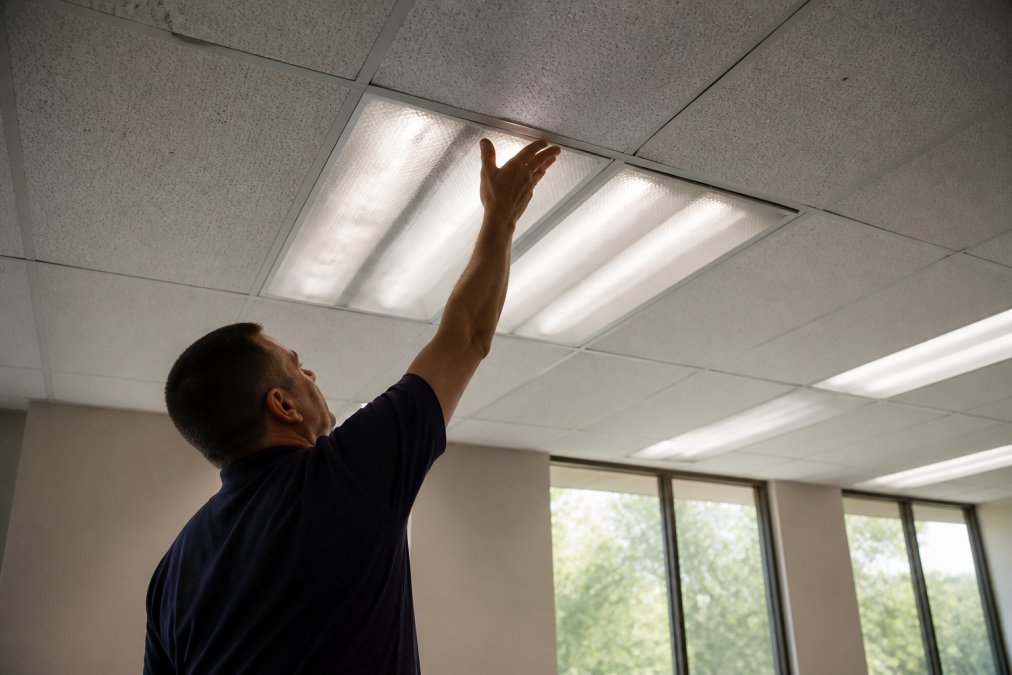
Traditional fluorescent fixtures use ballasts to regulate current flow; LED fixtures use drivers to convert incoming AC power to DC voltage. When either component fails, flickering is often the first sign.
A failing ballast typically shows worsening flicker over time, sometimes accompanied by humming or buzzing. A degraded ballast creates electrical stress on the fixture housing and wiring, increasing fire risk. LED drivers fail from thermal stress, power surge damage, or manufacturing defects, often causing rapid on-off cycling rather than gradual dimming.
Replacement is straightforward: swap the ballast or driver for a compatible unit. Visual inspection helps identify failure, look for darkened areas, burn marks, or visible cracks on the housing. If uncertain, a licensed electrician can test the component with a multimeter.
Loose Wiring and Poor Connections
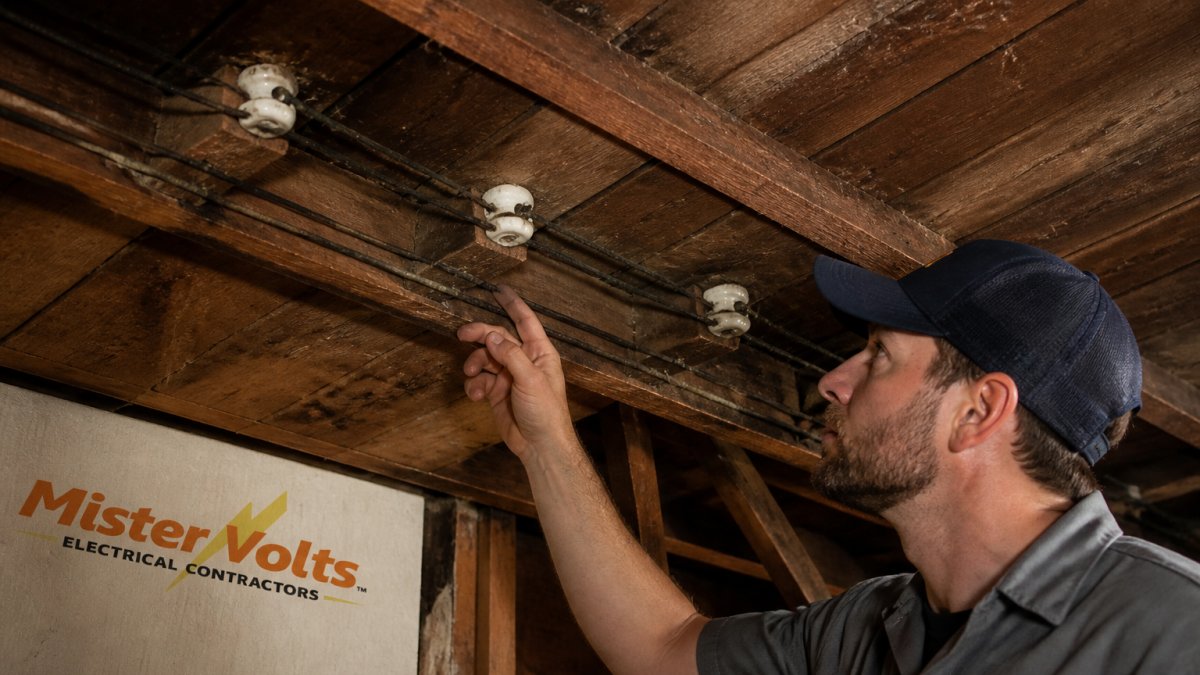
Loose connections are deceptively common in older commercial buildings where thermal cycling gradually loosens fasteners over years.
A loose connection at the lamp base, fixture housing, or circuit breaker creates intermittent contact. Electricity arcs across the gap, causing flicker and generating heat that discolors the connection point and creates a fire hazard.
Check visible connections first: lamp bases, fixture terminals, and accessible wiring in the fixture housing. Tighten corroded or discolored connections carefully with the appropriate tool. However, connections inside the electrical panel or within wall-mounted fixtures require professional service.
Aging Lamps and Fixture Degradation
Lamps have finite lifespans. As they age, cathodes inside fluorescent tubes degrade, making it harder for the ballast to strike an arc, manifesting as flickering especially when first switched on. LED lamps degrade more slowly but still experience thermal stress and manufacturing defects that shorten lifespan.
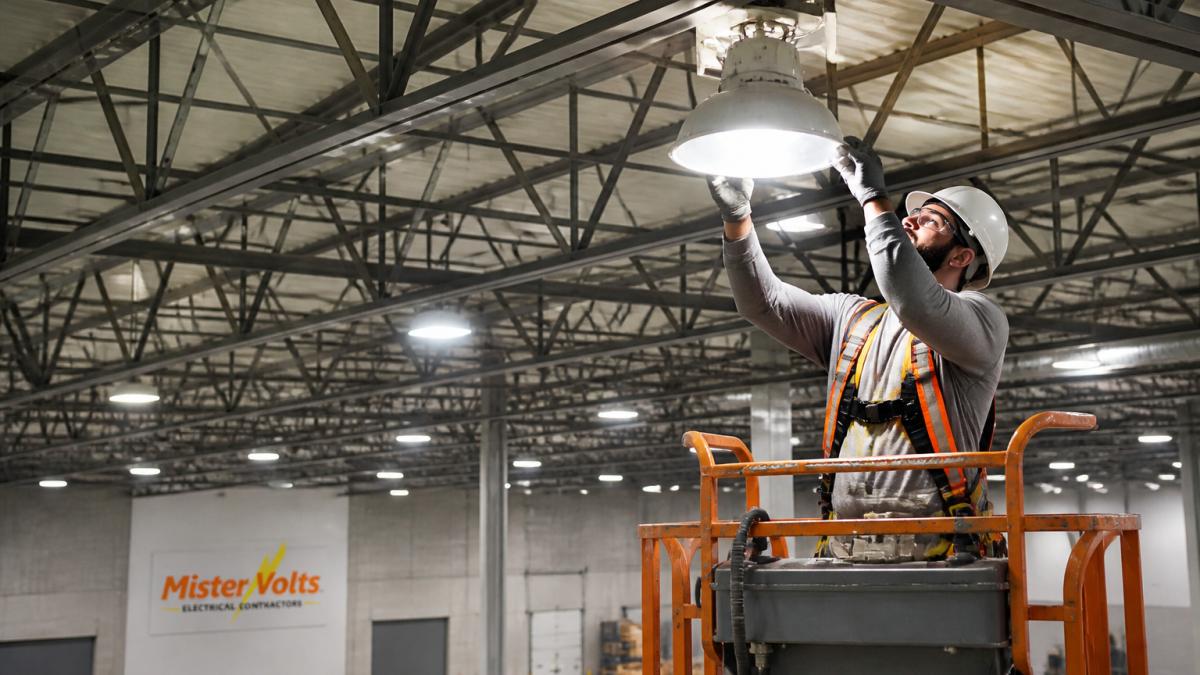
The solution is replacement on a preventative schedule. Most commercial facilities replace all lamps in a zone on a set cycle rather than waiting for failures, reducing downtime and improving safety.
Incompatible Dimmers and Switches
Not all dimmers are compatible with all lamp types. Older electromagnetic dimmers designed for incandescent loads often cause flickering when connected to fluorescent or LED fixtures because the dimmer's phase-cutting circuit doesn't match the load characteristics of the ballast or driver.
Smart lighting systems add complexity. Wireless dimming signals can interfere with the ballast or driver if the system isn't properly commissioned. Verify dimmer compatibility before installation, LED-compatible dimmers are labeled as such. If retrofitting an older dimmer circuit with LED fixtures, replace the dimmer. For smart lighting systems, work with the system integrator to eliminate interference sources.
Utility-Side Power Fluctuations
Not all flickering originates inside your building. Your utility company's power delivery system can introduce voltage fluctuations that ripple through your facility.
Utility-side voltage fluctuations occur when large loads connect or disconnect on the grid. Your building's lights flicker in response. While beyond your direct control, power conditioning equipment like voltage regulators or uninterruptible power supplies (UPS) can stabilize incoming voltage.
Contact your utility company if you suspect utility-side voltage issues. They can measure power quality at your service entrance and may offer solutions or credits.
Smart Lighting Control System Interference
Modern commercial buildings increasingly use networked lighting systems with occupancy sensors, daylight harvesting controls, and wireless dimming. When RF signals or harmonic distortion from these systems interferes with ballast or driver operation, flickering results.
Diagnosing smart lighting interference requires systematic troubleshooting. Disable the control system temporarily and observe whether flickering stops. If it does, the control system is the culprit. Work with the system integrator to identify the source of interference, often improper grounding, inadequate shielding on control wiring, or external RF interference.
Signs of Faulty Electrical Wiring in Commercial Buildings
Faulty wiring doesn't always announce itself loudly. Flickering lights are one warning sign, but others are subtler and equally important to catch early.
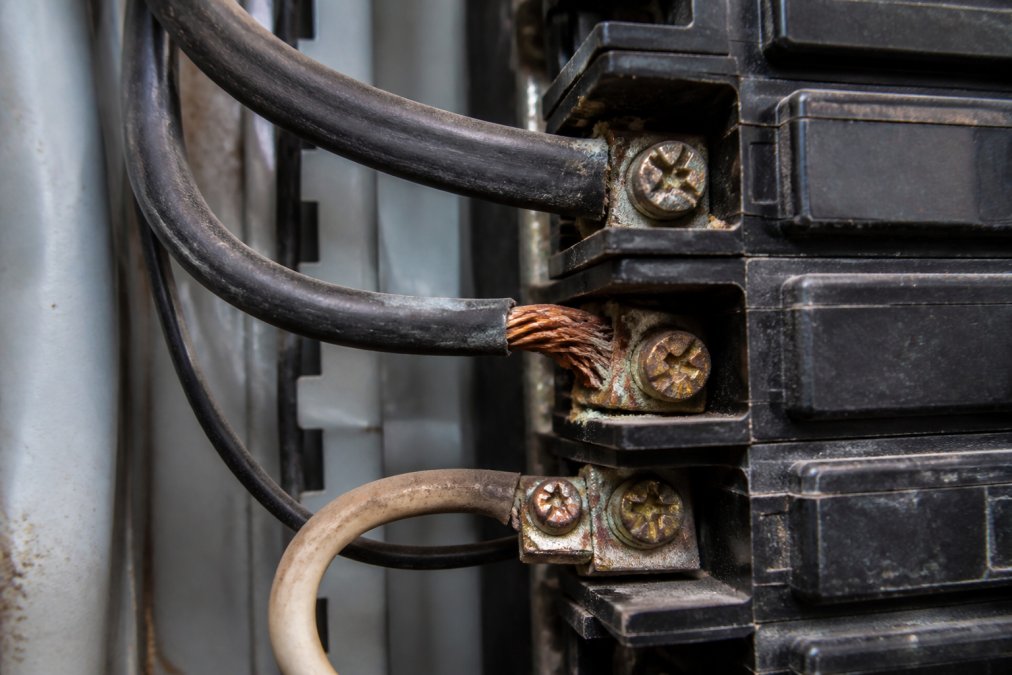
Look for these indicators that your wiring integrity is compromised:
- Discolored outlets or switches: Dark marks, scorch patterns, or burn marks indicate arcing or overheating, a fire hazard requiring immediate professional inspection.
- Burning smell near fixtures or panels: Insulation breakdown produces a distinctive burnt plastic or rubber odor. Isolate the area and call a licensed electrician immediately.
- Warm fixtures or outlets: Electrical components should be cool to the touch. Warmth indicates excessive resistance and heat generation, a precursor to failure or fire.
- Visible corrosion on connections: Green or white deposits on terminals signal corrosion, which increases resistance and causes voltage drop and flickering.
- Intermittent power loss in specific areas: If lights or equipment in one zone lose power intermittently, a loose connection or failing breaker is likely.
- Buzzing or humming sounds from fixtures or panels: Loud buzzing indicates loose connections or failing components creating vibration.
These signs point to wiring faults that demand professional diagnosis. The National Electrical Code (NEC) governs commercial wiring standards, and violations can result in failed inspections, insurance issues, or fire and electrocution hazards.
Safety Risks and Fire Hazards
Flickering lights might seem cosmetic, but the underlying causes often carry serious safety implications.
Loose connections generate heat through electrical resistance. Over time, this heat can ignite nearby insulation or structural materials. A connection that flickers today can become a fire source within weeks or months.
Failing ballasts and LED drivers also generate heat. A ballast on its way out works harder to maintain lamp operation, generating more heat than normal. If ventilation is blocked by dust or insulation, temperature climbs rapidly.
Stroboscopic effects from rapid LED cycling create health hazards. Employees exposed to flickering at certain frequencies may experience headaches, eye strain, nausea, or dizziness. In precision or safety-critical facilities, stroboscopic flicker can cause accidents.
Voltage fluctuations stress electrical components across your facility. Computers, servers, and sensitive equipment are vulnerable to damage from unstable power. Repeated smaller fluctuations degrade components faster than normal operation.
From a compliance perspective, commercial buildings are subject to electrical safety inspections. Faulty wiring or code violations can result in failed inspections, forcing shutdowns until corrections are made. Insurance companies may deny claims if electrical systems weren't maintained to code.
Commercial Lighting Maintenance Checklist
Preventative maintenance catches problems before they become emergencies. A structured maintenance program reduces flickering, extends fixture lifespan, and keeps your facility compliant with electrical safety standards.
| Maintenance Task | Frequency | Purpose |
|---|---|---|
| Visual inspection of fixtures and connections | Monthly | Catch discoloration, corrosion, loose components |
| Lamp replacement | Per manufacturer schedule (typically 2-5 years) | Prevent end-of-life flickering |
| Ballast/driver testing with multimeter | Annually | Identify failing components before failure |
| Electrical panel inspection | Annually | Check for loose breakers, corrosion, heat damage |
| Voltage and power quality measurement | Annually or if flickering occurs | Confirm utility-side stability |
| Dimmer compatibility audit | Upon retrofit or new installation | Prevent incompatibility-related flicker |
| Smart lighting system commissioning check | Upon installation, then every 2 years | Verify RF/PLC settings, eliminate interference |
| Facility-wide wiring inspection | Every 5 years or per code requirement | Identify corrosion, loose connections, insulation damage |
Monthly visual inspections are your first line of defense. Train facility staff to recognize warning signs: discolored fixtures, warm outlets, burning smells. Document findings and escalate issues to your maintenance team or a licensed electrician.
Annual testing of ballasts, drivers, and connections requires professional equipment and expertise. A licensed electrician can measure voltage drop across connections, test ballast output, and confirm driver operation.
Lamp replacement on a schedule, rather than waiting for failure, is cost-effective. Scheduled replacement during planned maintenance windows minimizes disruption.
Voltage and power quality measurement is essential if you experience unexplained flickering. A licensed electrician with a power quality analyzer can measure voltage stability, harmonic distortion, and frequency stability at your service entrance.
NEC Electrical Safety Standards for Commercial Lighting
The National Electrical Code (NEC) sets minimum standards for electrical installations in commercial buildings. For commercial lighting specifically, the NEC requires:
- Proper circuit sizing: Lighting circuits must be sized to carry the expected load without exceeding 80% of breaker capacity under normal operation (nfpa.org).
- Adequate grounding and bonding: All metal components, fixture housings, conduit, and equipment frames must be properly grounded to prevent shock hazards.
- Appropriate wiring methods: Wiring must be protected from physical damage through conduit or armored cable in walls, and rated for the environment in ceilings.
- Overcurrent protection: Circuit breakers must be sized to protect the wire gauge used.
- Fixture and ballast ratings: All components must be rated for the voltage and frequency supplied.
- Dimmer compatibility: Dimmers must be rated for the load type and must not exceed the dimmer's maximum load rating.
Code compliance is verified through electrical inspections. Non-compliance can result in fines, forced shutdowns, or insurance claim denials. Mister Volts ensures every installation meets or exceeds NEC requirements.
When to Call a Professional Electrician
Flickering lights might seem like something to troubleshoot yourself, but commercial electrical systems are complex and dangerous.
Call a licensed electrician immediately if you observe:
- Burning smell or visible scorch marks: These indicate active electrical faults creating fire risk.
- Frequent tripping of circuit breakers: Repeated trips indicate overcurrent or a short circuit.
- Flickering accompanied by buzzing or humming: This combination suggests loose connections or failing components.
- Flickering in multiple zones or the entire facility: This suggests utility-side problems or facility-wide wiring faults.
- Warm or hot fixtures or outlets: Excessive heat indicates resistance and imminent failure.
- Flickering that persists after lamp replacement: The issue is ballast, driver, wiring, or load-related.
For routine maintenance and planned upgrades, schedule service during normal business hours. Mister Volts offers flexible scheduling to minimize facility disruption. For emergencies, call immediately.
Preventative Maintenance and Energy Efficiency
Preventative maintenance is also an opportunity to improve energy efficiency and reduce operating costs.
LED retrofits are the most impactful upgrade. LED fixtures consume 50-75% less energy than fluorescent equivalents while lasting 3-5 times longer (energy.gov). The payback period is typically 2-4 years.
Occupancy sensors automatically turn off lights when spaces are unoccupied, reducing lighting energy use by 20-40% in facilities with variable occupancy (the EPA). Daylight harvesting uses sensors to dim or turn off lights when natural daylight is sufficient, reducing energy use by 30-50% in perimeter zones.
Power factor correction equipment improves the efficiency of your electrical distribution system, reducing energy bills by 5-15%. Regular maintenance of existing fixtures also improves efficiency, cleaning fixtures quarterly maintains light output and reduces energy consumption.
Energy efficiency improvements often qualify for utility rebates or tax incentives. Mister Volts can help identify eligible upgrades and navigate rebate programs.
Flickering lights in commercial buildings demand attention, but most causes are preventable or easily corrected with proper maintenance. Whether the issue is an overloaded circuit, a failing ballast, loose wiring, or utility-side instability, the solution starts with professional diagnosis.
Mister Volts has helped commercial facility managers across Georgia identify and eliminate lighting problems through systematic maintenance programs and strategic upgrades. Contact us for a professional assessment, we'll pinpoint the cause and recommend the most practical solution for your building's specific needs.
Frequently Asked Questions
Q: What is the most common cause of flickering lights in commercial buildings?
A: Overloaded circuits rank as the leading cause. When too many high-draw devices operate simultaneously on one circuit, the electrical system struggles to maintain steady voltage. This is especially common in older commercial buildings where lighting circuits share loads with HVAC, refrigeration, or machinery. A licensed electrician can assess your electrical panel and redistribute loads across available circuits to stabilize power delivery.
Q: Are flickering lights in a commercial space a fire hazard?
A: Yes. Flickering often indicates loose wiring, failing ballasts, or voltage fluctuations, all of which generate heat at connection points. Sustained heat can degrade insulation and ignite surrounding materials. The National Electrical Code (NEC) mandates regular inspection of commercial electrical systems for this reason. If flickering persists, contact a licensed electrician immediately to identify and eliminate the fire risk.
Q: How do I know if my commercial building has faulty electrical wiring?
A: Signs of faulty electrical wiring in commercial buildings include flickering or dimming lights, buzzing sounds from fixtures or the electrical panel, warm outlets or switch plates, burning smells near electrical equipment, and frequent circuit breaker trips. You may also notice lights that flicker only during peak operating hours or when specific equipment runs. These symptoms signal voltage drop, loose connections, or insufficient capacity, all require professional evaluation.
Q: When should I call a licensed electrician about flickering lights?
A: Call immediately if flickering is widespread across multiple rooms, accompanied by burning smells, or if it occurs in conjunction with circuit breaker trips. Even isolated flickering in one fixture warrants professional inspection if it persists beyond a single lamp replacement. A licensed electrician can diagnose whether the issue is a simple ballast failure or a deeper electrical fault in your service conductor or facility wiring.