 How-to
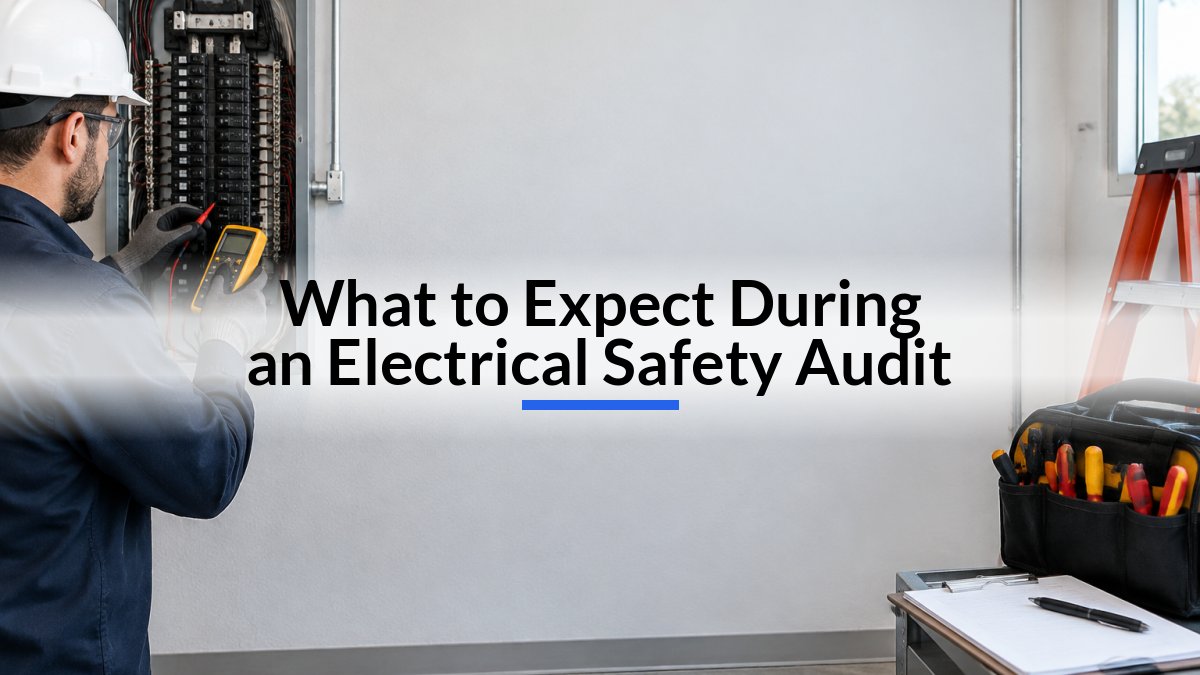
What to Expect During an Electrical Safety Audit
Last Updated: November 11, 2026
Quick Summary
An electrical safety audit is a structured review of a property's wiring, panels, and electrical components to find hazards before they cause fires, shocks, or equipment failure. The walkthrough covers the service entrance, main panel, grounding, circuit protection, and outlets and switches. You then receive a report that sorts findings by risk.
- Preparation includes keeping at least three feet of open space in front of the main panel.
- Tell the auditor at intake if equipment cannot lose power, since some tests need a brief shutdown.
- Reports sort findings into immediate hazards, corrective actions, monitor items, and efficiency notes.
- Immediate hazards should be addressed before the space is used normally, often within a few days.
- Never open a panel yourself before or after the visit, because panels can hold lethal voltage.
Table of Contents
- What an Electrical Safety Audit Covers and Why It Matters
- How to Prepare Your Property and What Access the Auditor Needs
- The On-Site Walkthrough From Arrival to Final Inspection
- Electrical Safety Audit Checklist: What Gets Inspected
- How Long an Electrical Safety Audit Takes and What Affects Duration
- Reading the Electrical Safety Inspection Report and Prioritizing Findings
- Scheduling Your Audit and Following Up on Defects With Mister Volts
- Frequently Asked Questions
What an Electrical Safety Audit Covers and Why It Matters
An electrical safety audit is a structured review of a property's wiring, panels, and electrical components to find hazards before they cause fires, shocks, or equipment failure.
Most people only think about their wiring when something goes wrong. A breaker trips, an outlet sparks, or a light flickers. An audit looks for these problems before they show up.
A safety audit differs from a home inspection. A home inspection looks at the whole property for a sale, and it often checks electrical items only at a high level.
Audits matter most in older homes, homes with recent renovations, and commercial buildings with heavy equipment.
How to Prepare Your Property and What Access the Auditor Needs
Good preparation saves time and helps the auditor do a thorough job. For a fuller walkthrough of getting your home ready, see How to Prepare for an Electrical Safety Inspection. Before the visit, take these steps:
- Clear the panel area. Keep at least three feet of open space in front of the main panel and any subpanels.
- Gather records. Bring any past inspection reports, permits, and notes about past electrical repairs.
- List known problems. Write down flickering lights, warm outlets, buzzing sounds, or breakers that trip often.
- Plan access. Make sure the auditor can reach attics, crawlspaces, garages, and the electrical room.
- Arrange for pets. Keep animals secured so the auditor can work safely.
Ask the auditor in advance whether any testing will cut power. Some tests need a brief shutdown. If your business runs equipment that cannot stop, plan the audit for a slower period.
The On-Site Walkthrough From Arrival to Final Inspection
A typical audit follows a predictable sequence, and knowing the order helps you plan staffing, access, and downtime.
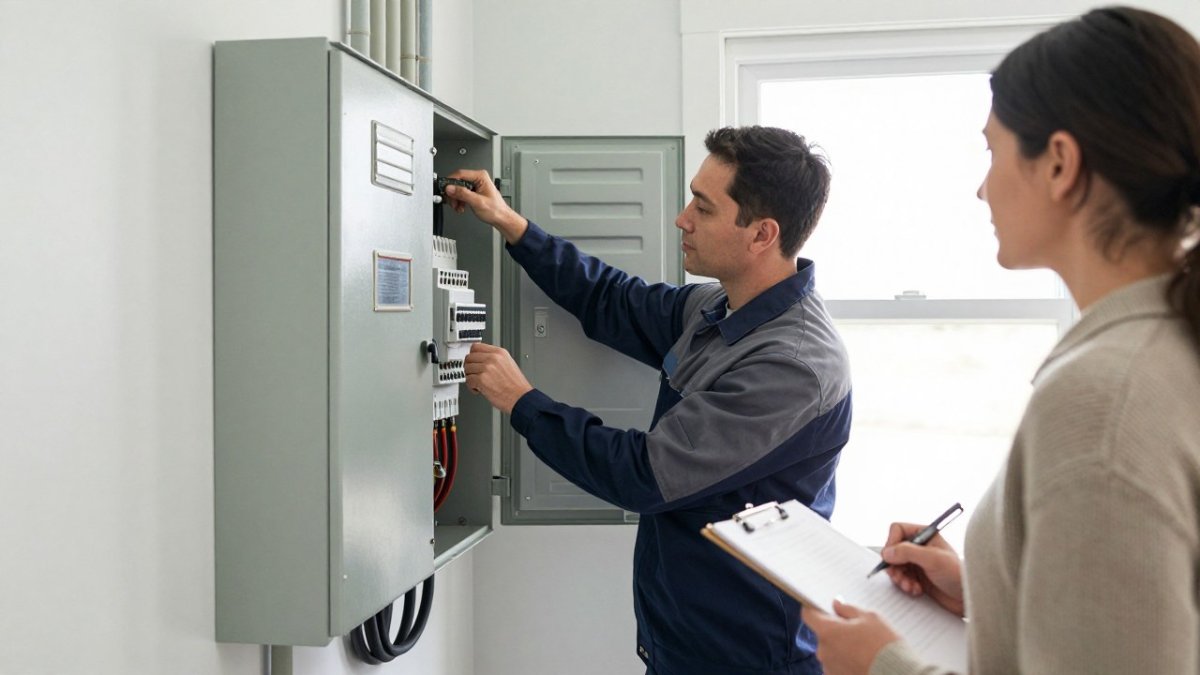
- Arrival and intake (15-30 minutes). The auditor confirms the scope, reviews your list of known problems, and asks about past repairs, permits, and any equipment that must stay energized. This is the moment to flag a server room, refrigeration circuit, or medical equipment that cannot be shut off.
- Exterior and service entrance. The auditor inspects the meter, service drop or lateral, weatherhead, and the condition of the service cable. Corrosion, cracked insulation, and loose connections are noted here.
- Main panel and subpanels. Panel covers come off and the auditor checks breaker types, wire sizing, torque on lugs, labeling, and signs of heat. This is where double-tapped breakers and undersized conductors usually surface.
- Grounding and bonding. The grounding electrode conductor, water and gas bonding, and equipment grounding paths are traced and checked for continuity.
- Interior circuits. Outlets, switches, dimmers, and fixtures are tested for polarity, grounding, and heat damage. The auditor may use a circuit analyzer or a plug-in tester, and may sample rather than test every device on large properties.
- Specialty items. GFCI and AFCI protection, smoke and carbon monoxide detectors, large appliance circuits, EV chargers, and motor controls are reviewed.
- Load and functional testing. Where the scope calls for it, the auditor measures load on major circuits or verifies that protective devices trip as designed. This is the step most likely to require a brief shutdown.
- Final review. The auditor walks you through findings on site, answers questions, and explains what will appear in the written report.
What Testing May Interrupt Operations
Not every audit requires a shutdown, but some tests do. A common pattern is a brief interruption to verify that a main breaker or GFCI device trips correctly, or to isolate a circuit for resistance testing. If your business cannot lose power during operating hours, tell the auditor at intake so the shutdown can be scheduled for a slower period or after close.
Watch out: never open a panel yourself to "take a look" before or after the visit. Panels can hold lethal voltage even when the main is off, and a loose cover or disturbed conductor can turn a routine inspection into an emergency.
Service Entrance, Main Panel, and Grounding
The service entrance brings power into your property. The auditor looks for corrosion, damaged cable insulation, and loose connections. The main panel is the most important place to check. Scorched marks, rust, or double-tapped breakers are warning signs. Grounding is checked because a faulty ground can leave you exposed to shock during a fault. If the audit reveals a panel that needs replacing or upgrading, Mister Volts offers service panels work, and the team can walk you through your options.
Wiring, Outlets, Switches, and Overload Protection
Inside the home or building, the auditor checks wire condition and circuit protection. Look for cracked or brittle insulation on older wiring, outlets that feel warm or show discoloration, reversed polarity or missing ground pins, breakers that are undersized or oversized for the wire, and dimmers or switches rated for the wrong load. Overload protection is a key focus: a breaker that is too large lets wire overheat before it trips, which is a common fire cause. Faulty or mismatched circuit breakers are a common finding during audits.
Electrical Safety Audit Checklist: What Gets Inspected
Use this list to see what a typical electrical safety audit covers:
- Service entrance cable and meter condition
- Main panel labeling, condition, and clearances
- Breaker sizes matched to wire gauge
- Grounding electrode and bonding connections
- GFCI protection in kitchens, bathrooms, garages, and outdoors
- AFCI protection where required in living areas
- Outlets for polarity, grounding, and heat damage
- Switches and dimmers for wear and rating
- Extension cord misuse and temporary wiring
- Smoke and carbon monoxide detector placement
- Equipment circuits, including large appliances and EV chargers
How Long an Electrical Safety Audit Takes and What Affects Duration
Duration depends on property size, age, and complexity. A small condo may take a few hours. A larger home with multiple panels can take most of a day. Commercial buildings often need more time, especially when equipment must be checked or tested under load.
Several factors change the timeline:
- Number of panels and circuits
- Accessibility of attics, crawlspaces, and rooftop equipment
- Age and condition of the wiring
- Testing requirements, such as shutdowns or load measurements
- Documentation needs, such as photos or a formal written report
Exact timing and cost depend on your property, so contact Mister Volts for a scope that fits your building.
Reading the Electrical Safety Inspection Report and Prioritizing Findings
After the audit, you receive a report. A good report sorts findings by risk, and the sorting is usually based on two questions: how likely is the condition to cause harm, and how soon. Most practitioners use a tiered framework like the one below, though the labels vary by firm.
- Immediate hazards. Conditions that can cause shock, fire, or injury now, exposed live conductors, an overheated panel, a missing ground on a circuit feeding metal equipment, or a breaker that will not trip. These should be addressed before the space is used normally, often the same day or within a few days.
- Corrective actions. Repairs or upgrades that should be scheduled soon, typically within weeks to a few months. Examples include replacing outdated receptacles, correcting reversed polarity, upgrading undersized conductors, or adding GFCI protection where it is missing.
- Monitor items. Minor issues or aging components to watch over time, such as a panel nearing the end of its service life or a lightly worn device. These go on a maintenance list and are rechecked at the next audit.
- Efficiency notes. Some reports flag energy waste or inefficient setups. These are secondary to safety and should not crowd out the hazard items.
A useful report also tells you what was tested, what was not, and why. If a panel could not be opened because of stored items or a locked room, that limitation should be stated so you know the finding is incomplete rather than clean.
What Happens After Defects Are Found
The report is the start of the work, not the end. A practical follow-up sequence looks like this:
- Review and clarify. Ask the auditor to explain any finding you do not understand, and confirm which items are immediate versus scheduled.
- Get a written scope. Request a repair scope that lists each defect, the proposed correction, and the order of work. This is also the point to ask whether permits are required for panel or circuit changes.
- Schedule repairs by priority. Immediate hazards first, then corrective actions, then monitor items. Bundling repairs in one visit often reduces disruption, but never delay an immediate hazard to bundle it.
- Retest and document. After repairs, ask for verification that the corrected items now pass, and keep photos, invoices, and the updated report. These records help with future audits, insurance questions, and resale.
- Re-audit on a schedule. A common pattern is a full audit every few years for homes and more often for commercial properties with heavy equipment or frequent changes.
If findings point to a failing panel, our guide on when to replace an electrical panel explains the warning signs that call for prompt action. For a broader look at how repairs fit together, see our home electrical services. Properties with EV charging needs should also review whether EV charging stations fit into the upgrade plan, since added load can change the priorities in the report.
Scheduling Your Audit and Following Up on Defects With Mister Volts
Once the audit is complete, the next step is fixing what was found. You can explore our home electrical services to see what we handle, or start with a conversation to discuss your property.
To schedule, call or visit our contact page and describe your property and concerns. Ask for a written scope and follow the report's priority order.
Our team is ready to help you move from audit findings to a safer property. Contact Mister Volts to get started today.
Mister Volts is a licensed electrical contractor serving Macon, Perry, Warner Robins, and surrounding Georgia communities. Whether your audit points to a small repair or a larger upgrade, Mister Volts can handle the work with professional, code-compliant service.
Frequently Asked Questions
What does an electrical safety audit involve?
An electrical safety audit is a systematic review of a property's electrical system to identify hazards, wiring defects, overload risks, and code-compliance gaps. The auditor checks the service entrance, main panel, grounding and bonding, circuit protection, outlets, switches, and visible wiring condition, then documents findings in a written report with recommended corrective actions. It is a condition assessment, so it does not replace repairs and it is not the same as a home sale inspection.
How long does an electrical safety audit take?
Duration depends on the size of the property, the number of circuits, accessibility of panels and equipment, and whether testing requires shutdowns. A small home often takes a few hours, while a larger commercial facility can take a full day or more. Preparation that clears access to the panel and equipment usually shortens the visit, and the report is typically delivered after the on-site work is complete.
What should I do to prepare for an electrical safety audit?
Clear access to the main panel, sub-panels, and any equipment rooms. Make a list of known problems, such as breakers that trip, flickering lights, or warm outlets, and note any recent electrical work. If the audit may interrupt operations, arrange a schedule for planned shutdowns in advance. Have any prior inspection reports or permits available, since they help the auditor understand the system's history.
What happens if an electrical safety audit finds a hazard?
Findings are typically ranked by severity and risk. Immediate hazards, such as exposed live conductors, overheated connections, or damaged service equipment, should be addressed right away, and in some cases the auditor may recommend de-energizing a circuit until a licensed electrician makes repairs. Lower-priority items, such as aging but functional components, can be scheduled as planned upgrades. The report lists each finding with a recommended corrective action so you can plan the work.