 Listicle
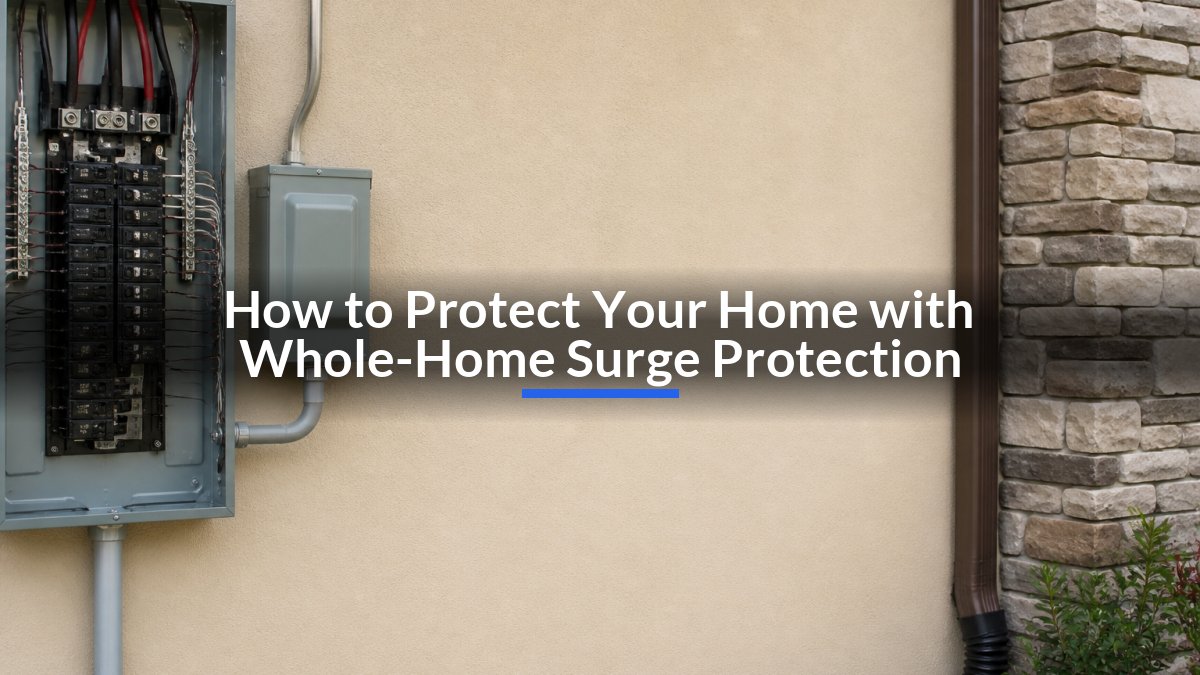
How to Protect Your Home with Whole-Home Surge Protection
Last Updated: October 27, 2026
Quick Summary
Whole-home surge protection blocks excess voltage at the main service panel before it reaches every circuit, keeping medical and assistive equipment, hardwired appliances, and electronics safer from spikes. One device covers the whole house, though it is not backup power and cannot keep an oxygen concentrator running during an outage.
- A whole-home surge protector redirects sudden voltage spikes to ground before they travel through your wiring.
- UL 1449 is the safety standard governing surge protective devices in the United States.
- Surge protection is not backup power and will not keep medical equipment running during an outage.
- Layered protection pairs panel-level defense for big equipment with point-of-use strips for sensitive electronics.
- Each surge uses up device capacity, so treat replacement as a maintenance item, not a failure.
Table of Contents
- What Whole-Home Surge Protection Means for Older Homeowners
- How Whole-Home Surge Protectors Work at the Panel
- Numbered Benefits of Whole-Home Surge Protection for Seniors
- Whole-Home Surge Protector vs. Power Strip: What Each One Does
- Whole-Home Surge Protector Lifespan and Replacement Signals
- Why an Electrical Safety Inspection for Seniors Comes First
- Scheduling Your Surge Protection Assessment with Mister Volts
- Frequently Asked Questions
What Whole-Home Surge Protection Means for Older Homeowners
Whole-home surge protection is a single device installed at the main service panel that blocks excess voltage from reaching every circuit in the house. For older homeowners, that matters more than it does for most people. The devices that keep a household running safely, from oxygen concentrators to stair lifts to the refrigerator holding a week of meals, all depend on steady power.
At Mister Volts, we hear the same concern from seniors and their families: one bad surge could take out the equipment they rely on. That concern is reasonable.
Below, we break down what these devices actually do, what they cannot do, and how to decide whether one belongs in your home. The honest answer includes real limits, and we will not pretend otherwise.
How Whole-Home Surge Protectors Work at the Panel
A whole-home surge protector redirects sudden voltage spikes to ground before they travel through your wiring.
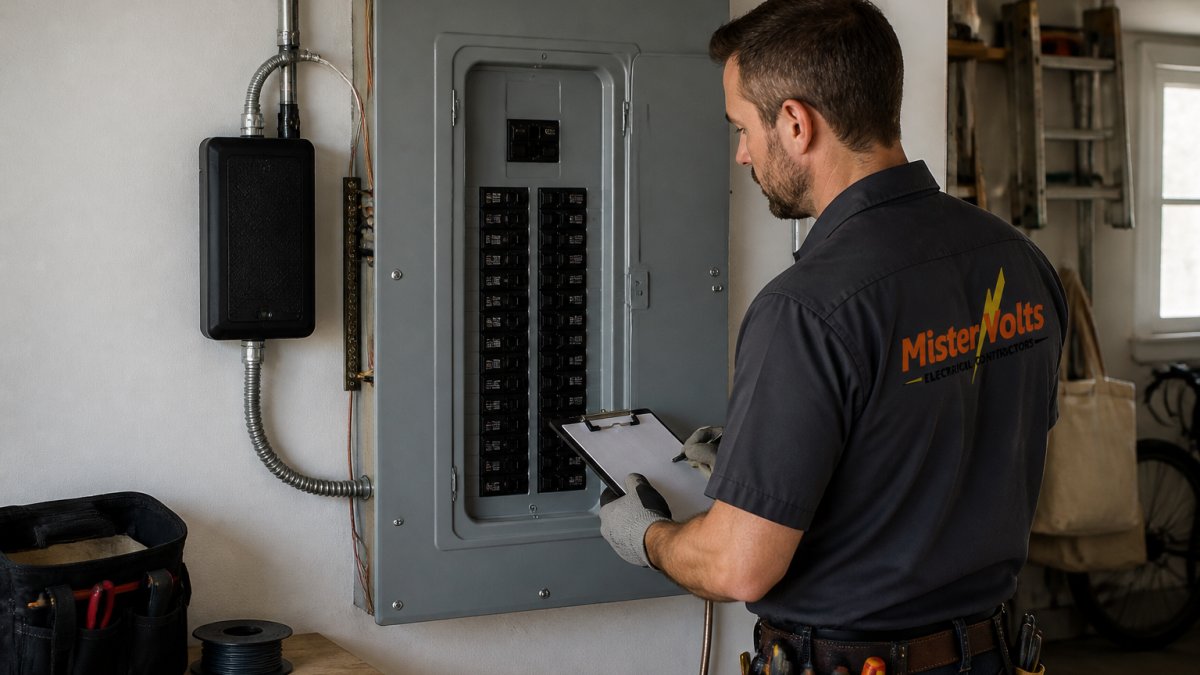
The National Electrical Code requirements for surge protective devices address these installations directly, which is one reason a licensed electrician should handle the work rather than a homeowner.
Type 1 vs. Type 2 Devices and What UL 1449 Covers
UL 1449 is the safety standard that governs surge protective devices in the United States. It sets the testing requirements a device must pass before it can be sold.
Numbered Benefits of Whole-Home Surge Protection for Seniors
The benefits of whole-home surge protection for seniors come down to three things: equipment stays running, one device covers the whole house, and repair bills shrink over time. Here is each one, with the trade-offs included and the senior-specific details that matter most.
1. Medical and Assistive Equipment Stays Online
Pro: Con:
For a broader set of room-by-room precautions, see our electrical safety tips for seniors.
2. One Device Covers Every Outlet and Appliance
Pro: Con: the upfront cost is higher than a power strip, and installation requires panel work.
3. Lower Repair and Replacement Bills Over Time
Pro: Con: savings are hard to measure in advance, and Schneider Electric notes higher cost as a drawback of whole-house units compared with point-of-use protection.
A Caregiver and Household Planning Checklist
- List every powered device the household relies on, including medical equipment, mobility chargers, and hardwired appliances.
- Note which devices have battery backup and which do not.
- Check whether the main service panel has open breaker slots and a visible grounding path.
- Look for warning signs: warm outlet covers, flickering lights, tripped breakers, or a panel that hums.
- Confirm who will be home during installation and how the panel can be accessed.
- Ask the electrician whether a panel upgrade is needed before a protector is added.
- Decide which sensitive electronics will also get point-of-use protection.
Accessibility and Installation Logistics
Installation is usually a single visit, but seniors and caregivers should plan for it. Ask the electrician in advance about scheduling windows, how long the power will be off, whether the panel is reachable without moving furniture, and whether any panel work will extend the visit. A short planned outage is normal; an unplanned one is not. Clear a path to the panel, move fragile items away from the work area, and have a plan for any medical equipment that cannot lose power during the visit.
Whole-Home Surge Protector vs. Power Strip: What Each One Does
| Feature | Whole-Home Protector | Plug-In Power Strip |
|---|---|---|
| Coverage | Every circuit in the house | One outlet location |
| Protects hardwired appliances | Yes | No |
| Installation | Licensed electrician at the panel | None |
| Best for | HVAC, medical equipment, major appliances | Computers, TVs, small electronics |
| Maintenance | Status indicator check | Replace after a major surge |
Layered protection is the practical answer: panel-level defense for the big equipment, point-of-use strips for sensitive electronics. Our breakdown of whether a whole house surge protector is worth it covers the cost comparison in more detail.
Whole-Home Surge Protector Lifespan and Replacement Signals
Most whole-home surge protectors last several years, but their life depends on how many surges they absorb. Each event uses up some of the device's capacity. That is why the device is best treated as a maintenance item rather than a one-time purchase.
What the Status Indicators Tell You
- The status indicator light turns off or changes color
- The unit shows a fault code or an end-of-life alert
- The home has taken a direct or nearby lightning strike
- The device is well past its rated service life
- The unit has absorbed multiple large events in a short period
Industry reviews note that whole-home protectors reduce lightning damage but cannot guarantee protection from a direct strike, so a strike nearby is a good reason to have the unit checked. Replacement is a maintenance item, not a failure.
Inspection Frequency and Realistic Limits
Set realistic expectations about what a panel-mounted device can do. It reduces risk across the whole system, but it may not stop every surge, and sensitive electronics can still benefit from point-of-use protection. Layered protection, panel-level defense plus quality plug-in strips for computers, televisions, and medical devices, is the more reliable approach. A protector with a weak grounding path also cannot divert a surge properly, which is why the panel and grounding should be verified before installation and at each inspection.
Why an Electrical Safety Inspection for Seniors Comes First
Schedule the inspection first, then decide on protection. If you want to work through the rest of the house while you wait, our electrical safety checklist for aging in place covers the room-by-room basics. You can also read more about what an annual electrical safety inspection includes.
Scheduling Your Surge Protection Assessment with Mister Volts
We handle service-panel upgrades, circuit breakers, and electrical meter work. Start with a conversation to discuss your electrical service, upgrades, maintenance, or construction work in Middle Georgia.
We provide competitive quotes and NEC-compliant work.
Frequently Asked Questions
What are the benefits of whole-home surge protection for seniors?
Whole-home surge protection shields every outlet and hardwired appliance in the house from voltage spikes, which matters most for older homeowners who depend on powered medical equipment, refrigerators, and HVAC systems. A single panel-mounted device replaces the need to remember plug-in protectors in each room. It also reduces repair and replacement costs over time and lowers fire risk tied to damaged wiring. Installation by a licensed electrician typically runs between $280 and $800 for a Type 2 unit, according to 2026 industry cost guides.
Can a whole-home surge protector protect medical equipment?
It reduces the surge current reaching medical devices plugged into home outlets, which lowers the chance of damage from utility grid switching or nearby lightning. It is not a backup power source, so equipment that must stay on during an outage still needs a battery backup or generator. Pair the surge protector with point-of-use protection on critical devices and confirm with the equipment supplier that the setup meets the manufacturer's requirements.
Do seniors still need plug-in surge protectors with whole-home protection?
Yes, layered protection works best. A whole-home surge protective device at the main service panel handles large transient voltage events, but it lets a small residual spike through. Plug-in surge protectors at the point of use absorb that remainder and add extra defense for computers, televisions, and medical devices. Replace plug-in units every few years or when their status indicator shows the protection has been used up.
Can a whole-home surge protector prevent damage from a direct lightning strike?
No device can guarantee protection from a direct lightning strike to the home. Industry reviews for 2026 note that whole-home surge protectors reduce damage from lightning-induced surges on the utility grid but cannot stop the full energy of a direct hit. That is why layered protection, proper grounding, and a professional assessment of the grounding system matter. Ask your electrician to check the grounding electrode conductor during installation.
One surge is all it takes to knock out the equipment an older homeowner depends on. Mister Volts can assess your panel, confirm your grounding is sound, and install the right whole-home surge protector for your home. Our licensed electricians handle service panel work, circuit breakers, and electrical maintenance with clear quotes and code-compliant installation. Get started with Mister Volts and protect the equipment your household relies on.